Europe’s Role in the Ukraine Conflict: A Path to Peace or Destruction?

George Beebe, a former CIA Russia analyst and current Director of Grand Strategy at the Quincy Institute, recently discussed the complex dynamics surrounding the Ukraine war and the potential for a peace settlement. He highlighted that while efforts are being made to find a resolution, significant resistance exists from various parties who benefit from the ongoing conflict.
Key Takeaways
- A peace deal is possible, with terms emerging that could satisfy both Ukrainian security needs and Russian security interests.
- Resistance to a peace deal comes from factions within Russia, Washington, and Europe who do not want the war to end.
- Europe is currently the most reluctant party to a compromise, fearing a pivot by the US away from European security.
- If a diplomatic settlement fails, Ukraine faces a bleak future, potentially becoming a dysfunctional state unable to rebuild or attract refugees.
- The core issue lies in the conflicting principles of state sovereignty in choosing alliances versus the indivisibility of security, a tension that needs diplomatic resolution.
The Push for Peace and the Obstacles
Beebe noted that the current environment is ripe with developments, suggesting a serious push towards a diplomatic solution. The goal is to find terms acceptable to both Ukraine and Russia, ensuring Ukraine’s security without threatening Russia’s. However, as an agreement seems closer, opposition from those who don’t want the war to end intensifies. These groups, found in Russia, Washington, and Europe, employ tactics like spreading rumors and drawing historical parallels, such as the Munich Agreement, to undermine the peace process.
Navigating Security Guarantees
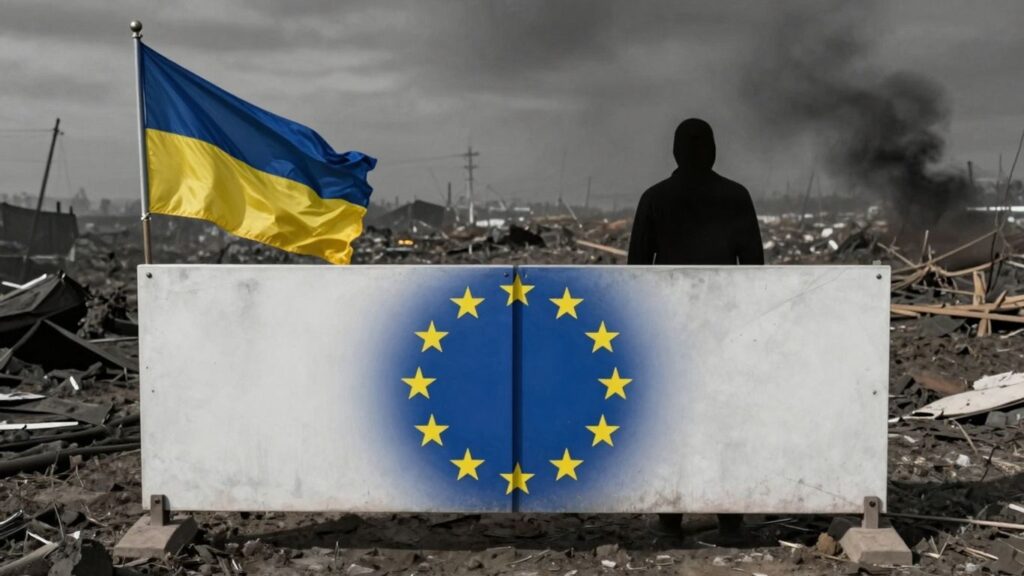
A major hurdle is reconciling the security demands of both sides. Russia wants assurances that Ukraine will not join NATO and that NATO will not station combat forces on its territory. Ukraine, on the other hand, seeks guarantees against future Russian invasions. Beebe suggests a compromise where Ukraine does not join NATO, and NATO does not place combat troops in Ukraine. Russia has indicated openness to Ukraine joining the EU, which could provide political and economic anchoring. Security guarantees for Ukraine might involve robust Western military and intelligence support in case of renewed aggression, rather than a direct commitment to fight Russia.
European Hesitation and the US Role
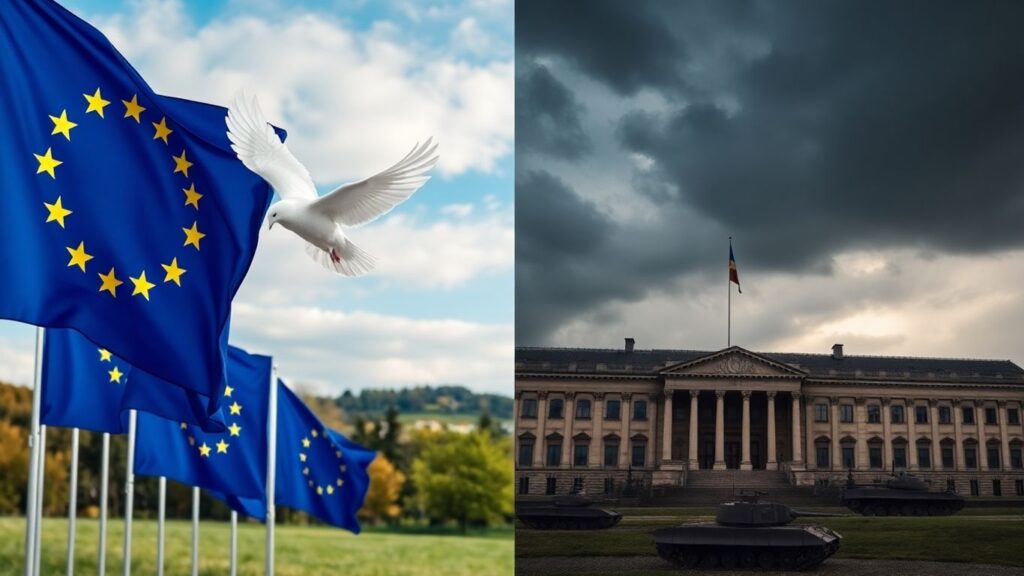
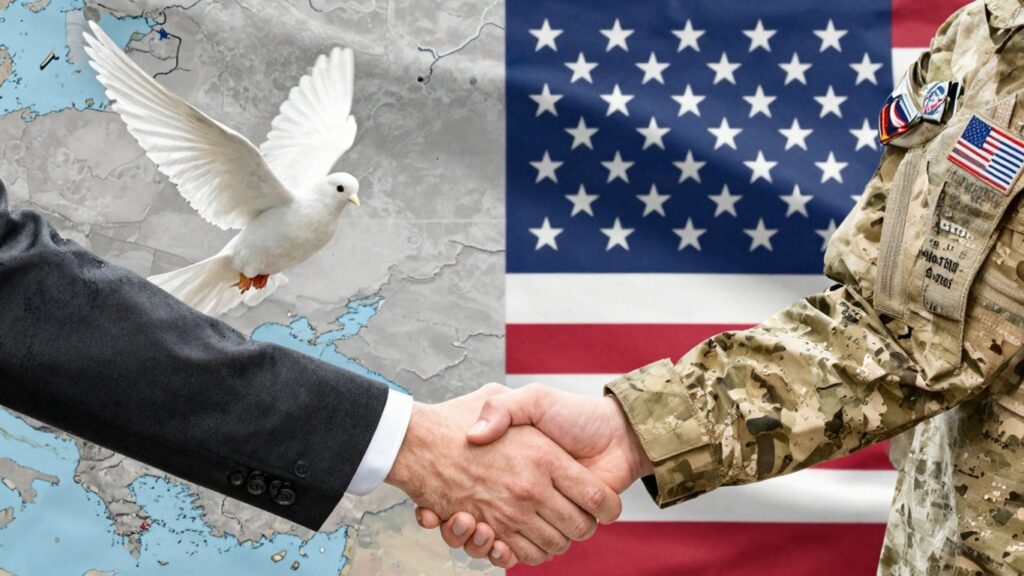
While Ukraine and Russia may be moving towards a compromise, Europe has shown significant reluctance. Some European nations view potential peace terms as a "surrender treaty" and fear that any concession to Russia will only embolden further aggression. Beebe argues that Europe’s primary fear is a rift in the transatlantic alliance, and the Trump administration could use this to push Europe towards a more pragmatic stance. He stressed that abandoning Ukraine is not the goal, but rather finding a realistic security arrangement.
The Root Causes and Future Security Architecture
The conflict’s root causes are tied to the broader European security architecture, specifically the tension between a state’s right to choose its alliances and the principle of indivisible security. For decades, Russia’s security concerns have been largely ignored, leading to instability. Beebe advocates for a combination of deterrence and cooperative security, involving dialogue with Russia on European security and revitalizing pan-European institutions that include Russia. This approach aims to balance competing security principles and prevent future conflicts.
The Dire Consequences of No Peace Deal
If a diplomatic settlement is not reached, Beebe paints a grim picture for Ukraine. He predicts a potential collapse of Ukrainian defenses due to increasing military pressure from Russia, dwindling resources, and difficulties in air defense. Without a deal, Ukraine could become a "rump state," dysfunctional and unable to rebuild, leading to a humanitarian crisis and prolonged instability in Europe. This scenario would also increase the risk of new crises between Russia and the West, potentially without the necessary diplomatic frameworks to manage them. Therefore, reaching a compromise is presented not just as an option, but a necessity to avoid a catastrophic outcome for all parties involved.



Responses