Ukraine’s Fate: Peace Deal or European Obstruction?

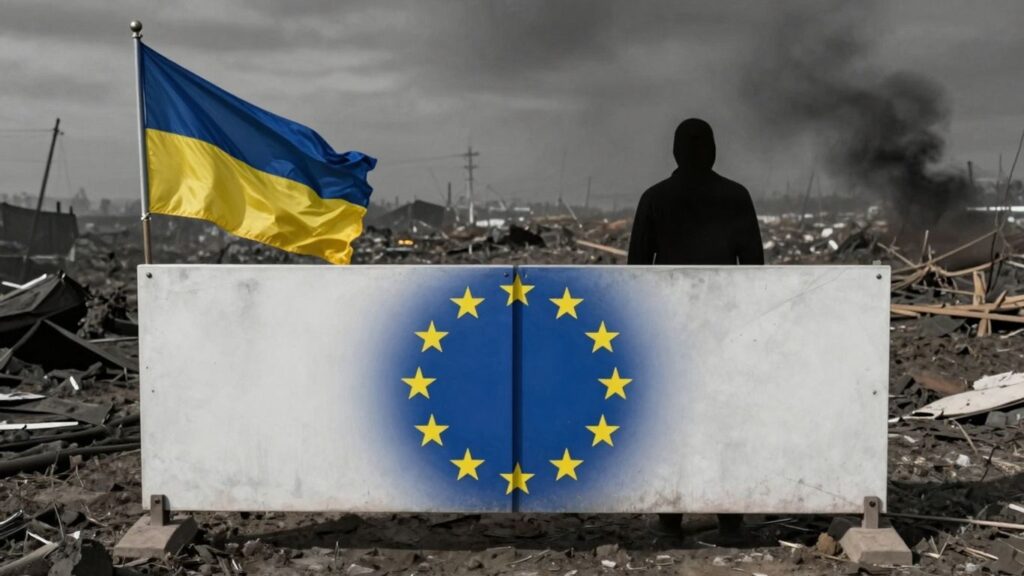
George Beebe, a former CIA Russia analyst and current Director of Grand Strategy at the Quincy Institute, recently discussed the complex situation surrounding a potential peace deal for the Ukraine war. He highlighted that while significant efforts are being made to find a diplomatic solution, resistance is emerging from various corners, including Washington, Ukraine, and even Russia. The core challenge lies in crafting an agreement that addresses Ukraine’s security needs without threatening Russia’s own security interests. Beebe expressed optimism that such terms are becoming clearer, but cautioned that as a deal gets closer, parties who oppose an end to the conflict will likely try to sabotage it.
Key Takeaways
- A peace deal for Ukraine is being actively pursued, with terms becoming clearer.
- Resistance to a compromise is expected from groups in Russia, Washington, and Europe.
- The proposed deal likely involves Ukraine not joining NATO and no NATO combat forces on Ukrainian territory.
- Ukraine could join the EU, providing political and economic anchoring in the West.
- Security guarantees for Ukraine would likely involve robust Western military and intelligence support, but not direct combat.
- Europe is currently seen as the most reluctant party to a compromise, fearing a pivot away from the continent by the US.
- Without a diplomatic settlement, Ukraine faces a deteriorating military situation and potential collapse.
The Delicate Balance of Peace Negotiations
Beebe explained that the current diplomatic push aims to find terms acceptable to both Ukraine and Russia. This involves ensuring Ukraine’s security needs are met while not posing a threat to Russia’s security. He noted that while the outlines of such a deal are becoming visible, there are significant obstacles. Parties who benefit from the continuation of the war or have ideological opposition to a compromise are expected to actively work against it. These "rejectionists" might spread rumors or frame the deal as a capitulation, similar to historical appeasement efforts.
Navigating Security Guarantees
A major sticking point is how to provide security guarantees for both sides. Russia wants assurances that NATO will not expand further into Ukraine and that the alliance will have no involvement in the country. Ukraine, conversely, seeks guarantees against future Russian aggression. Beebe suggested a potential compromise where Ukraine would not join NATO, and NATO would not station combat forces there. However, Ukraine could still join the EU, offering a path for Western political and economic integration. Security guarantees for Ukraine might involve strong Western military and intelligence support in case of renewed Russian aggression, but not a direct commitment to fight Russia.
European Hesitation and the Risk of Derailment
Despite the efforts, public opposition from Ukraine has been noted, with President Zelensky reportedly seeking European backing to pressure changes to the proposed deal. Beebe pointed out that Europe appears to be the most hesitant party. Their concern seems to stem from a fear that a US-brokered peace deal might lead to a significant American pivot away from Europe, leaving them more exposed to Russia. This reluctance, Beebe warned, could position Europe as an obstacle to peace. If the US perceives Europe as the main spoiler, it might disengage, leaving Europe unable to sustain Ukraine’s defense efforts, particularly in areas like air defense and intelligence.
The Battlefield Reality and Potential Collapse
Beebe painted a stark picture of the military situation if a diplomatic settlement fails. He believes Ukraine is on a path toward collapse, though the exact timing is hard to predict due to intangible factors like morale. With Russia increasingly outnumbering Ukrainian forces and possessing an advantage in air attacks, the battlefield situation is expected to worsen for Ukraine. This could lead to a significant downturn, making a compromised settlement much less likely as Russia would likely dictate terms. He suggested this collapse could happen within a year if no diplomatic solution is reached.
The Broader European Security Architecture
Beyond the immediate conflict, the discussion touched upon the root causes of the war, including competing security principles in Europe. The tension between a state’s right to choose its alliances and the principle of indivisible security has been a long-standing issue. Beebe argued that moving forward requires a combination of deterrence and cooperative security. This means not only maintaining military strength but also re-engaging in dialogue with Russia about European security, potentially revitalizing pan-European institutions where Russia participates. He stressed that simply ending the war in Ukraine is not enough; a broader discussion about the future security architecture of Europe is necessary to prevent future crises.
The Consequences of Failed Diplomacy
If a diplomatic settlement is not reached, Beebe foresees a bleak future. Russia might advance, taking territory that leaves Ukraine a "rump state," dysfunctional and difficult to reconstruct. This scenario would likely prevent the return of refugees and create a source of instability radiating into Europe. Without established rules of the game and dialogues, the risk of new crises between Russia and the West would increase. Therefore, Beebe concluded, reaching a compromise to end the war in Ukraine is essential, not just for Ukraine and the West, but also for Russia, as the alternatives are far worse for everyone involved. The key is to avoid a prolonged stalemate and instead pursue a dialogue that addresses the fundamental security concerns of all parties.

Responses