Reykjavík is small enough to walk across in an afternoon, but most of what people fly to Iceland for lies outside it: waterfalls, rift valleys, geothermal lagoons and whales in Faxaflói Bay. The smart way to plan is to treat the city as a comfortable base, spend a day or two on its pools, food and harbour, and use the rest of your time for day trips.
This guide covers the sights in town and the excursions that are genuinely worth the early start, with honest notes on cost, timing and what you can skip.
Disclosure: this page contains links to GetYourGuide. If you book through them, People & Media may earn a small commission at no extra cost to you.
Our honest attraction reviews
We’ve written detailed, no-hype reviews of Reykjavík’s biggest paid attractions, covering prices, crowds and whether they’re worth your money.
12 best things to do in Reykjavik
1. Hallgrímskirkja
The concrete church at the top of Skólavörðustígur is Reykjavík’s landmark, its stepped façade inspired by Iceland’s basalt columns. The nave is plain and calm, with a huge organ. The real reason to come is the lift up the tower, which gives the best overview of the city’s coloured roofs, the bay and Mount Esja.
Time: 30–45 minutes. Cost: the church is free to enter; the tower needs a ticket. Tip: the church and tower close for services, concerts and private ceremonies, so check the day’s schedule on the church website before you walk up the hill.
2. Laugavegur, Skólavörðustígur and Tjörnin
Reykjavík’s centre is best seen on foot. Walk down the rainbow-painted Skólavörðustígur from Hallgrímskirkja, along the shopping street Laugavegur, and on to Tjörnin, the city pond next to City Hall, where the birdlife is part of the scenery. It’s a relaxed half-day of cafés, design shops and bookshops rather than big sights.
Time: 2–3 hours. Cost: free. Tip: eating and drinking in Iceland is expensive; look for happy-hour deals in the late afternoon and lunch menus, which are usually better value than dinner.
3. Harpa and the Sun Voyager
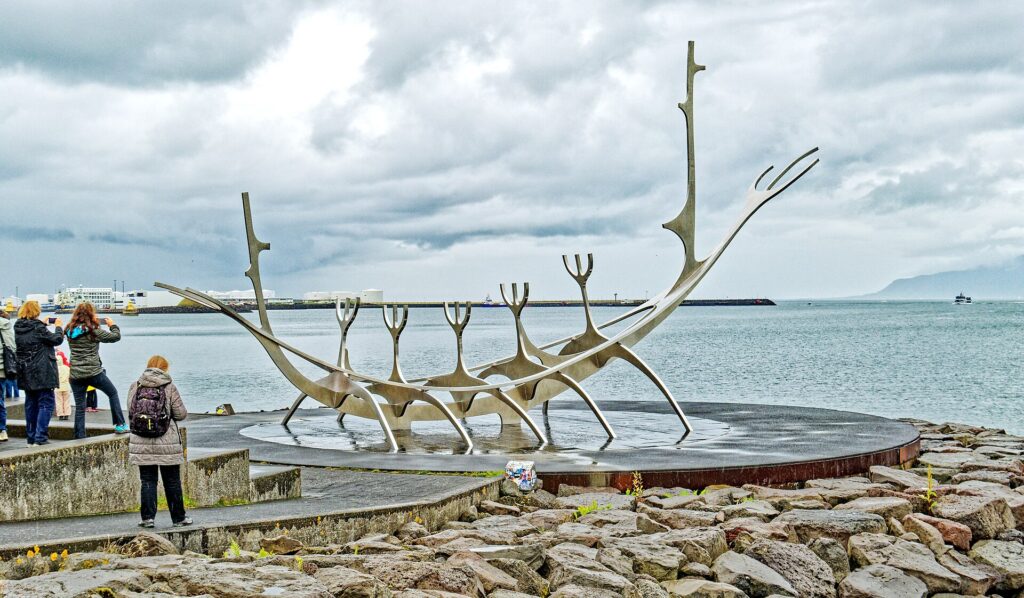
Harpa, the glass concert hall on the harbour, is worth walking into even if you’re not seeing a concert: the honeycomb façade throws shifting light across the foyer. From there, follow the seafront path east to Sólfar (the Sun Voyager), a steel sculpture of a dream boat facing the mountains across the bay.
Time: 1 hour. Cost: free (concerts and shows are paid). Tip: go in the evening in summer, when the low sun lights up both Harpa’s glass and the sculpture.
4. Swim like a local in a geothermal pool
Icelandic public pools are where the city socialises: outdoor lanes, hot pots at different temperatures and steam rooms, used all year round. Sundhöll Reykjavíkur, the city’s oldest pool, and Vesturbæjarlaug in the west of town are two of the best-loved. It’s the everyday, local version of the lagoon experience at a fraction of the price.
Time: 1–2 hours. Cost: paid, but cheap by Icelandic standards; entry is included in the Reykjavík City Card. Tip: you must shower without your swimsuit before getting in. It’s strictly enforced and completely normal here.
5. Blue Lagoon
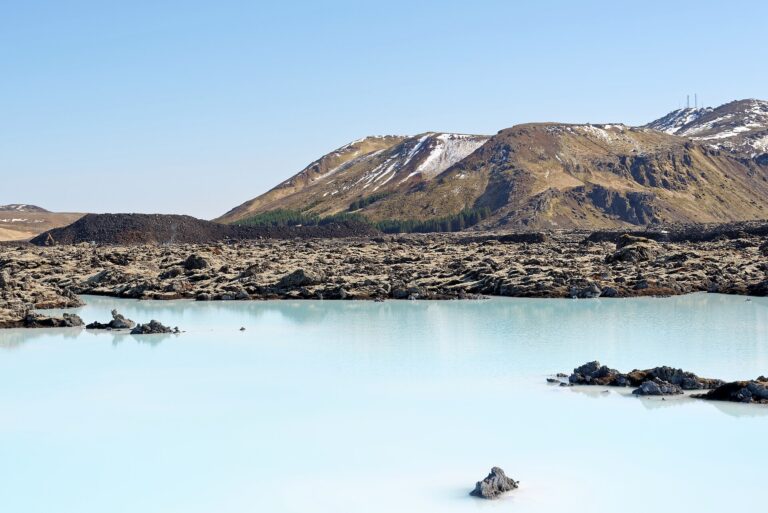
The milky-blue lagoon in a black lava field is Iceland’s most famous bath. It’s a polished, expensive spa experience rather than a wild hot spring, and it lies much closer to Keflavík Airport than to the city, so it fits best on your arrival or departure day. Read our full review: Is the Blue Lagoon worth it?
Time: half a day including transfers. Cost: paid, timed tickets. Tip: without a car, a Blue Lagoon entry with return transfers saves you juggling bus times and entry slots.
6. Sky Lagoon
If you want the lagoon experience without the trek to the Reykjanes Peninsula, Sky Lagoon on the coast at Kópavogur is the closer alternative. Its infinity edge looks straight out over the ocean, and a multi-step bathing ritual with a cold plunge, sauna and scrub is part of the visit.
Time: 2–3 hours. Cost: paid, booked in time slots. Tip: sunset slots are the most atmospheric, so book those well ahead.
7. The Golden Circle day trip
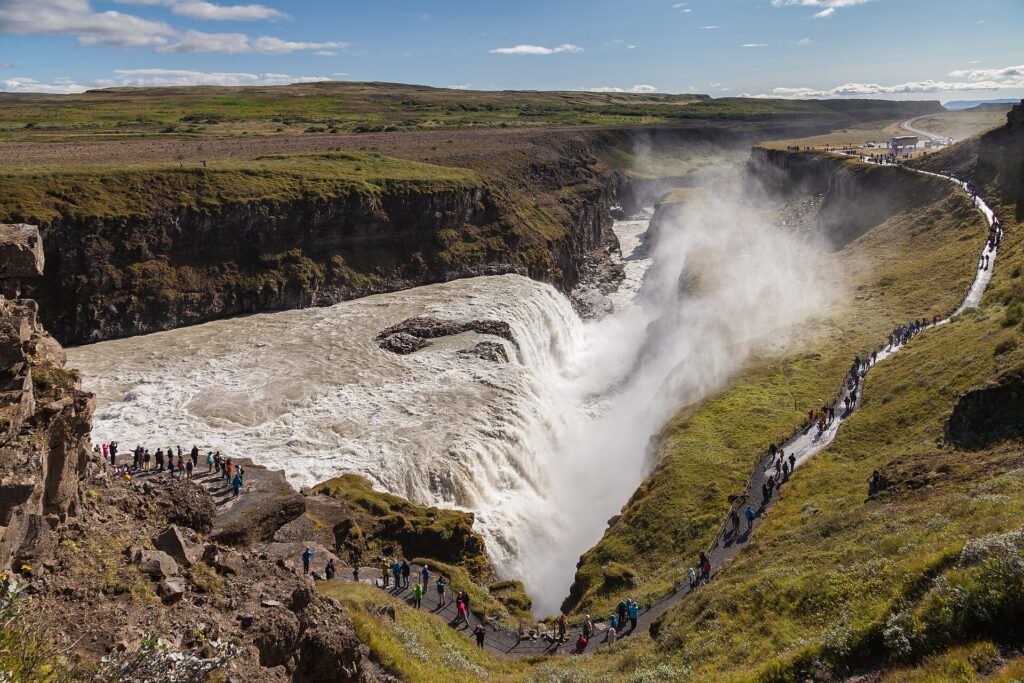
The classic day out from Reykjavík links three very different sights: Þingvellir National Park, where you walk through a rift between two tectonic plates and where Iceland’s early parliament met; the geothermal area at Geysir, where Strokkur erupts every few minutes; and Gullfoss, a huge two-tiered waterfall dropping into a canyon. It’s popular for good reason and easy to do in a day.
Time: 7–9 hours. Cost: the sites are free to see, though some car parks charge a fee. Tip: with no rental car, a Golden Circle day tour with Kerið crater covers all three plus a volcanic crater lake.
8. Whale watching from the Old Harbour
Boats leave from Reykjavík’s Old Harbour into Faxaflói Bay, where minke whales, humpbacks and white-beaked dolphins are the most common sightings. It’s never guaranteed, and the North Atlantic can be rough, but on a calm day it’s one of the easiest wildlife trips in Europe.
Time: 2–3 hours. Cost: paid. Tip: summer has the best conditions. Take seasickness tablets beforehand if you’re prone to it, and choose an operator that offers a free retry if you see nothing, like this whale watching tour with an expert guide.
9. Hunting the northern lights
From roughly autumn to early spring, when the nights are dark, the aurora can appear over Iceland. City lights wash it out, so the best chance is on a clear night away from Reykjavík. A tour takes you wherever the forecast looks best that evening.
Time: 3–5 hours, late evening. Cost: paid (or free if you have a car and a forecast app). Tip: book it for early in your trip, because many operators, including this northern lights bus tour, let you rejoin for free if the lights don’t show.
10. The South Coast: waterfalls and black sand
A longer day along Route 1 takes in Seljalandsfoss, the waterfall you can walk behind, the wide curtain of Skógafoss and the black sand beach of Reynisfjara with its basalt columns. The scenery is bigger and wilder than on the Golden Circle, but you spend more time on the road.
Time: 10–11 hours. Cost: sights free; some car parks are paid. Tip: at Reynisfjara, stay well back from the water. Sudden “sneaker waves” have swept people off the beach. A South Coast day tour is the easiest option in winter, when driving conditions can be difficult.
11. National Museum of Iceland and the Settlement Exhibition
For context on everything you’ll see outside the city, the National Museum tells Iceland’s story from the Viking-age settlers to the present day. The Settlement Exhibition in the centre is built around the excavated remains of a Viking-age longhouse found under a city street.
Time: 1–2 hours each. Cost: paid; both are included in the Reykjavík City Card. Tip: keep them for a rainy or windy day, which in Reykjavík you will almost certainly get.
12. The Old Harbour and Grandi
The harbour area west of Harpa has turned from working docks into one of the city’s most enjoyable neighbourhoods: seafood restaurants in old fishing sheds, an ice-cream shop that locals queue at in any weather, a food hall and small museums. It’s also where whale watching and puffin boats depart.
Time: 1–3 hours. Cost: free to walk around. Tip: combine it with a late-afternoon walk out along the coastal path towards the Grótta lighthouse, if you have the energy.
- Hour-by-hour itinerary for 3 days
- Google Maps list with every stop
- What to book in advance (and when)
- Works offline on your phone
Planning your trip: when to go, how long and getting around
Best time to visit
Summer (June to August) brings long, light nights, the easiest driving and the calmest seas for boat trips, but also the highest prices and the most visitors. Winter is dark and often stormy, with only a few hours of daylight around December, yet it’s the season for the northern lights and snowy landscapes. September and March are good compromises: aurora season has begun (or not yet ended) and days are a reasonable length.
How many days do you need?
One day covers the city itself. Three to four days is the sweet spot for a first visit: a day in town, a Golden Circle day, a South Coast day and a lagoon on the way to or from the airport. If you’re driving the Ring Road, add Reykjavík at the start or end rather than trying to see it in between.
Getting around
The centre is compact and walkable. Keflavík Airport is a long way out, so most people take an airport coach or pick up a rental car on arrival. Within the capital area, the Strætó bus network covers the suburbs. The Reykjavík City Card (24, 48 or 72 hours) includes unlimited Strætó travel, the city’s geothermal pools, entry to 17 museums and attractions and the ferry to Viðey island, according to Visit Reykjavík. It pays off if you plan a pool-and-museum day; it doesn’t cover day trips or the lagoons. For the Golden Circle and South Coast you need a car or a tour, as there’s no practical public transport for sightseeing.
Where to stay
Stay in 101 Reykjavík, the old centre around Laugavegur, Skólavörðustígur and the harbour, so you can walk to restaurants in the evening and reach tour pick-up points easily. The area around Hlemmur, at the eastern end of Laugavegur, is often slightly cheaper and still central. Vesturbær, west of the centre, is quieter and residential. If you’re driving, check that your accommodation has parking, as the centre is tight.
Frequently asked questions
How many days do you need in Reykjavík?
One full day is enough for the city. Plan three to four days if you want to add the Golden Circle, the South Coast and a lagoon, which is what most first-time visitors come for.
Can you see the northern lights in Reykjavík?
Sometimes, on very strong nights, but light pollution makes it hard. Your chances are much better on a clear, dark night outside the city, roughly between September and April. Check the aurora and cloud forecasts and keep a few evenings flexible.
Do you need a car in Reykjavík?
Not in the city itself, which is walkable. A car gives you freedom for the Golden Circle and South Coast in summer. In winter, many visitors prefer day tours because of ice, storms and short daylight.
Is Reykjavík expensive?
Yes. Food, alcohol and tours cost noticeably more than in most of Europe. Supermarkets, bakery lunches, public pools and free sights like Harpa and the harbour help keep costs down.
Should I visit the Blue Lagoon or Sky Lagoon?
Pick the Blue Lagoon if you want the famous lava-field setting and can visit on the way to or from the airport. Sky Lagoon is closer to the city and has an ocean view. If budget matters most, a local geothermal pool gives you much of the same pleasure for far less.
Featured image: Photo: allen watkin from London, UK, CC BY-SA 2.0, via Wikimedia Commons