Zelensky’s 20-Point Peace Plan: A Deep Dive Analysis

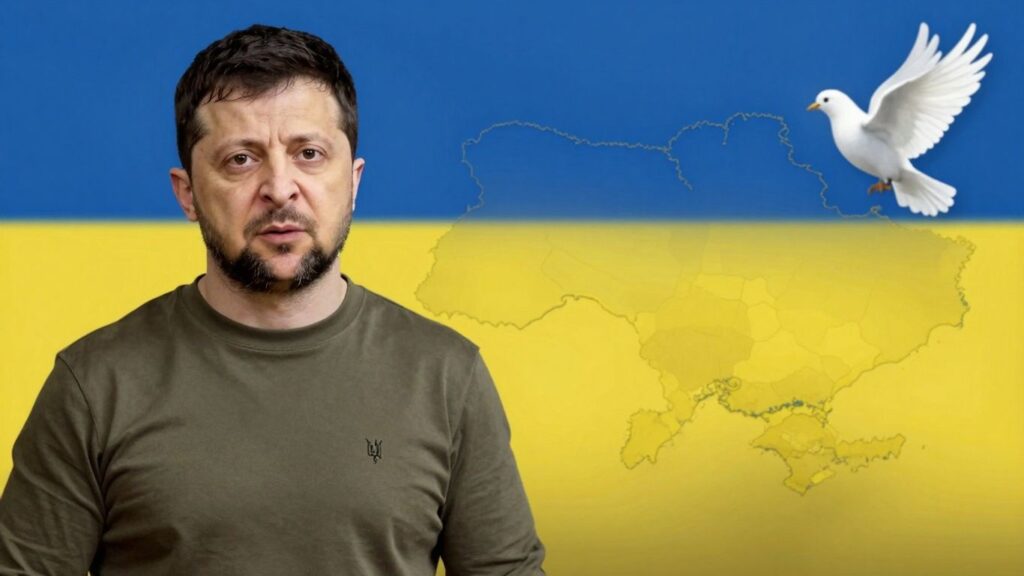
Overnight, a significant development emerged in the ongoing conflict: Ukrainian President Zelensky’s 20-point peace plan has been revealed. This plan is presented as Ukraine’s response to a previously discussed 28-point plan attributed to former President Trump. The details of Zelensky’s proposal offer a complex mix of potential common ground and significant obstacles.
Key Takeaways
- Mixed Potential: While the plan contains points both sides could potentially agree on, several are outright deal-breakers for Russia.
- Definition is Key: The success of many points hinges on how specific terms are defined and interpreted.
- Missing Elements: Crucially, the plan omits key Russian demands, making it incomplete from their perspective.
Points of Potential Agreement
There are several aspects of Zelensky’s 20-point plan where common ground might be found. These points, while requiring careful definition, offer a starting point for discussions:
- Sovereign State: Ukraine’s status as a sovereign nation is acknowledged.
- Peace Agreement: Both sides generally desire a non-aggression pact and a peace agreement to avoid future conflicts.
- Security Guarantees: While definitions are critical, the concept of security guarantees is on the table. Russia insists its own security must be considered, not just Ukraine’s protection against Russia.
- EU Membership: Putin has indicated a willingness to accept Ukraine’s EU membership, though concerns exist about the EU’s evolving role as more of an armed bloc than purely economic.
- Global Development Package: Russia is open to a global package for reconstruction, provided they are not expected to fund it. They are focused on rebuilding areas they consider Russian territory.
- Reconstruction Funding: The plan mentions an $800 billion reconstruction cost. Russia is fine with other nations contributing, but they will handle their side of the reconstruction independently.
- Free Trade Agreement with the US: Russia appears indifferent to this, but Ukraine is cautioned about entering such an agreement from a weak position.
- Non-Nuclear Status: Ukraine’s commitment to remaining non-nuclear is a point Russia desires.
- Mutual Tolerance Education: Russia has long sought this, and it’s included, though the specifics of curriculum and delivery are important.
- Refraining from Force: The plan includes a point about settling disputes without force, a concept already present in international law.
- Sea Access: Russia might agree to Ukraine’s access to the sea, but this is conditional on other factors.
- Prisoner Swaps: An ‘all for all’ prisoner exchange is agreed upon.
- Presidential Elections: The concept of presidential elections is accepted, though the execution details matter.
- Legally Binding Agreement: All sides seem to want an agreement that is legally binding.
- Ceasefire Upon Agreement: Russia’s position is that a ceasefire will only take effect once a full agreement is in place.
Deal-Breakers: Points Unacceptable to Russia
Despite the areas of potential agreement, several points in Zelensky’s plan are considered non-starters by Russia. These represent significant hurdles:
- Ukrainian Armed Forces Size: A proposed force of 800,000 for Ukraine is seen as a direct threat, being nearly four times larger than pre-war levels and significantly larger than any other European military. This contradicts Russia’s goal of demilitarization.
- US/NATO/EU Backed Guarantees: Russia will not agree to Article 5-like security guarantees from NATO or the US, viewing this as a core reason for the conflict.
- Zaporizhzhia Nuclear Power Plant Ownership: The proposal for shared ownership of the plant is unlikely to be accepted by Russia without significant concessions.
- Line of Contact as Demarcation: Russia will not accept the current line of contact as the final border. This includes territories annexed by Russia, which are now part of their constitution.
Missing, But Necessary Points
Furthermore, the plan omits several key issues that are non-negotiable for Russia and must be included for any deal to be possible:
- Neutrality and Non-NATO Membership: The plan lacks explicit mention of Ukraine’s neutrality and denunciation of NATO membership. This is a core Russian demand.
- Denazification: The concept of ‘denazification,’ which Russia views as addressing the mentality leading to conflict since 2014, is absent.
- Constitutional Adjustments for Ethnic Russians: The plan doesn’t address the need for constitutional changes to protect the rights of ethnic Russians within Ukraine, a point previously agreed upon in Minsk agreements.
Conclusion
Zelensky’s 20-point peace plan presents a complex picture. While it contains more points with potential for agreement than not, the devil is truly in the details. The significant omissions and outright unacceptable proposals from Russia’s perspective mean that reaching a comprehensive agreement will be a long and difficult process. However, the very existence of this plan is a step forward, offering something to work with, rather than a complete rejection of peace talks. The path ahead will likely involve intense negotiation, where the calculation of fighting versus conceding will ultimately drive decisions.


Responses