Ukraine’s Unwavering Stance: No Land for Peace, Says Macgregor

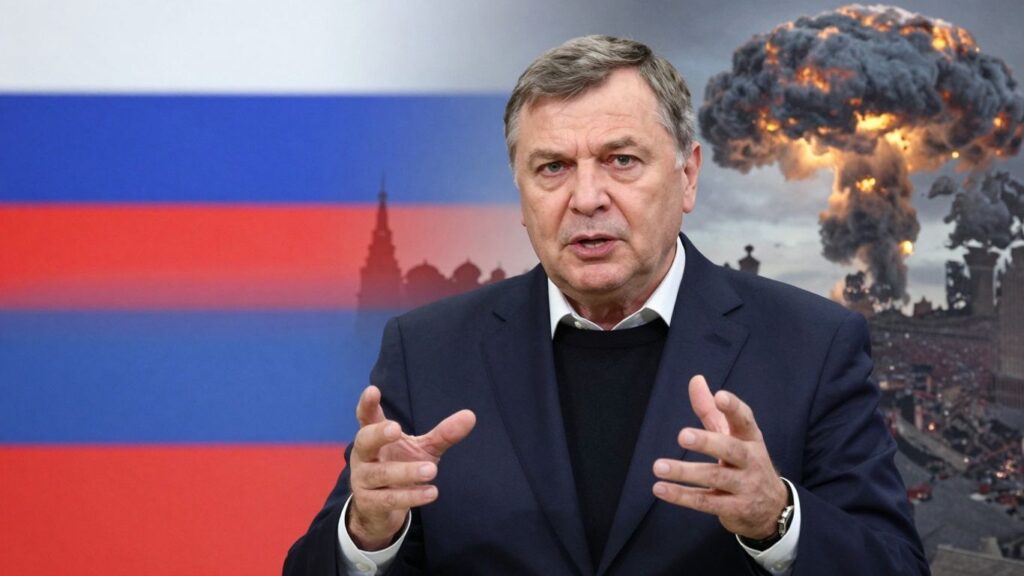
In the ongoing conflict, Ukraine has made it clear that it will not cede any territory to Russia in exchange for peace. This firm stance, according to Colonel Douglas Macgregor, a defense and foreign policy analyst, may have closed the door on a diplomatic solution and could lead to Ukraine’s military defeat. This perspective comes amid various diplomatic efforts since early 2023, suggesting a critical juncture has been reached.
Key Takeaways
- Ukraine’s refusal to surrender land is a non-negotiable point.
- European leaders’ support for Ukraine’s position is seen as potentially meaningless given their own low approval ratings.
- The current leadership in Ukraine and Europe is characterized as "globalist" and potentially leading their nations toward disaster.
- There’s a belief that many Ukrainians desire an end to the war, even if it means a different relationship with Russia.
- The conflict is viewed by some as an artificial construct by Washington and London aimed at harming Russia.
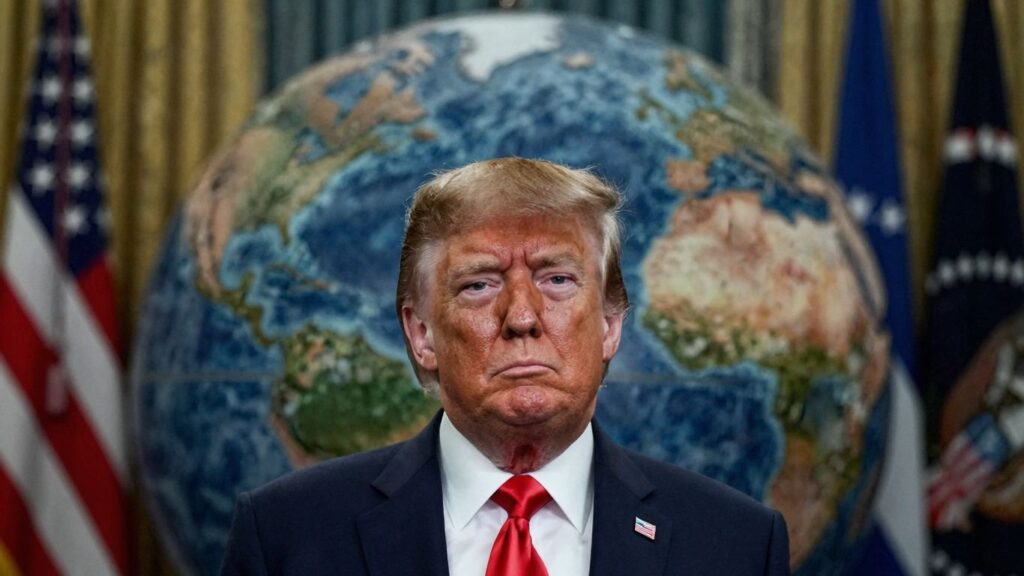
- President Trump’s comments suggest a potential shift in US policy, questioning the ongoing support for Ukraine and the necessity of elections.
- The military situation on the ground is described as a Russian victory, with ongoing consolidation and potential advances.
- Concerns are raised about the US’s own economic stability and the potential for corruption to influence foreign policy decisions.
The Unyielding Position on Territory
President Volodymyr Zelenskyy has declared that Ukraine will not surrender territory, citing legal and moral obligations. This declaration directly counters a key Russian demand that was reportedly part of President Trump’s peace proposal. Macgregor suggests that Zelenskyy’s meeting with leaders in Paris, London, and Berlin was an attempt to gain reassurance, but he views this support as hollow, given the low approval ratings of these European leaders. He likens the situation to pre-war Poland, receiving assurances of support just before its partition.
European Leadership and Globalist Agendas
Macgregor is critical of the current European leadership, labeling them as "globalists" who have contributed to the current crisis. He argues that their policies have pushed Russia towards war, subsidized a conflict with the aim of weakening Russia, and opened their borders to mass immigration, straining their economies. He predicts that these leaders are nearing the end of their political careers.
The Shifting Sands of Diplomacy
President Trump’s involvement in peace proposals, including a reported 28-point plan that was later reduced, highlights a potential US pivot. Trump has also questioned the timing of elections in Ukraine, suggesting it’s time for the Ukrainian people to have a say. This, coupled with Zelenskyy’s refusal to cede land, raises questions about whether the US is preparing to disengage from the conflict.
The Military Reality on the Ground
According to Macgregor, Russia has militarily won the war. He describes the current situation as Russian forces consolidating their gains and cleaning up remaining pockets of Ukrainian resistance. The potential capture of Odessa is also mentioned as a likely next step. The use of mercenaries is noted, with claims that many Ukrainians are unwilling to fight due to the high risk of death.
Corruption and US Policy
Concerns about corruption in Ukraine are raised, with suggestions that it has been exacerbated by US involvement. The influence of financial interests and billionaire donors on US policy, including President Trump’s decisions, is also discussed. The narrative suggests that the conflict was an "artificial construct" designed to harm Russia, with significant financial implications for the US.
The Path Forward: Withdrawal or Escalation?
There’s a strong sentiment that the US should withdraw from the conflict, cease financial and military aid, and pull out all personnel. The idea of "strategic ambiguity" is dismissed as a path to war, with a call for clear, unambiguous policy. The potential for President Trump to walk away from the conflict is debated, with his unpredictability seen as a key factor. However, his administration’s financial ties and the influence of advisors are noted as potential obstacles to a swift withdrawal.
Venezuela and National Security Strategy
The discussion also touches upon potential US military action in Venezuela and the broader implications of the new national security strategy. Macgregor advocates for a "America First" approach, focusing on defending US interests, primarily in the Western Hemisphere, and avoiding foreign entanglements. He criticizes the bloated military establishment and the continued presence of overseas bases, calling for a leaner, more focused force. The strategy, in his view, lacks a clear framework for action and relies too heavily on unproven technological solutions like AI, drawing parallels to past failed military programs.
The Drone Dilemma
A significant concern is the US’s slow pace in drone production compared to Russia and Ukraine. While the US plans to ramp up production, Russia is already producing at a much higher rate. Macgregor suggests that the US should learn from the experimentation of the inter-war period in Germany and the Soviet Union, focusing on practical, field-tested solutions rather than relying on expensive, unproven technologies. He emphasizes the need for financial discipline and a realistic assessment of the US’s capabilities and limitations in a changing global landscape.

Responses