Trump’s Peace Plan: Why Zelensky Needs Pressure to Accept

![[Trump] and [Zelensky] in a visual debate over a peace plan.](https://www.peopleandmedia.com/wp-content/uploads/2025/12/ec477980thumbnail-1024x576.jpeg)
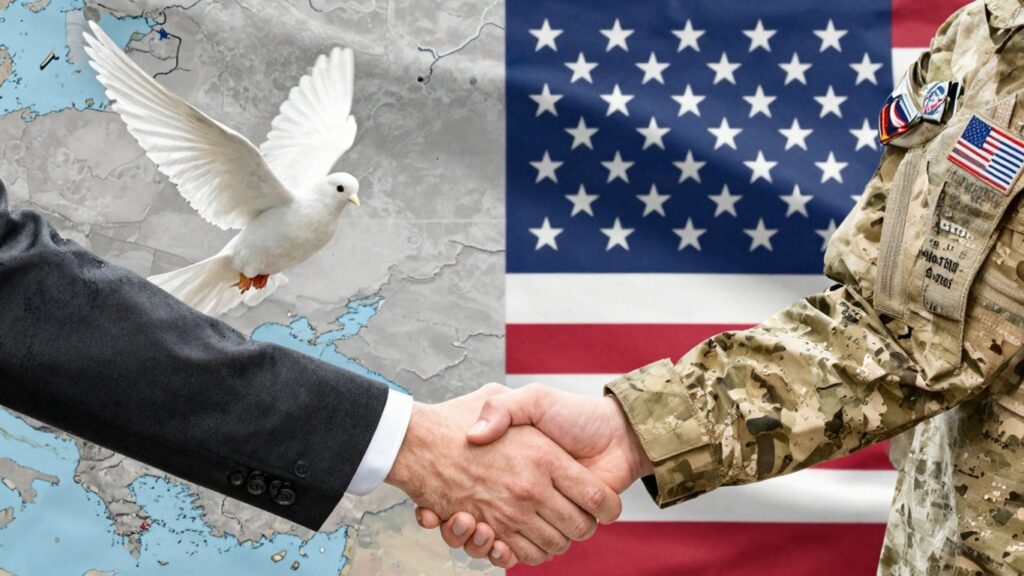
Colonel Jacques Baud, a former military intelligence analyst, discusses a potential peace deal for Ukraine, suggesting that Donald Trump might need to apply significant pressure on Ukrainian President Zelensky and European leaders to get it accepted. The proposed plan, outlined by Trump, faces hurdles from both sides, but Baud argues it could be a path toward a lasting solution.
Key Takeaways
- Ukraine has signaled rejection of key points in the peace plan, including neutrality and territorial concessions.
- Some in Russia desire more territorial gains, viewing the war as a costly victory.
- Internal political pressures and differing views exist within both the US and European leadership regarding continued support for Ukraine.
- A good agreement, Baud suggests, is one where neither party is fully satisfied.
- Both Ukraine and Russia show signs of war fatigue, increasing the potential for a negotiated settlement.
The Ukrainian Stance
Ukraine has already made it clear that certain aspects of the proposed peace deal are unacceptable. Representatives have outlined red lines, essentially rejecting the core components of the plan. This includes Ukraine restoring its neutrality, limitations on its army, and any concessions on seized territories. Essentially, the main points that matter are off the table for Ukraine.
Russian Hawks and Territorial Ambitions
On the Russian side, there are also voices, often referred to as "hawks," who aren’t entirely happy with the current situation. After a long and costly war of attrition, where they believe they’ve largely neutralized Ukraine’s military and withstood NATO’s efforts, some want to see more objectives met. This includes potentially gaining additional territory, such as areas from Odessa to Mykolaiv, as a guarantee. They harbor doubts about NATO’s commitment to upholding any deal.
Trump’s Role and US Politics
Baud suggests that Trump, driven by his "Make America Great Again" agenda, wants to disengage from conflicts that drain resources. He believes Trump is on a path to achieve this. However, the situation is complicated by neoconservative elements within the US who advocate for continued support to Ukraine and a strategy of containing Russia, even if it means prolonging the conflict for years to potentially deplete Russian resources. This creates a complex dynamic where Trump’s freedom of movement might be limited.
European Dilemmas
Europe presents a mixed picture. Rationally, the European economy might struggle to sustain further support for Ukraine. Yet, European leaders often display a hawkish rhetoric, which has intensified recently. This creates a growing gap between their political statements and their economic capacity to back them up. Baud questions how this discrepancy will play out.
The Territory Conundrum
The issue of territory is perhaps the most sensitive. President Zelensky paid a high price to maintain territorial integrity, as the idea of Russia taking all of Ukraine rallied the Ukrainian military to defend every inch. Giving up territories like Zaporizhzhia and Kherson now, without significant gains, could be seen as an insult by many Ukrainians, potentially jeopardizing Zelensky’s position.
The Nature of a Good Agreement
Baud draws on his experience as an advisor, stating that a good agreement is one where both parties are somewhat unsatisfied. This suggests that the current proposal, with objections from both sides, might actually be a sign that it’s not entirely bad. The goal is not just a short-term fix but a lasting solution that both Ukraine and Russia can live with.
Signs of Fatigue and the Path Forward
There’s a growing fatigue with the conflict on both sides. In Ukraine, political turmoil and increasing opposition to Zelensky suggest a desire to end the fighting. While less obvious in Russia due to government efforts to shield the public from the conflict’s direct impact, polls indicate a significant portion of the population supports a negotiated solution. This fatigue, coupled with the potential goodwill from the US under Trump, could influence decisions. Baud believes that while no agreement will be perfect, the current proposal warrants serious consideration, especially for Europeans who may not achieve a better outcome.


![[Trump], [Vance], [Zelensky] meet in Washington D.C.](https://www.peopleandmedia.com/wp-content/uploads/2025/12/b44193a0thumbnail-1024x576.jpeg)

Responses