Most people pass through Zagreb on the way to the coast or Plitvice, and that’s a pity. Croatia’s capital has a hilltop medieval Upper Town you can reach by one of the world’s shortest funiculars, a grand Austro-Hungarian Lower Town full of parks and cafés, and a daily routine (morning market, coffee on the terrace, cannon at noon) that makes it easy to slow down for a day or two.
Disclosure: this page contains links to GetYourGuide. If you book through them, People & Media may earn a small commission at no extra cost to you.
Our honest attraction reviews
Planning the big day trip from Zagreb? Our detailed reviews tell you honestly whether it’s worth the time and money.
12 best things to do in Zagreb
1. St Mark’s Church and the Upper Town
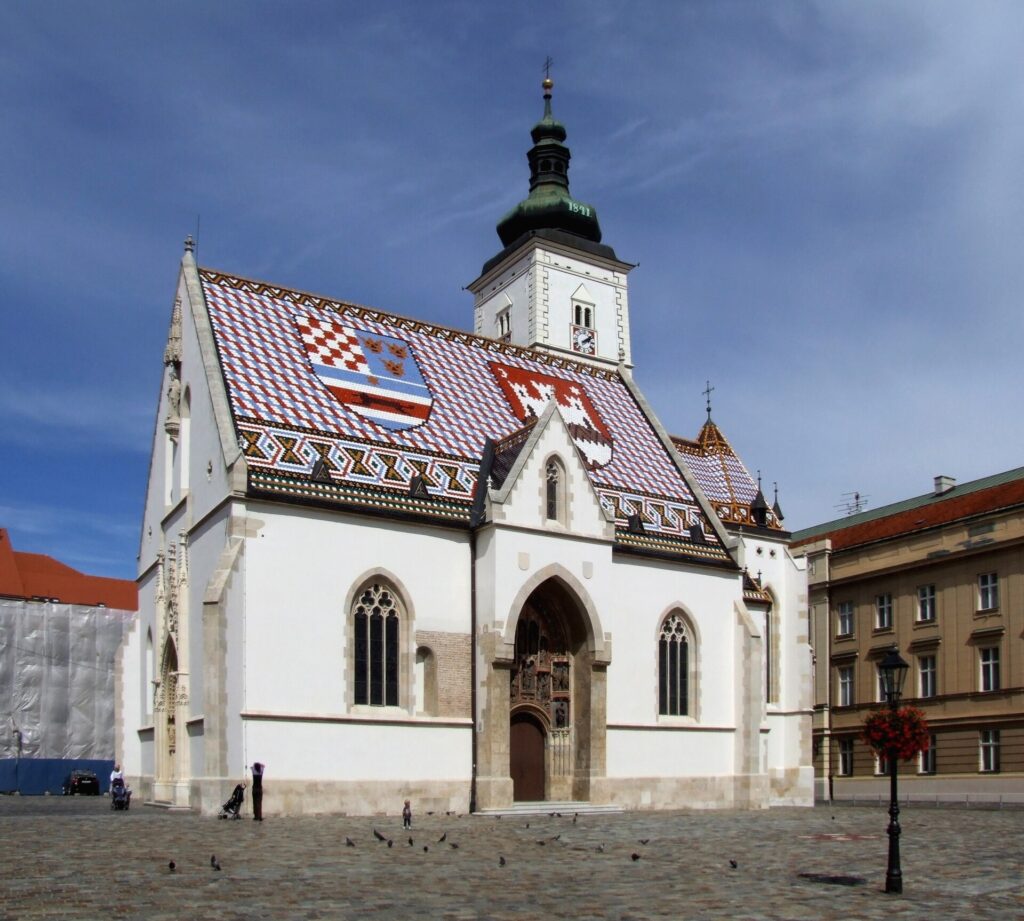
Gornji Grad, the Upper Town, is the old heart of Zagreb: quiet cobbled lanes, baroque palaces and government buildings around St Mark’s Square. The church itself is the city’s most photographed building, thanks to its tiled roof showing the coats of arms of Zagreb and the Kingdom of Croatia, Dalmatia and Slavonia. Wandering the Upper Town is free and takes an hour or two. The square is surrounded by the parliament and government, so parts of it can be fenced off; you’ll still get your photo. A guided Upper and Lower Town walk that includes the WWII tunnels is a good way to get your bearings.
2. The funicular, Lotrščak Tower and the Grič cannon
The blue funicular (uspinjača) links Ilica street with the Upper Town in about a minute, and it’s a Zagreb tradition to ride it at least once even though the stairs next to it are quicker. At the top, the medieval Lotrščak Tower is home to the Grič cannon, which fires every day at noon; be nearby at 12:00 and you’ll hear it across the city. The funicular costs a small fare, and you can usually climb the tower for the view over the Lower Town. Next to it, the Strossmayer Promenade is one of the best free viewpoints in the city, especially at sunset.
3. Museum of Broken Relationships
Zagreb’s most famous museum is a collection of everyday objects donated by people around the world, each with the story of a relationship that ended. It sounds like a gimmick, and it’s anything but: some stories are funny, many are moving, and most visitors stay longer than planned. It’s paid and a visit takes an hour to 90 minutes. It’s open every day with long hours (later in summer), which makes it a good evening option in the Upper Town.
4. Ban Jelačić Square and Tkalčićeva Street
The city’s main square, with its equestrian statue and trams sliding past, is where everyone meets. From here, walk up Tkalčićeva, a curving street of cafés and bars built over a former stream between the Upper Town’s two historic settlements. It’s free and the best place in Zagreb to sit with a coffee and watch the city go by. Evenings on Tkalčićeva are lively, especially on weekends.
5. Dolac Market
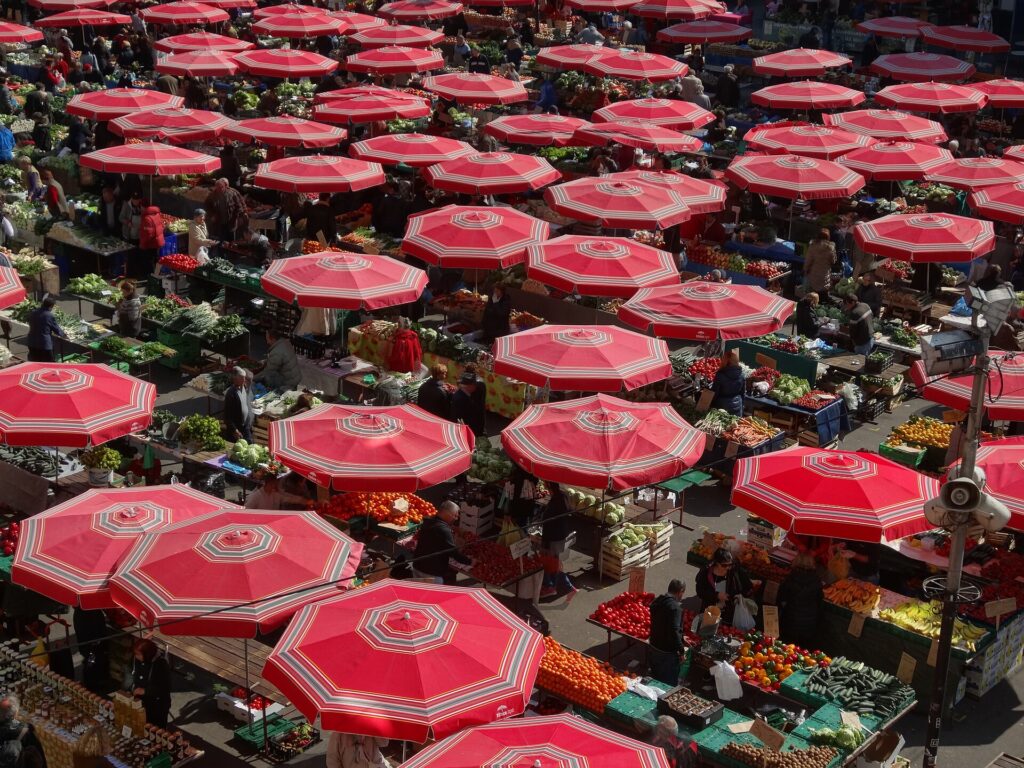
Just above the main square, Zagreb’s central market spreads under a sea of red parasols, with local farmers selling fruit, vegetables, flowers and cheese, and meat and fish halls below. It’s free to browse and at its best in the morning; many stalls pack up around lunchtime. Try the local fresh cheese with cream (sir i vrhnje), buy some fruit for the day, and don’t be shy about accepting a taste.
6. Zagreb Cathedral
The neo-Gothic cathedral with its twin spires dominates the skyline, but it was badly damaged in the 2020 earthquake and spent years closed for restoration. It has since reopened to visitors, but restoration work on the building is still expected to continue for years, so parts may be under scaffolding. Entry is free, and 20 to 30 minutes is enough. Dress modestly and avoid wandering around during mass.
7. Mirogoj Cemetery
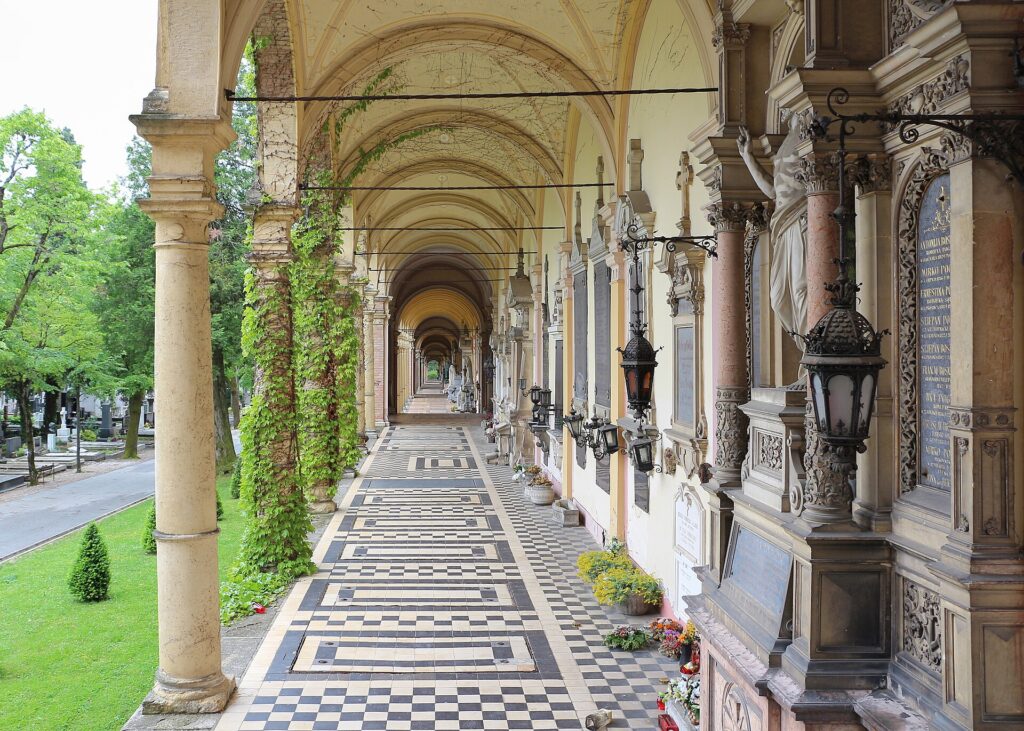
It may sound odd to put a cemetery on a list of things to do, but Mirogoj is one of the most beautiful in Europe: long ivy-covered arcades, green domes and graves of Croats, Serbs, Jews, Muslims and many others side by side, set in a park-like landscape. It’s free, open daily from early morning to evening, and 15 minutes by bus from the centre. Allow an hour and remember it’s a working cemetery. Autumn, with the leaves turning, is especially lovely.
8. Grič Tunnel
Built as an air-raid shelter during the Second World War, this long tunnel runs right under the Upper Town, linking the streets below it. It’s used as a shortcut, for exhibitions and occasionally for events, and it’s pleasantly cool on a hot August day. It’s free and takes ten minutes to walk through. Pair it with the Upper Town, and don’t expect a museum: the appeal is the space itself and the story behind it.
9. The Lower Town’s parks and museums
The “Green Horseshoe” is a U-shaped chain of squares and parks in the Lower Town, lined with grand buildings such as the Croatian National Theatre, the Art Pavilion and the Botanical Garden. Walking it is free. Along the way you’ll pass several museums worth your time on a rainy afternoon, and further west, the Nikola Tesla Technical Museum is a hit with families. Museums are paid; pick one and allow two hours.
10. Maksimir Park
Zagreb’s oldest public park is a large, romantic 19th-century landscape of woods, lakes, meadows and little pavilions east of the centre, with the city zoo inside. The park itself is free and an easy tram ride from Ban Jelačić Square. It’s where locals go for a Sunday walk, so it’s a good way to spend a relaxed morning away from the sights. The zoo is paid.
11. Medvednica and Sljeme
The forested mountain on Zagreb’s northern edge is the city’s playground for hiking in summer and, when there’s snow, skiing in winter. From the top at Sljeme you look out over the city and the plain beyond, and marked trails lead to mountain huts serving hearty food. Getting there is possible by public transport and cable car or on foot. It’s free to hike; allow at least half a day and bring layers, because it’s cooler up there.
12. Plitvice Lakes (day trip)
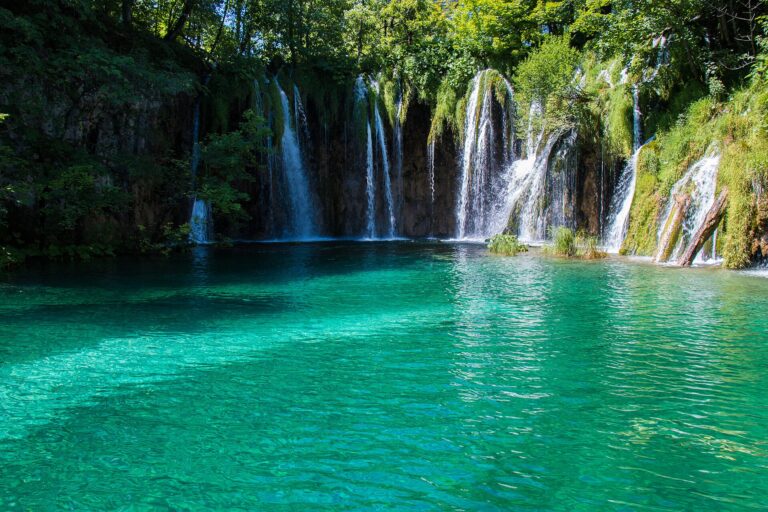
Croatia’s most famous national park, a chain of turquoise lakes linked by waterfalls and boardwalks, is roughly two hours’ drive from Zagreb. It’s paid, with prices that change sharply by season, and online tickets are tied to an entrance and time. Plan on a full day. There’s no train, so you’ll need a car, an intercity bus or a tour such as this Plitvice and Rastoke tour from Zagreb, which includes the park ticket. Read our verdict first: Are Plitvice Lakes worth it?
- Hour-by-hour itinerary for 3 days
- Google Maps list with every stop
- What to book in advance (and when)
- Works offline on your phone
Practical tips for visiting Zagreb
Best time to visit
Late April to early June and September to October are ideal: mild weather, open-air café terraces and good conditions for a Plitvice day trip. July and August can be hot, and many locals leave for the coast, which makes the city quieter. December is special because of Advent in Zagreb, when the centre fills with Christmas markets, lights and food stalls, and it has become a popular reason to visit in winter.
How many days do you need?
Two days is enough for the Upper and Lower Town, a museum, Dolac Market and Mirogoj. Add a third day for Plitvice Lakes, or a fourth if you’d like to hike on Medvednica as well.
Getting around
The centre is compact and most sights are walkable, with a short uphill section (or the funicular) to the Upper Town. Trams run by ZET cover the rest of the city, including Maksimir; buses go to Mirogoj and towards Medvednica. The official Zagreb Card is available for 24 or 72 hours and includes free public transport plus free entry to a number of attractions and discounts elsewhere. It’s worth it if you’ll visit several museums in a short time. If you mainly want to walk and eat, single tickets will do.
Where to stay
- Lower Town (Donji Grad): the most practical base, close to the main square, the train station and the trams.
- Around Tkalčićeva and the Upper Town: atmospheric and central, but check for weekend noise and steep streets.
- Near the main railway station: handy if you’re arriving or leaving by train or bus, and usually better value.
Frequently asked questions
Is Zagreb worth visiting?
Yes, for a day or two. It doesn’t have the coast’s beaches or big-name sights, but the Upper Town, the café culture, Dolac Market and Mirogoj make it a very pleasant city break, and it’s the best base for Plitvice Lakes.
How many days do you need in Zagreb?
Two days covers the main sights at a relaxed pace. Three days lets you add a day trip to Plitvice Lakes.
What time does the Grič cannon fire?
Every day at noon, from Lotrščak Tower in the Upper Town. The best spot to see and hear it is the Strossmayer Promenade next to the tower.
Can you do Plitvice Lakes as a day trip from Zagreb?
Yes. It’s the easiest way to visit the park without a car, and it’s much shorter than the trip from Split. Leave early, pick the right entrance and route, and expect a long but rewarding day.
Is the Zagreb Card worth it?
It can be if you combine public transport with several paid museums in 24 or 72 hours. For a slow visit focused on walking, markets and cafés, you’ll probably spend less without it.
Featured image: Photo: Nikolai Karaneschev, CC BY 3.0, via Wikimedia Commons