The Ukraine War: Is Western Coverage Politically Correct?


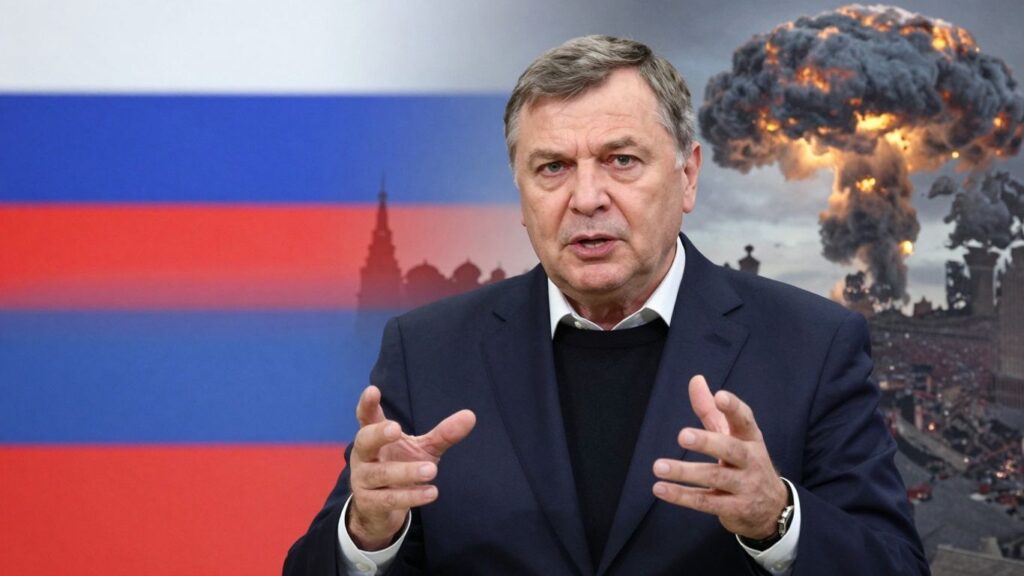
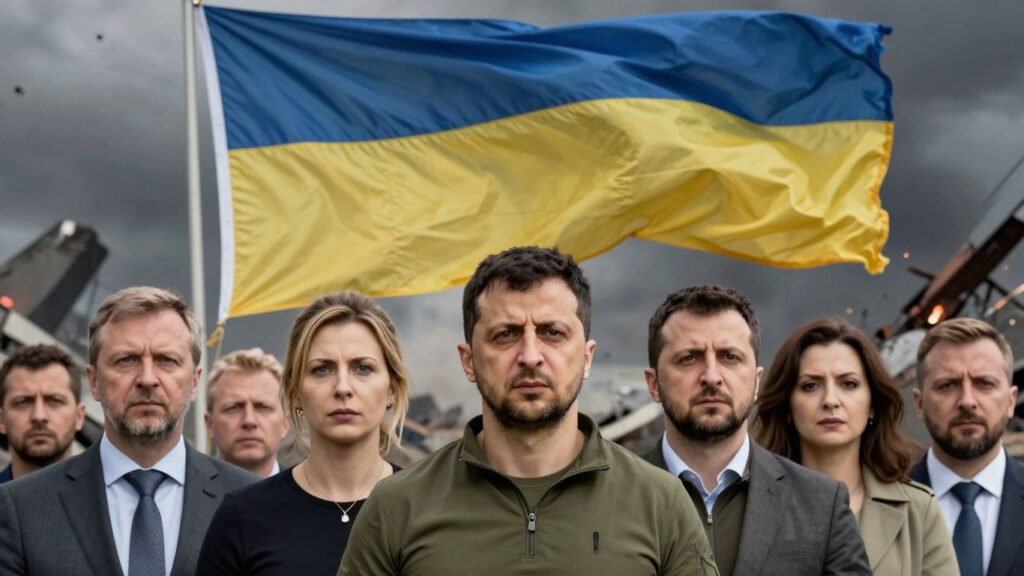
The current situation in Ukraine is a complex one, with escalating rhetoric from Russia, Ukraine, Europe, and the U.S. There’s a growing sentiment that Ukraine might be heading towards defeat, which could be seen as a major failure for NATO. As this outcome seems more likely, Western elites are already preparing for a "blame game." Europeans might point fingers at Trump for withdrawing support too late, while Trump could argue he supported Europe sufficiently and that the war was Biden’s responsibility.
Key Takeaways
- Western leaders and analysts are criticized for ignoring basic strategic logic, especially concerning NATO expansion and Russia’s predictable reactions.
- Mainstream figures often promote unrealistic ideas, like U.S. security guarantees for Ukraine, to stay within acceptable media discourse.
- Genuine strategic analysis about Ukraine or the Israel-Palestine conflict is largely excluded from mainstream platforms.
- Commentators who deviate from approved narratives risk losing their positions.
- The escalating rhetoric between the U.S. and Europe suggests a deep divide, potentially leading to a significant blame game as the war’s outcome becomes clearer.
The European Economic Strain
One of the major points discussed is the economic strain on European countries. Many of them are in worse shape economically now than when the war began in 2022. The German, French, and British economies are all facing serious trouble, with France and Britain dealing with significant debt problems. They’re struggling to find the money needed to support Ukraine without American economic help. This desperation has led to talk of seizing Russian assets, which is seen as opening a Pandora’s box.
Trump's Stance and European Leaders
Donald Trump’s approach to the conflict involves taking the U.S. out of the equation as much as possible. He’s not keen on spending more money on Ukraine and is willing to send weapons only if Europeans buy and ship them. This leaves Europeans to make up for the lack of American support, which they are finding increasingly difficult. Leaders like Macron are criticized for making statements that seem out of touch with reality. Even German Chancellor Scholz has expressed views that suggest Europe should be able to handle its own security without constant American involvement, while also stating that America needs partners like Europe.
The Inevitable Blame Game
It’s widely believed that at some point, the war in Ukraine will be lost, resulting in a significant defeat for NATO. When this happens, the blame game will begin. Europeans might blame Trump for pulling out at the last minute, claiming they had Russia on the ropes. Trump, on the other hand, will likely argue that it was Biden’s war and that he supported Europe. He’s already positioning himself by saying he was willing to provide weaponry if Europeans took the lead, using examples like secondary sanctions as a way he protected himself.
Mainstream Media Narratives
There’s a strong argument that mainstream figures, like General Jack Keane, push certain narratives because they have to, to stay within the boundaries of acceptable media discourse. Ideas like U.S. security guarantees for Ukraine or deploying American forces are presented, but the practicality is often ignored. It’s suggested that if commentators deviate from these approved narratives, especially regarding conflicts like Ukraine or Israel-Palestine, they risk losing their jobs. This creates a situation where genuine strategic analysis is excluded, and only politically acceptable viewpoints are heard.
Strategic Logic and NATO Expansion
Critics argue that Western leaders and analysts disregard basic strategic logic, particularly regarding NATO expansion and Russia’s predictable reaction. The idea that NATO expansion wasn’t a serious threat to Russia is seen as a violation of "Strategy 101." During the Cold War, NATO was a mortal threat to the Soviet Union, and it’s a powerful military alliance. It’s common sense that Russia would feel threatened by NATO expansion, especially with talk of Ukraine joining. While the Clinton administration acknowledged this downside and tried to manage it, later administrations adopted a view that they could do whatever they wanted without provoking a Russian threat.
The Istanbul Negotiations
Looking back, it’s noted that early in the war, there were opportunities for a negotiated settlement. The Istanbul negotiations, where Russia sought Ukraine’s neutrality regarding NATO, showed progress. President Zelenskyy was reportedly willing to consider a deal to end the war. However, it’s suggested that American and British influence, particularly from Boris Johnson, pushed Ukraine to walk away from these talks. This decision is seen as a fatal mistake, driven by the belief that Russia could be defeated and bled dry, rather than anticipating a long war with a Russian victory. It’s argued that Zelenskyy can’t easily reverse course now without new leadership in Ukraine.


Responses