Russia’s Inevitable Land Grab: Why Negotiations Are Doomed

It seems no matter what meetings are held or what deals are discussed, Russia is set to keep the Ukrainian territories it currently occupies. Western leaders keep pushing for terms that Russia has already rejected and will likely continue to reject, making the current negotiation framework seem unworkable.
Key Takeaways
- Russia is expected to retain occupied Ukrainian territories, regardless of diplomatic efforts.
- Western-proposed conditions for a ceasefire and security guarantees are unacceptable to Russia.
- Zelensky’s attempts to use elections as leverage for a ceasefire are seen as unrealistic.
- US "peace team" members are criticized for prioritizing business interests over diplomacy.
- Ongoing corruption scandals in Ukraine weaken Zelensky’s negotiating position.
The Paris Meeting: A Flawed Framework
A significant meeting is scheduled in Paris involving the United States, Ukraine, and European leaders to discuss the ongoing conflict. While the gathering itself is important due to the key players involved, the structure of the talks appears problematic. The Europeans are reportedly pushing for security guarantees and an unconditional ceasefire before any negotiations. This approach is seen as a non-starter for Russia, who would likely view it as merely a strategic pause rather than a genuine resolution.
Adding to the complexity, Russia has zero input into what Europe or the US might propose. This lack of direct Russian involvement in the discussions makes it difficult to see how any meaningful agreement could be reached.
Zelensky's Election Gambit
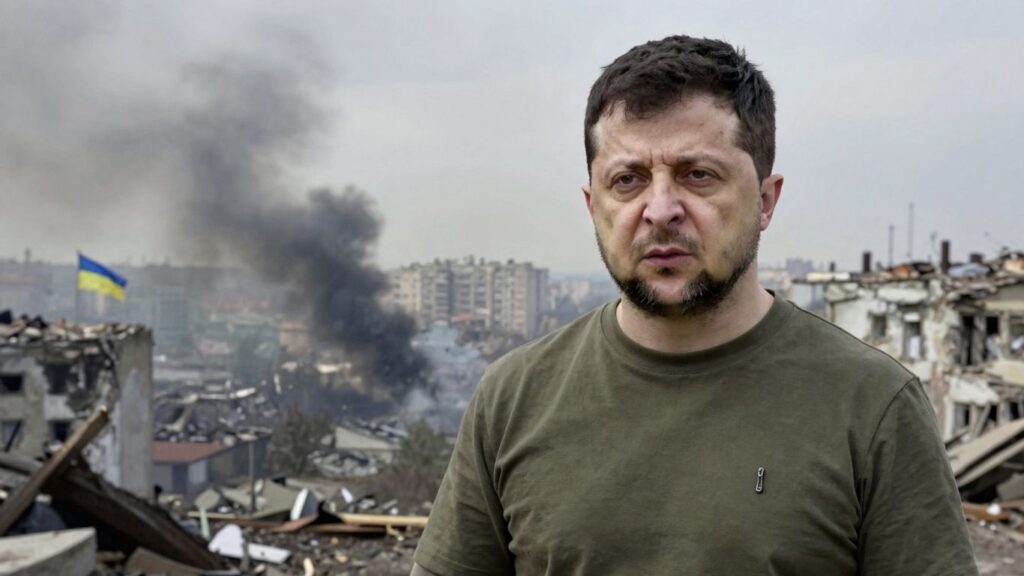
President Zelensky appears to be trying a new tactic, using the prospect of future elections as a bargaining chip. Following comments from Donald Trump questioning Ukraine’s democratic status and suggesting elections are due, Zelensky expressed willingness to hold them. However, he tied this to a security component, specifically a ceasefire during the election process. He’s essentially asking Trump to pressure Russia for this ceasefire, hoping to achieve an unconditional pause in fighting through this indirect route.
This move is viewed as a clever political game, but one with conditions unlikely to be met. Russia has made it clear they want a legally binding, documented agreement first. Furthermore, Zelensky’s standing to sign any major treaty is questioned, as he may not be considered the democratically elected or recognized head of state with the necessary authority.
The Business of Peace?
Concerns have been raised about the composition of Donald Trump’s informal "peace team." Instead of seasoned diplomats, the group reportedly includes business figures like Jared Kushner and others with significant financial stakes in Ukraine. This has led to speculation that the US motivation might be more about recovering investments – particularly in Ukraine’s "performing assets" now under Russian control – rather than achieving a realistic settlement. Western companies that lost access to these assets are reportedly pressuring the government, potentially fueling the proxy war.
Corruption and Weakened Leadership
Internal corruption scandals within Ukraine are also adding pressure on Zelensky. With key figures like Yermak and Mendic implicated, his position is further weakened. This internal turmoil makes him less confident and potentially more shaky in any negotiation. The ongoing corruption issues, coupled with questions about his legitimacy to sign treaties, paint a picture of a leader whose position is becoming increasingly untenable.
The Reality on the Ground
Despite the diplomatic maneuvering and media narratives, the situation on the ground suggests a different reality. Major Ukrainian towns are falling, and Russia continues to make strategic gains. Claims of massive Russian losses are met with skepticism, with prisoner and body exchange ratios suggesting a different picture. The focus on information warfare and propaganda, particularly from Western media outlets, is seen as a way to sell a narrative that doesn’t align with the battlefield facts.
Ultimately, the discussion points to a grim outlook: Russia is likely to secure the land it occupies, regardless of the ongoing talks. The structural mismatch between Western demands and Russian objectives, combined with internal Ukrainian pressures and questions about leadership legitimacy, makes a negotiated settlement incredibly difficult. The focus seems to be shifting towards a war of attrition, with Russia holding a favorable position in terms of resources and manpower.
Responses