Are Dubrovnik’s City Walls Worth It?

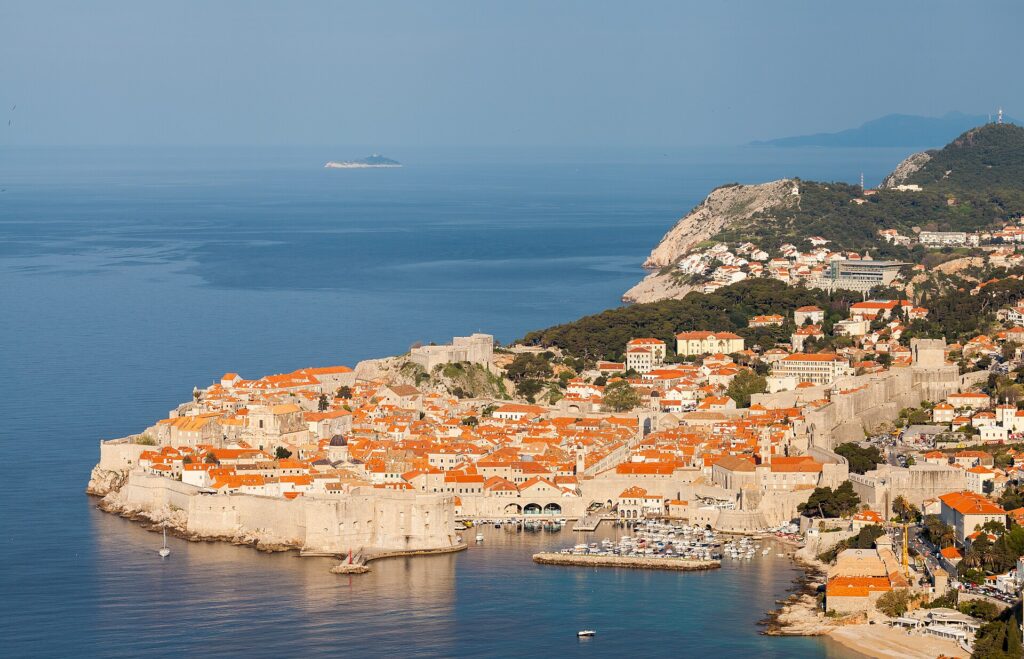
Short answer: yes, walking Dubrovnik’s City Walls is worth it, even at €40, provided you avoid the midday heat. No other viewpoint gives you the whole picture: terracotta roofs on one side, the Adriatic crashing against the rocks on the other and a complete loop around one of the best-preserved fortified old towns in Europe. It’s also exposed, steep in places and busy when the cruise crowds arrive, so timing decides whether this is a highlight or a sweaty slog.
Disclosure: this article contains links to GetYourGuide. If you book through them, People & Media may earn a small commission at no extra cost to you.
Key takeaways
- The walk is a 1,940-metre loop around the Old Town, and the views are genuinely unique.
- An adult ticket costs €40 at the time of writing, but it also includes Fort Lovrijenac, which many people skip without realising.
- There’s no shade: go at opening time or in the last hours before closing, especially from June to September.
- You can only walk one way (anticlockwise), and a ticket is valid for a single entry.
- No reservation needed, but buying online avoids the ticket-office queue at Pile Gate.
What makes the walls special
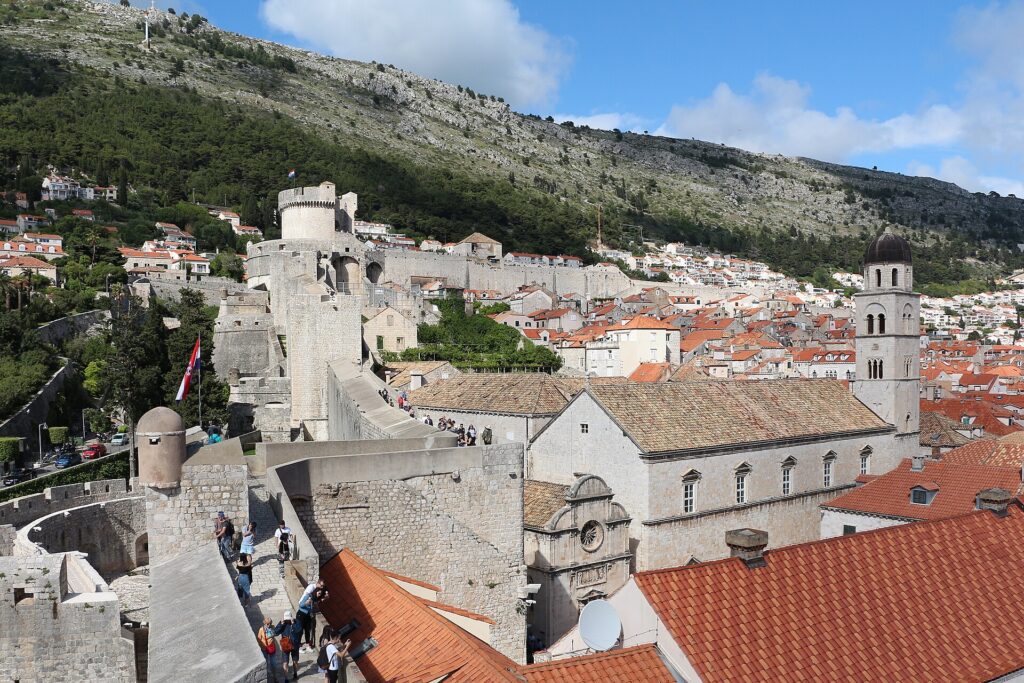
Dubrovnik’s walls were shaped in the 13th century and strengthened for centuries after, with the last bastion finished in 1660. They’re not just a wall but a complete defence system: according to the Society of Friends of Dubrovnik Antiquities, which manages them, it includes sixteen towers, three fortresses, six bastions and walls up to 25 metres high. Remarkably, the whole ring survived, which means you can walk the full circuit without coming down.
The walk itself is a sequence of changing scenes:
- The sea side: kayakers below, swimmers at the rocky bars built into the walls and views to Lokrum island.
- The city side: laundry lines, rooftop gardens, church domes and a basketball court squeezed between houses. It’s a rare look into everyday life inside the Old Town.
- The land side: higher and steeper, with Minčeta Tower, the highest point on the walls, looking out over the whole city and up to Mount Srđ.
If you only do one paid thing in Dubrovnik, most visitors (including us) would pick this.
The downsides nobody puts on Instagram
- Heat. The walls are pale stone with barely any shade. On a summer afternoon it’s properly hot, and there are only a few places to buy drinks along the way.
- Stairs. The route goes up and down constantly, with steep, uneven steps, particularly around Minčeta. The official site notes the heritage sites are difficult to access for people with disabilities.
- Crowds. When several cruise ships are in port, sections of the walls become congested. Because it’s one-way, you can’t just turn around.
- Price. €40 is expensive by Croatian standards, and it has risen repeatedly over the past decade.
Dubrovnik City Walls tickets and what’s included
Tickets are sold by the Society of Friends of Dubrovnik Antiquities at the entrances and through its official webshop (shop.citywallsdubrovnik.hr). At the time of writing, the official webshop lists:
| Ticket | Price | Notes |
|---|---|---|
| Adults | €40 | City Walls plus Fort Lovrijenac |
| Children 7 to 18 | €15 | Same inclusions |
| Children 6 and under | Free |
The City Walls ticket also includes free entry to the Western Outer Wall (closed in December, January and February) and the Collection of Coins of the Republic of Ragusa on Gundulić Square. Student discounts apply with a valid ISIC, European Youth Card or Croatian student card, and there are discounts for visitors with a disability card. Card payments are accepted at the ticket offices. Check the official website before you go, as prices can change by season.
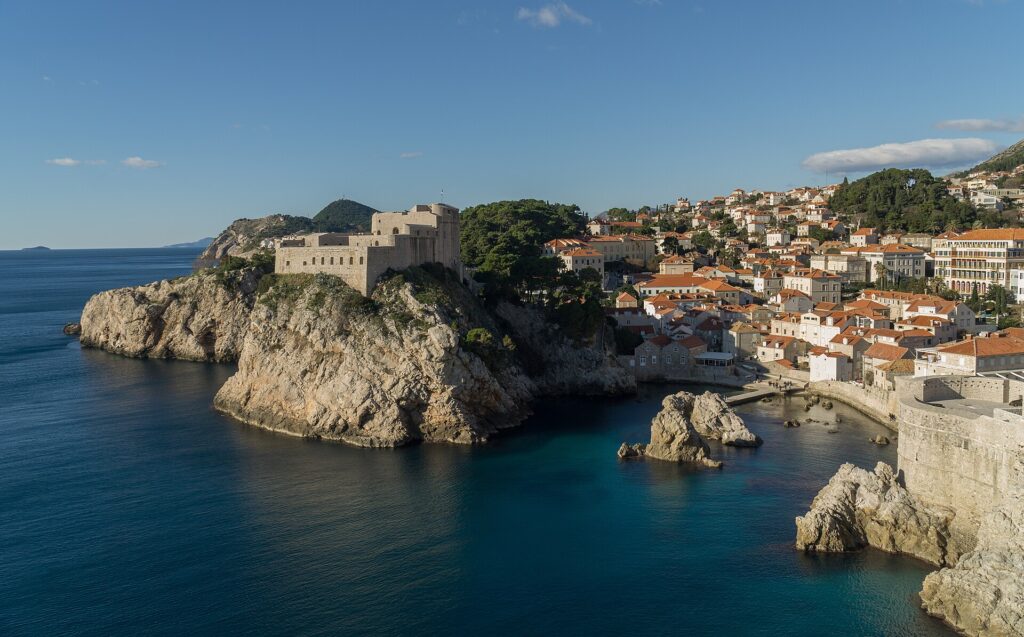
Don’t skip Lovrijenac. This separate fortress stands on a 37-metre rock just outside Pile Gate, and your walls ticket covers it. It gives you the best view of the walls and is less crowded. Game of Thrones fans will recognise it as a filming location for King’s Landing.
Where to enter and which way to walk
There are three entrances, and the circuit is one-way anticlockwise from all of them:
- Pile Gate, the main entrance, just inside the western gate of the Old Town. Most people start here, so it has the longest queues.
- Ploče, at the eastern side near Ploče Gate. Usually calmer, and a good choice if you’re staying east of the Old Town.
- St John’s Fortress, by the old harbour. The quietest entrance, handy if you want to start with the sea-side section.
Starting at Pile and walking anticlockwise, you tackle the sea-facing south side first and finish with the climb to Minčeta and the descent back to Pile. If you start at Ploče or St John’s, you’ll get the harder landward climb done earlier.
Remember that the ticket is valid for one entry only. Once you’ve left the walls, you can’t go back up, so use the toilets and buy water beforehand.
Walk on your own or join a tour?
The route is easy to follow, and the official FAQ confirms you don’t need a guide. The views speak for themselves. What you miss without context is the story: how a small merchant republic kept its independence for centuries with diplomacy and stone, what happened during the siege of 1991–1992, and which rooftops still show the newer, brighter tiles from post-war repairs.
Go alone if you want to take photos at your own pace and have read up a little beforehand.
Book a guided walk if you want the history explained, or you’d like a guide to time the visit for the quietest hours. Options worth comparing:
- City Walls tour for early birds: starts early to beat the heat and the cruise crowds.
- City Walls early morning or sunset walking tour: the golden-hour option, when the stone glows and the temperature drops.
- Dubrovnik City Walls walking tour: a classic guided walk around the full circuit.
How long does the walk take?
- About 1.5 hours: the full loop at a steady pace with a few photo stops.
- 2 to 2.5 hours: a relaxed walk with a drink stop and time at Minčeta. This is what most people need.
- Add an hour for Fort Lovrijenac, which is a short walk and a set of steps outside Pile Gate.
Tips for walking the walls
- Be there at opening time. The first hour is cooler, quieter and has the softest light for photos.
- Or go late. The official FAQ says the end of the opening hours is the last entry time, so a late start leaves you enough time for a sunset walk. Hours are shorter in winter; check the official website for the current times.
- Check the cruise ship schedule. Days with several large ships in port are noticeably busier, particularly mid-morning.
- Bring water, a hat and sunscreen. The Society itself recommends all three.
- Wear shoes with grip. The stone is polished smooth in places and slippery after rain.
- Don’t sit or pose on the edge. Climbing, leaning over and taking photos from the edge of the walls is forbidden under the code of conduct, and the drops are real.
- Buy the ticket online in advance if you’re starting at Pile Gate in peak season.
When the City Walls aren’t worth it
- You can only go at noon in July or August. The heat and crowds can turn the walk into an ordeal. Take the cable car up Mount Srđ in the evening instead for the big-picture view.
- You struggle with stairs or heights. There’s no step-free route and few places to rest. The view from Lovrijenac or a harbour-side café may suit you better.
- Your budget is tight. Wandering the Old Town’s free streets and squares, and looking back at the walls from the water’s edge outside Pile Gate, still shows you a lot of Dubrovnik’s beauty.
- You’re on a short cruise stop. With only a few hours ashore and everyone else from your ship heading the same way, a smaller Old Town walk may be more enjoyable.
Our verdict on Dubrovnik’s City Walls
Yes, the walls are worth it, and they’re the one Dubrovnik experience we’d recommend to almost every first-time visitor. Go very early or late, bring water, and make sure you use the same ticket for Fort Lovrijenac. If you’d like the story behind the stones or want someone else to plan the timing, compare Dubrovnik City Walls tours here.
📍 Planning a trip? See our guide: Things to Do in Dubrovnik
More honest “is it worth it?” guides
Frequently asked questions
How much does it cost to walk the walls of Dubrovnik?
At the time of writing, the official webshop lists €40 for adults and €15 for children aged 7 to 18, with children 6 and under free. The ticket includes Fort Lovrijenac. Check citywallsdubrovnik.hr for current prices.
How long does it take to walk the Dubrovnik City Walls?
Most people take between 1.5 and 2.5 hours for the full 1,940-metre circuit, depending on crowds, heat and photo stops.
Do you need to book Dubrovnik City Walls tickets in advance?
No reservation is required, according to the official FAQ. Buying online through the official webshop can save time queueing at the ticket office, especially at Pile Gate in summer.
What is the best time to walk the walls in Dubrovnik?
Right at opening time or in the late afternoon towards closing. Spring and autumn are more comfortable than midsummer.
Is the Dubrovnik City Walls walk difficult?
It isn’t long, but there are many steep steps, little shade and no step-free access. Anyone of average fitness can do it, especially in cooler hours.
Is Lovrijenac included in the City Walls ticket?
Yes. The City Walls ticket includes entry to Fort Lovrijenac, as well as the Western Outer Wall (except in winter months) and the coin collection on Gundulić Square.
Featured image: Photo: Diego Delso, CC BY-SA 3.0, via Wikimedia Commons



Responses