US Security Guarantees for Ukraine? Colonel Macgregor Weighs In

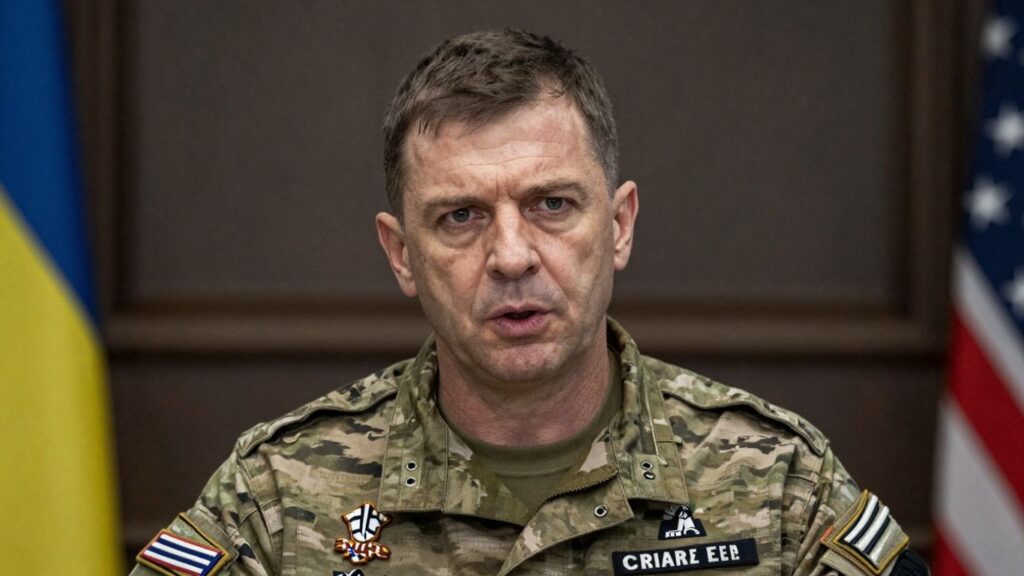
Judge Andrew Napolitano and Colonel Douglas Macgregor discuss the complex issue of potential US security guarantees for Ukraine, questioning their origin and feasibility in the current geopolitical landscape. They explore President Trump’s approach to Russia and the internal dynamics within NATO and the US.
Key Takeaways
- President Trump aims to normalize relations with Moscow, treating President Putin with cordiality.
- Western European globalists see the conflict as a fight for globalism against Russia.
- President Trump’s stance on a ceasefire shifted, recognizing Crimea as part of Russia and questioning NATO’s role in Ukraine.
- The CIA, MI6, and Mossad are seen as forces working against President Trump’s initiatives.
- Western European leaders in NATO and the EU favor continued conflict with Russia to maintain their power.
- The idea of "land swaps" was discussed, with potential flexibility from Russia regarding territory in Kherson and Zaporizhzhia, but not Crimea or the eastern oblasts.
- Ukrainian President Zelenskyy’s stance is that nothing will be given up, potentially allowing President Trump to disengage.
- The concept of US security guarantees for Ukraine is questioned, with suggestions for a more neutral, Austrian-like model.
- There’s a strong sentiment that US troops should be withdrawn from Eastern Europe.
Trump’s Approach to Russia and European Dynamics
Colonel Macgregor believes President Trump desires to normalize relations with Moscow, contrasting his approach with that of his predecessor. He notes that Trump treats President Putin with cordiality and sees potential for cooperation on multiple levels – economic, political, military, and diplomatic. However, this is complicated by what Macgregor calls a "rogue state" in Kyiv and the influence of globalists in Western Europe who view the situation as a battle for globalism against Russia. Trump, on the other hand, appears to support a strong, nationalist Russia rooted in Orthodox Christianity and wants to do business with them, seeing them as potential strategic partners. The President feels constrained in how far he can go, leading to meetings with European leaders to gauge what he can realistically achieve.
Shifting Stances and Internal Resistance
Before a key meeting, President Trump expressed anger at the lack of a ceasefire, but by the end of the conference, he indicated he no longer favored one, understanding it wasn’t realistic. He now recognizes Crimea as part of Russia and believes NATO has no place in what remains of Ukraine. Macgregor attributes this significant shift to President Trump potentially receiving a lecture from President Putin on the causes of the conflict, a perspective he hadn’t heard from the neoconservatives accompanying him. This raises questions about whether figures like General Kellogg and the neocons are being sidelined. Macgregor warns that the CIA, along with MI6 and Mossad, are arrayed against Trump and that he must carefully follow up on any orders issued, as the CIA is deeply involved and will act according to its own agenda unless Trump makes it clear that disobedience will not be tolerated.
NATO’s Role and European Leaders’ Motivations
Macgregor suggests that President Trump understands that ending the conflict could split NATO. He points out that the Western European globalists running NATO and the EU are in favor of perpetual war with Russia. Their motivation, he argues, is self-preservation; if the conflict ends and European electorates realize they’ve been lied to, these governments might not last. They are afraid of this outcome and are not particularly concerned about Ukraine or global peace, but rather about staying in power. They fear that if the conflict ends, people will question why they were dragged into it and why their economies were de-industrialized. Macgregor believes this situation will inevitably lead to the dissolution of NATO, despite the expected outcry that it cannot be lived without.
The Deep State and Intelligence Agencies
President Trump is expected to face significant resistance not only from Western European leaders but also from the "deep state." Macgregor highlights the CIA’s deep involvement, noting the establishment of numerous CIA stations in Ukraine during both the Trump and Biden administrations. He also mentions MI6 directing Ukrainian military operations. These intelligence agencies are unlikely to simply cease their activities. Macgregor expresses doubt about the current CIA director, Ratcliffe, being of much help to Trump, suggesting he is a prisoner of the intelligence community, as well as various lobbies like the Israel lobby and the defense lobby. He also points to the generals who have advised Ukraine, leading to significant Ukrainian soldier casualties in operations that Macgregor deems pointless. He recalls Trump’s earlier desire to withdraw from Syria, only to find that no one had left, with an ambassador even taking credit for lying to the president and ignoring his orders. Macgregor believes Trump needs to understand that simply issuing orders won’t change things and that he must be prepared to enforce them.
The "Land Swap" Discussion and Ukrainian Stance
A peculiar phrase that emerged from a meeting was "land swaps." Macgregor interprets this to mean there might have been some flexibility on the Russian side regarding territory in Kherson and Zaporizhzhia that could be conceded to Ukraine as part of an arrangement. However, he stresses that Crimea and the eastern oblasts are officially part of Russia and not open for discussion. The problem, he notes, is the Ukrainian president’s stance that nothing will be given up. This position, Macgregor suggests, gives President Trump an opportunity to step away from the situation, stating that Ukraine is on its own and that he has done all he can. He believes the Russians are not being unreasonable and are open to change, but if Ukraine and its European supporters refuse to talk, Trump should not go along with it.
The Ukrainian Nationalist Faction
Many military veterans and analysts believe that President Zelenskyy is not free to make his own decisions and is controlled by a group of "arch nationalists" who are driven by ideology rather than reality. Macgregor questions whether this group recognizes the precarious state of the Ukrainian military. He thinks they might believe they can survive by refusing to negotiate or give anything up, possibly assuming the Russians won’t advance further into Kyiv. Macgregor disagrees with this assessment, believing they are wrong. He draws a parallel to the end of the Gulf War in 1991, where Saddam Hussein celebrated after being told coalition forces would not cross the Euphrates River. Macgregor suggests that the Ukrainian nationalist faction operates under a similar assumption: if they refuse to negotiate, the Russians won’t push further, and they will somehow get away with it.
Security Guarantees: A Non-Starter?
The concept of "security guarantees" for Ukraine, particularly those that might include the United States but not NATO, is met with skepticism. Macgregor argues that the President of the United States should not guarantee anything over which the US has no actual control or influence, especially given the uncertainty of Zelenskyy’s actions. He hopes President Trump will reconsider such guarantees. Macgregor views NATO as a "dead man walking," an empty facade that would collapse without US military support. He believes Ukraine has never been a strategic priority for NATO and should be abandoned. Instead, he suggests that neighboring countries with a direct interest in peace in Ukraine should negotiate a new relationship with Moscow directly, with US support and assistance, but not guarantees from afar.
A Neutral Ukraine and US Troop Withdrawal
Macgregor advocates for a neutral, Austrian-like Ukraine. He believes President Trump should understand that Vladimir Putin would not accept security guarantees with any foreign troops on the ground in Ukraine. Trump’s guarantee, if any, should be that the US will not push forces further east and will establish lines beyond which joint exercises will not be held. He suggests agreements on actions in the Baltic and Black Seas, similar to how the US views the Caribbean. However, guaranteeing the independence of a post-war Ukrainian state that Russia would not accept is seen as unrealistic. Macgregor fears that the "neocons" are not defeated and will continue to influence policy, citing President Trump’s comments about not ruling out troops on the ground as a concern. He emphasizes that the concept of a security guarantee, as currently discussed, must be a non-starter for the Russians.
Public Opinion and the Path Forward
Macgregor believes President Trump knows that the current approach to security guarantees is problematic. He warns of opposition from certain senators and advisors surrounding Trump. However, he points to the good news: the American public overwhelmingly supports an end to endless overseas conflicts. If Trump were to travel and speak with people across the country, he would find widespread support for disengaging from these conflicts and focusing on domestic issues. Macgregor urges Trump to listen to his voters rather than the voices of "derision" in Washington. He also notes that normalizing relations with Moscow could be beneficial for resolving the situation in the Middle East, though Trump faces opposition on ending conflicts there as well.
Looking Ahead: A New National Conversation
Judge Napolitano and Colonel Macgregor discuss an upcoming panel event in Dallas, Texas, on October 4th. This event, featuring themselves, Natalie Brunell, and Dr. Olga Ravazi, aims to foster a new national conversation about these critical issues, encouraging interaction with the audience. They hope to move beyond the typical political discourse and engage people in a meaningful dialogue about foreign policy and its impact.

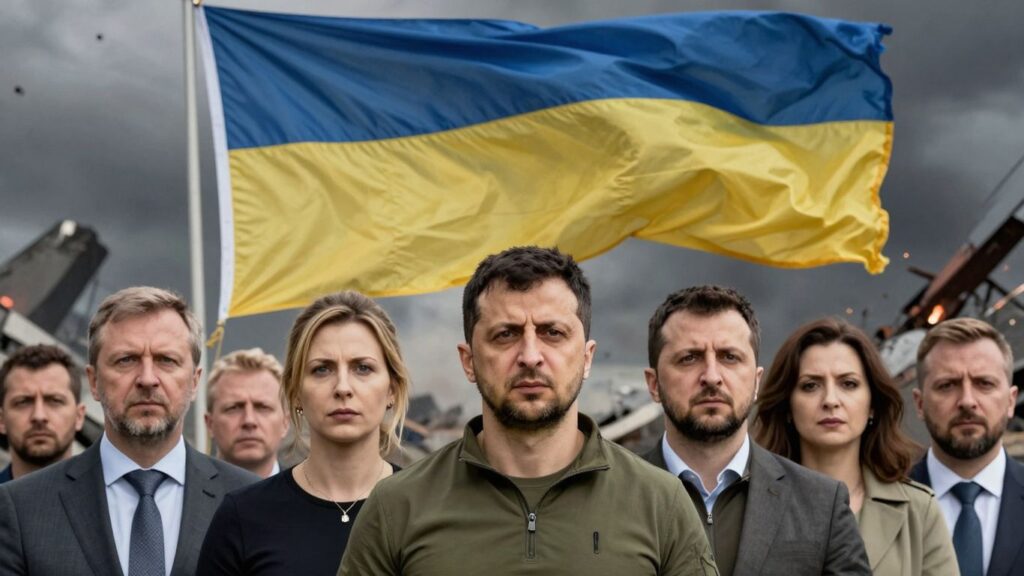
![[Douglas Macgregor] with crumbling NATO flag, smoke in background.](https://www.peopleandmedia.com/wp-content/uploads/2025/12/09541ab1thumbnail-1024x576.jpeg)


Responses