Douglas Macgregor: NATO Lost the War – Empire of Lies Collapses


Douglas Macgregor, a retired Colonel and former senior advisor to the U.S. Secretary of Defense, argues that NATO has lost the war in Ukraine. He believes the consequences will be the exposure of lies and the political disintegration of NATO. This situation, he contends, is a direct result of a Western "empire of lies" built over the past three and a half years to justify a destructive conflict at Ukraine’s expense.
Key Takeaways
- The Ukrainian military is falling apart, with senior officers and thousands of soldiers surrendering.
- There are discussions within Ukraine about removing President Zelensky and his government.
- Western narratives about the war are becoming unsustainable as reality sets in.
- The Austrian State Treaty model, focusing on neutrality and non-alignment, is presented as a potential alternative for European security.
- European politicians are increasingly using war rhetoric, possibly to cling to power rather than reflecting genuine belief.
- There is a lack of public appetite in Europe for a direct war with Russia.
- The potential for Ukrainian soldiers to turn on European governments that pressure them to fight is a concern.
- The disintegration of the European Union and NATO is seen as inevitable.
- The U.S. is not prepared for a conventional war with Russia and has become too entangled in European affairs.
- Regional security alliances based on common interests are likely to emerge in Europe.
- The average American citizen is largely disengaged from NATO and focused on domestic issues.
- The current U.S. political elite is described as a "globalist" class focused on financialization rather than national interest.
The Crumbling Empire of Lies
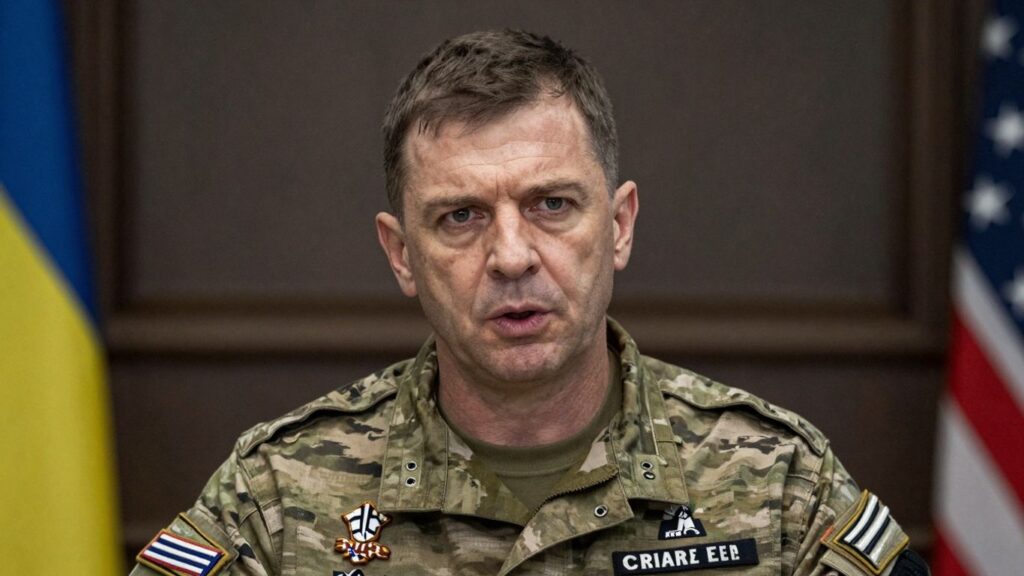
Colonel Macgregor asserts that the narrative surrounding the Ukraine war, constructed by the West, is beginning to crumble. He points to the disintegration of the Ukrainian military, with reports of senior officers and thousands of soldiers surrendering. There’s even talk, he notes, of Ukrainian troops turning on Kyiv to oust President Zelensky and his government. This reality, Macgregor believes, is becoming too difficult for even the most skilled propagandists in Washington, London, Paris, or Berlin to hide from the public.
He suggests that fanciful ideas about achieving peace through U.S.-brokered agreements are no longer realistic. Instead, events are outpacing the West’s ability to control the narrative. Macgregor draws a parallel to the Austrian State Treaty of 1955, which involved Austria divorcing itself from NATO and committing to neutrality. He believes this approach, focused on security and stability without deterrence, was effective and could offer a model for rethinking European security arrangements.
The core of his argument is that the "empire of lies" is collapsing. Politicians who have benefited from maintaining the fiction of a war against an aggressive Russia are seeing their positions vanish. Macgregor states that Russia has never been interested in war with the West. The real question, he argues, is what America’s interests truly are, suggesting that restoring good relations with Moscow is paramount for European security.
European Rhetoric and Reality
While Washington may be adjusting to new realities, Macgregor observes that Europe seems to be heading in the opposite direction. Instead of de-escalating rhetoric and preparing for a post-war settlement, European leaders are increasingly talking about direct war with Russia. He notes statements from Germany, the UK, and France about preparing for conflict, despite the lack of clear definitions of what such a war would entail or what victory would look like against a nuclear power.
Macgregor dismisses this war rhetoric as a means for "globalists" in power to cling to their positions. He argues that admitting the war in Ukraine is lost and focusing on domestic economic recovery would lead to their removal. The populations, he believes, do not want a war with Russia, and the lack of volunteers for military service across Europe supports this view.
He criticizes figures like Annalena Baerbock, the German Foreign Minister, for suggesting the war will end only when Russians leave Ukraine, calling such statements foolish and a laughingstock. Macgregor predicts that these governments will eventually collapse under the weight of their own lies, without Russia needing to take further action.
The Future of Ukraine and Europe
Macgregor questions the logic of anyone wanting to take over territory in Europe today, especially Western Ukraine, given the enormous burden and lack of advantage. He suggests that a map proposed by Dmitry Medvedev, which involves parts of Western Ukraine being annexed or confederated with Poland, might become a more appealing outcome if it helps push Ukrainians back into Ukraine.
He sees the disintegration of the European Union and NATO as inevitable. Macgregor points to a statement by Senator Marco Rubio criticizing Europeans for complaining about potential U.S. military action in Venezuela while being happy to see U.S. weapons used against Russians in Ukraine. He labels both situations as part of the "empire of lies," arguing that neither Venezuela nor Ukraine represents a vital strategic interest for the United States.
The Europeans, along with some in Washington, saw the Ukraine war as an opportunity to weaken Russia. Macgregor believes they will pay a price for this, and attempts to seize Russian central bank assets will likely fail. He describes Ukraine as an "organized crime state" and suggests that the sooner the war ends, the less likely Europeans are to take the risks associated with seizing Russian money.
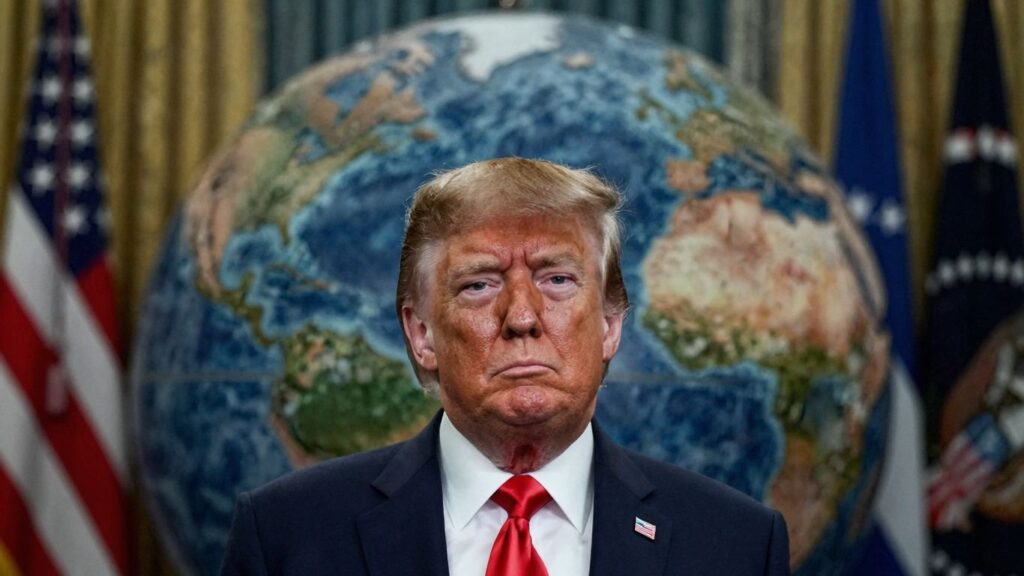
He believes that the map proposed by Medvedev is the most likely outcome because Russia has an interest in stability in Ukraine and wants to return to normal commercial relations with Europe. Macgregor also criticizes Donald Trump’s approach, suggesting that while Trump wants to be seen as the peacemaker, his actions have aligned him with the very people he condemned.
NATO's Inevitable Decline
Macgregor is skeptical about Germany’s ability to build a military capable of fighting Russia from scratch, calling the idea "absurd." He notes that it takes a decade to build a military establishment and that Russia is better prepared for future warfare than the West. He contrasts the current situation with 1815, when Germans eagerly volunteered to fight Napoleon due to direct invasion and plunder, a sentiment he sees as absent today.
He argues that the Russian army today bears no resemblance to the Soviet armies of World War II and has not behaved similarly. Macgregor believes there is no groundswell of support in Europe to fight Russia. Instead, he anticipates a growing movement to expel foreigners, including Ukrainians, Turks, Arabs, and Africans, who he believes will not assimilate and are changing Europe.
Regarding NATO’s future, Macgregor believes its disintegration has already begun and will become official in the coming months. He echoes Charles de Gaulle’s sentiment that "Americans do not live in Europe," leaving Europe to the Europeans. He foresees the emergence of regional security alliances based on common strategic, cultural, racial, and religious interests, as differing perspectives across Europe make a unified bloc impractical.
He cites Dwight D. Eisenhower’s view that NATO should have failed within 10 years, as the U.S. mission was to promote productivity and peace, leading to its eventual withdrawal from Europe. Macgregor argues that the U.S. has treated Europe as part of its empire, similar to how the Romans viewed Greek city-states. He believes that any U.S. intervention in a total war with Russia would only serve to destroy Europe.
Macgregor suggests that if the U.S. wants to temporarily suspend NATO’s dissolution, it should step back from leadership roles, allowing Europeans to forge their own security relationships. He criticizes Washington for being reactionary and clinging to its empire, comparing it to Austria-Hungary rather than a cohesive state like Prussia. He believes the U.S. is more focused on managing internal divisions and challenging perceived threats to its dominance than on its own national interests.
The American Perspective
Macgregor distinguishes between average Americans and the "elite class of globalists" ruling the U.S. He states that most Americans are disengaged from NATO and focused on domestic issues, feeling betrayed by a political system that doesn’t address their economic struggles. He notes that the average citizen feels there’s little difference between Democrats and Republicans, leading to a sense of powerlessness.
He criticizes the elite, citing figures like Jared Kushner and Avi Witzoff, who he claims operate outside official government structures, negotiating on behalf of the U.S. He finds it absurd that individuals without official positions are involved in such dealings, especially when Witzoff is reportedly advising Russians on how to persuade Donald Trump.
Macgregor dismisses the idea of Russia being a permanent enemy, suggesting that such black-and-white thinking is driven by donors rather than national interest. He references George Kennan’s argument that the U.S. shouldn’t be involved in places the average American can’t identify on a map, advocating for a return to the original concept of doing business with everyone without military entanglement.
He concludes that the "empire of lies" constructed by Washington and its allies is crumbling. This disintegration, he believes, extends to Washington D.C. itself, as its actions are not based on rationality or national interest. He argues that as economic conditions worsen, questions about these actions will arise, leading to the downfall of those providing false answers.
Macgregor sees the current situation as the beginning of the end not only for NATO and the EU but also for the current state of affairs in Washington. He believes the U.S. is not in a position to offer rational solutions and that the focus should be on domestic issues rather than foreign interventions.

Responses