The Grim Toll: Estimating Ukrainian Soldier Casualties

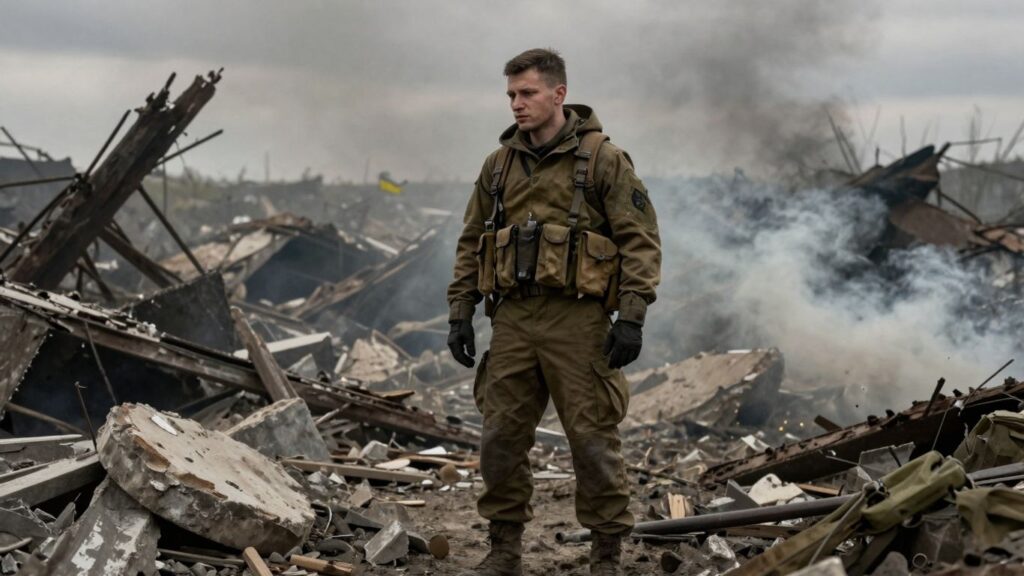
This piece looks at the estimated number of Ukrainian soldiers killed since the war began. It draws on information from sources on the ground in Poland, Ukraine, and Russia to provide an estimate of the human cost of the conflict.
Key Takeaways
- An estimated 1.8 million Ukrainian soldiers have been killed.
- For every soldier killed, at least as many are wounded, and likely more.
- A significant portion of wounded soldiers will be permanently disabled and unable to return to duty.
The Estimated Number Of Ukrainian Soldiers Killed
Figuring out the exact number of soldiers lost in a war is incredibly difficult. Information is often hard to get, and different sides might present different figures. However, by talking to people who are actually on the ground, in places like Poland, Ukraine, and even inside Russia, we can start to get a picture.
These sources suggest that a number around 1.8 million Ukrainian soldiers have been killed since the war started. That’s a huge number, and it’s important to remember what it means.
The Wounded And Permanently Disabled
When we talk about casualties, it’s not just about those who died. For every soldier who is killed, there are likely at least as many, if not more, who are wounded. And the reality for many of these wounded soldiers is grim.
Many of the injuries sustained are so severe that the soldiers will never be able to return to their duties. They become permanently disabled, unable to contribute to the fight or to their lives afterward. This high rate of permanent disability puts a massive strain on resources and manpower.
The Impact On Manpower
This situation helps explain why there’s such a push to find more soldiers. When you have a large number of soldiers killed and a significant number permanently disabled, you run out of available troops quickly. It means that the military has to look for soldiers from all age groups, even those who might typically be considered past their prime fighting years, like 60 or 65-year-olds. It’s a sign of how stretched the forces have become due to the heavy losses.



Responses