The Dangerous Endgame: Russia, NATO, and the Escalating Proxy War

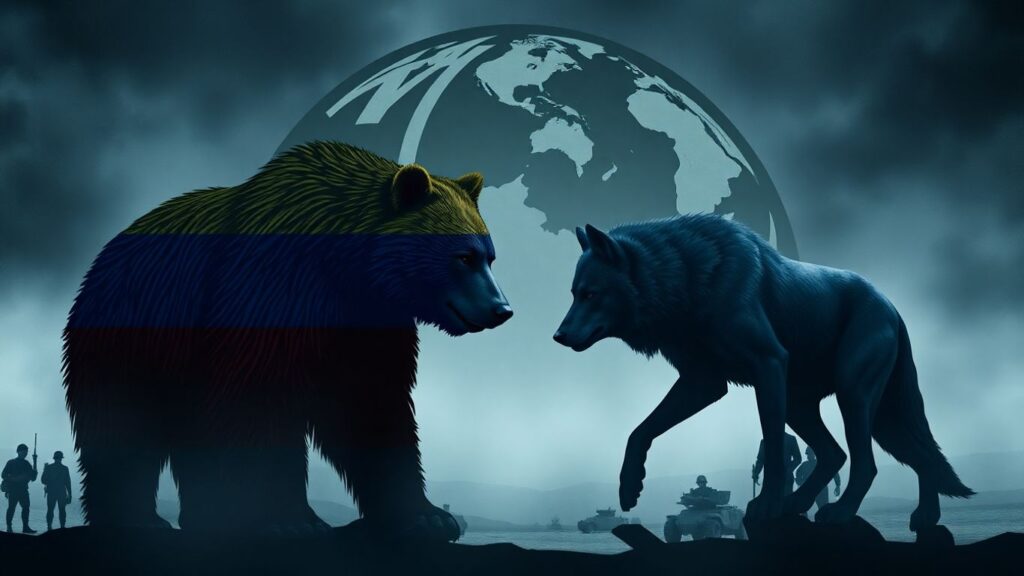
Stanislav Krapivnik, a former US Army officer now living in Russia, offers a unique perspective on the current geopolitical landscape, particularly the complex relationship between NATO and Russia. His insights, shaped by his experiences on both sides, suggest that Western misunderstandings of Russia could lead to dangerous escalations.
Key Takeaways
- Western perceptions of Russia are often based on flawed assumptions, leading to miscalculations.
- Russia’s responses to perceived threats are not always predictable and can be more forceful than anticipated.
- The conflict in Ukraine is not a simple proxy war but a deeply complex geopolitical struggle with historical roots.
- The West’s approach to diplomacy and conflict resolution with Russia has been largely ineffective.
- Escalation dynamics between NATO and Russia are poorly understood, increasing the risk of unintended consequences.
Misunderstandings and Miscalculations
Krapivnik highlights how Western nations often view Russia through a lens of their own cultural and political frameworks, failing to grasp Russia’s distinct worldview. This disconnect, he argues, is a primary driver of the current tensions. He points to the situation in Georgia as an example, where protests, seemingly organic, were in fact influenced by international actors and professional protesters, a tactic that doesn’t align with genuine local sentiment.
He notes that the West often presents a binary choice: either align with NATO policies or be considered pro-Russian. This black-and-white approach leaves little room for nuanced diplomacy and pushes countries into difficult positions. Georgia’s attempt to maintain a middle ground, seeking EU membership while avoiding direct confrontation with Russia, was met with pressure and accusations of being "Putinists."
The Ukraine Conflict: A Deeper Look
The discussion then shifts to the conflict in Ukraine. Krapivnik challenges the notion that it has been a three-and-a-half-year war of attrition from the start. He suggests the initial phase involved a rapid Russian advance, intended to secure territory and potentially force a political settlement. He also brings attention to what he describes as Ukrainian shelling of Donbas regions prior to the full-scale invasion, and the build-up of Ukrainian forces on the borders, aiming to crush rebel territories.
Krapivnik details the evolution of the conflict, including the initial Russian military strategy, the challenges faced in urban warfare, and the subsequent reorganization of the Russian army. He emphasizes that the West often overlooks key events, such as the destruction of Ukrainian diversionary and reconnaissance groups within Russia, which he believes were part of a larger plan to create a crisis inside Russia.
The Escalation Ladder and Its Dangers
A significant portion of the conversation revolves around the concept of escalation. Krapivnik argues that NATO and Russia have fundamentally different approaches to escalation. While NATO tends to employ incremental steps, gradually increasing its involvement, Russia, he suggests, is more like a compressed spring. When pushed too far, its response can be a sudden, large-scale escalation, driven by built-up anger and a sense of existential threat.
He uses the example of Crimea’s annexation, which the West viewed as an overreaction, but which Krapivnik frames as a response to years of incremental pressure. This difference in escalation dynamics, he warns, is a major source of misunderstanding and could lead to a dangerous miscalculation, where one side expects a measured response and receives a far more forceful one.
The Economic and Cultural War
Beyond the military aspects, Krapivnik touches upon the economic and cultural dimensions of the conflict. He criticizes Western sanctions, arguing they have inflicted more self-harm on European economies than on Russia. Russia, he explains, has been actively pivoting east, diversifying its economic ties with countries like China, a process that was already underway before the current conflict.
He also discusses the historical and cultural differences that fuel the West’s animosity towards Russia. This deep-seated, almost genetic, hatred, he contends, prevents genuine understanding and drives a cycle of conflict. The West’s attempts to impose its own model on Russia have consistently failed, leading to further resentment and a strengthening of Russian identity and resolve.
The Future Outlook
Krapivnik expresses pessimism about the current trajectory, suggesting that Europe is engaging in self-harm by cutting itself off from Russian resources. He believes that Russia, having weathered the initial storm of sanctions and military pressure, is now on a stronger footing, with a population united by a sense of national pride and a rejection of Western influence. The West, he concludes, is misreading the situation, failing to grasp the depth of Russian resolve and the potential for a much more severe response if pushed too far. The ongoing conflict, he implies, is not just a territorial dispute but a clash of civilizations with potentially devastating consequences.
Responses