Russia’s Unwavering Stance: What’s Next for Ukraine?

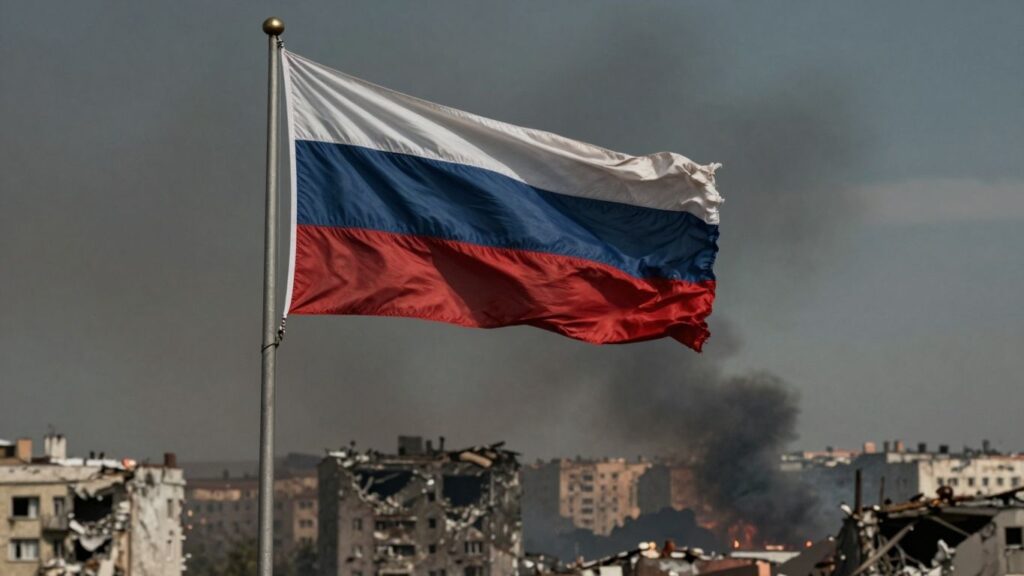
Russia is holding firm on its long-standing negotiating positions regarding the Ukraine war, which have remained consistent since at least 2021. In contrast, Europe opposes negotiations and favors continuing the war, while the Trump camp’s stance appears to shift. Recent Moscow discussions involving Steve Witkoff and Jared Kushner were not actual peace negotiations but rather a message-delivery meeting to make clear to Donald Trump that Russia’s core demands are non-negotiable. Notably, Ukraine and Europe were not included, underscoring that Moscow views them as irrelevant until Ukraine elects what Russia considers a legitimate government.
Key Takeaways
- Russia’s core demands for ending the Ukraine conflict are non-negotiable.
- Europe favors continuing the war over negotiations.
- The Trump administration’s position on the conflict appears to be shifting.
- Moscow considers Ukraine and Europe irrelevant to current discussions.
- Russia views the conflict as an existential security issue.
Russia’s Non-Negotiable Demands
Russia has made its core demands clear, and they haven’t changed much since 2021, or even 2015 if you go back that far. These aren’t just starting points for talks; they are firm requirements. Putin himself has stated that if these terms are rejected, any future offers will be even tougher. The recent meetings in Moscow with figures like Steve Witkoff and Jared Kushner weren’t about hammering out a peace deal. Instead, they served as a way for Russia to deliver a message directly to Donald Trump: their core demands are set in stone.
It’s telling that neither Ukraine nor any European representatives were present at these discussions. This signals that Moscow doesn’t see them as relevant players at this stage. The focus is on conveying Russia’s position to the U.S., particularly to Trump, making it clear that concessions on these key points are not on the table.
The Pillars of Russia’s Position
So, what exactly are these non-negotiable demands? They’ve been stated publicly by Putin and others, and they form the bedrock of Russia’s stance:
- Territorial Control: Permanent Russian control over Crimea, Donetsk, Luhansk, Kherson, and Zaporizhzhia. Russia considers these regions permanently part of Russia and has no intention of relinquishing them.
- Legitimate Ukrainian Government: Ukraine must have a legally elected government. In Russia’s view, neither Volodymyr Zelenskyy nor Valerii Zaluzhnyi currently qualifies as legitimate leaders.
- No NATO in Ukraine: A complete absence of NATO presence within Ukraine.
- Ukrainian Neutrality and Demilitarization: Ukraine must adopt a neutral stance, be demilitarized, and undergo "denazification."
- Withdrawal of Forces: Ukrainian forces must fully withdraw from the regions that Russia now claims.
Russia views these demands as matters of existential security, not as bargaining chips. The message is clear: these are the terms, and there’s no room for compromise on them. The West, according to analysts, needs to understand this inflexibility. Russia is prepared to achieve its objectives either through diplomacy or military means.
The "End of the Beginning"
Given this firm stance, the current discussions aren’t being seen as the start of the end of the war. Instead, they are characterized as the "end of the beginning." This phase is about setting the groundwork and framework for how any genuine negotiations might eventually take place, but only if Ukraine meets Russia’s preconditions. The absence of Ukraine and Europe from these talks highlights their current perceived irrelevance in Moscow’s eyes until these preconditions are met.
Europe’s Role and Shifting Dynamics
While Russia remains steadfast, Europe’s position seems to be centered on continuing the war rather than pursuing negotiations. This contrasts with Russia’s clear demands. The Trump administration’s stance, on the other hand, appears more fluid, making it difficult to pin down a consistent position. This dynamic adds another layer of complexity to an already intricate geopolitical situation.
Analysts suggest that the West may be misinterpreting Russia’s intentions, perhaps believing that Russia is open to compromise when, in reality, the demands are presented as final. The military and economic situation is seen as having shifted dramatically, placing Russia in a stronger position to push its agenda. The focus now is on how these non-negotiable demands will shape the future of the conflict and any potential path toward a resolution.




Responses