Description
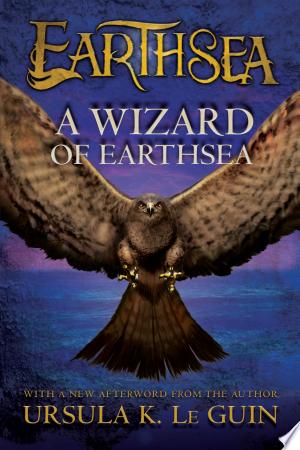
A boy grows to manhood while attempting to subdue the evil he unleashed on the world as an apprentice to the Master Wizard.
- Author: Ursula K. Le Guin
- Publisher: Houghton Mifflin Harcourt
- Published: 2012
- Pages: 267
- ISBN-13: 9780547851396
€9.95
A boy grows to manhood while attempting to subdue the evil he unleashed on the world as an apprentice to the Master Wizard.
| Author | Ursula K. Le Guin |
|---|
Aggregated insights from reviews and discussions across the web.
A Wizard of Earthsea receives overwhelmingly positive reception as a foundational fantasy classic, with over 20,000 reviews on Goodreads averaging 3.89 stars. Readers consistently praise Ursula K. Le Guin's literary craftsmanship, describing the prose as having a 'poetic rhythm' and 'melodic fairy tale quality' that elevates it above typical genre fiction. The book is celebrated for its philosophical depth, exploring themes of identity, responsibility, and self-acceptance through protagonist Ged's journey to confront his own shadow. Multiple reviewers note its influence on later fantasy works, particularly drawing parallels to Harry Potter's magical school setting and The Name of the Wind's magic system based on true names.
However, reception is notably divided based on reader expectations. Those approaching it as a traditional fantasy adventure often express disappointment, finding the pacing slow and the plot anticlimactic. The introspective, philosophical nature that literary readers praise is precisely what frustrates those seeking action-driven narratives. Several reviewers warn that despite being marketed toward young audiences, the book's contemplative style and sparse character development may not appeal to readers expecting the detailed world-building and extensive dialogue common in contemporary fantasy. The brevity (under 200 pages) is viewed as both a strength for its tight storytelling and a weakness for leaving readers wanting more character development and time spent at the wizard school of Roke.



Reviews
There are no reviews yet.