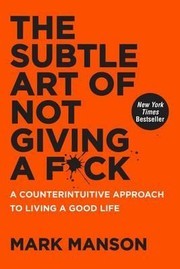
The Subtle Art of Not Giving a F*ck
€12.95
By Mark Manson (2016)
What the internet says
Aggregated insights from reviews and discussions across the web.
Overall reception: Mixed reception
The Subtle Art of Not Giving a F*ck by Mark Manson has received predominantly positive reception since its 2016 release, becoming a New York Times bestseller with over 1.4 million ratings on Goodreads averaging around 3.9 stars. Readers consistently praise the book's counterintuitive approach to self-help, with many appreciating Manson's rejection of toxic positivity in favor of accepting life's inherent struggles and choosing what truly matters. The book draws on existential philosophy, Buddhism, and resilience theory to argue that happiness comes from solving meaningful problems rather than avoiding all problems.
What readers loved
- Refreshingly honest and brutally realistic approach that rejects feel-good platitudes and toxic positivity common in self-help books
- Practical advice on prioritizing values and choosing what deserves your emotional energy, with the core message of focusing on fewer, more meaningful things
- Entertaining and humorous writing style that makes philosophical concepts accessible through personal anecdotes and conversational tone
- Valuable perspective on accepting limitations, embracing struggle, and understanding that problems are inevitable parts of growth
- Strong emphasis on personal responsibility and accountability rather than victimhood mentality
- Effective use of examples from the author's life and well-timed humor to illustrate serious points about values and meaning
- Challenges readers to examine their metrics for success and failure, encouraging better value systems
Common critiques
- Excessive profanity throughout the book that some readers find tiresome, forced, or like 'a young person that has just discovered the art of cursing'
- Heavy 'edgy dudebro persona' and tone that may not resonate with all audiences, particularly women and non-white readers
- Repetitive concepts and contradictions in some sections, with the second half notably weaker than the first
- Some problematic examples and irresponsible framing, particularly around false memories and sexual assault accusations
- Writing style can come across as self-centered, with excessive references to the author's past dating life and self-aggrandizement
Based on reviews from
- Goodreads
- Kirkus Reviews
- Quora Discussion
- HuffPost Review
- John Walters Blog


Reviews
There are no reviews yet.