Is Park Güell Worth It?

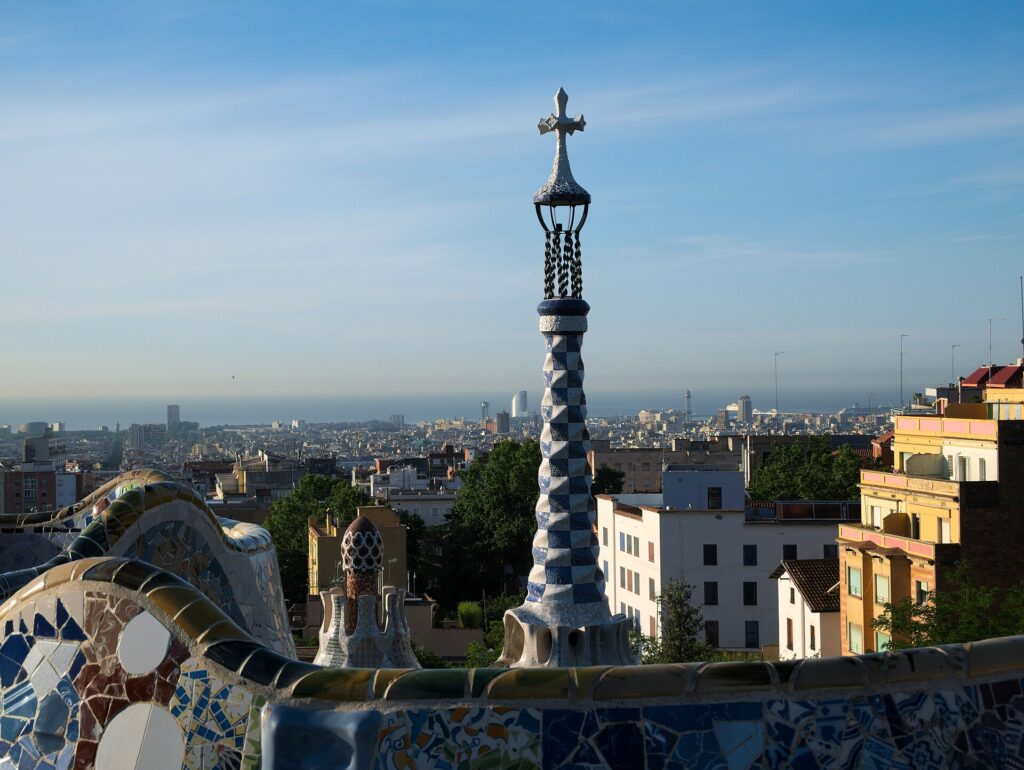
Short answer: Park Güell is worth it if you book a morning or early-evening slot and know what you’re paying for. It’s much less worth it on a hot midday in August. The ticket buys you Gaudí’s mosaic terrace, the Dragon Stairway and the Hypostyle Room, with one of the best views in Barcelona thrown in. But it’s an outdoor, hilly site with a strict time-slot system, so a bit of planning makes a big difference.
Disclosure: this article contains links to GetYourGuide. If you book through them, People & Media may earn a small commission at no extra cost to you.
Key takeaways
- The famous bits are in a ticketed area. The mosaic bench, the dragon and the gingerbread-style gatehouses all require a timed ticket.
- You get a 30-minute window to enter after your booked time. Miss it and your ticket is lost.
- Official tickets are non-refundable and can’t be cancelled (date changes are possible up to the day before, subject to space).
- Getting there is half the challenge: the park sits on a steep hill. Use the escalator route or a taxi, not the steepest streets.
- It’s outdoors with limited shade, so the time of day decides whether you enjoy it or just endure it.
What makes Park Güell special (and what surprises people)
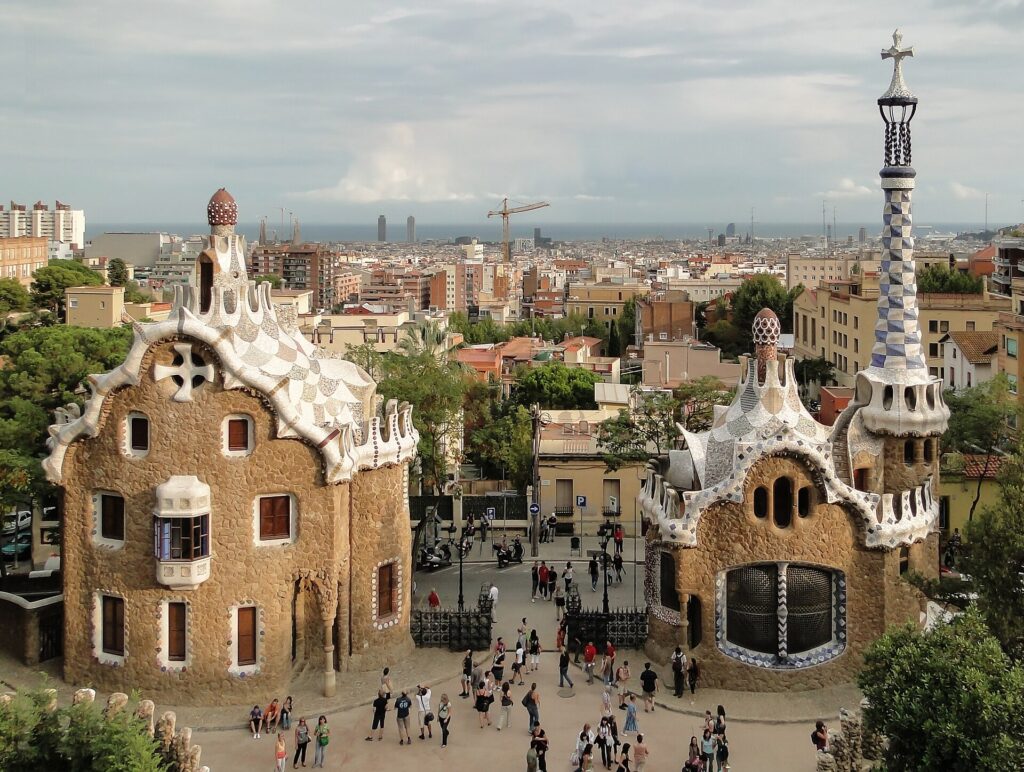
Park Güell was never meant to be a park. In the early 1900s the industrialist Eusebi Güell commissioned Gaudí to design a luxury housing estate on the hillside, complete with a market hall, roads and a grand entrance. The project flopped commercially, and the city later turned it into a public park. That backstory explains the layout: what you visit are the shared “common areas” of an estate that was never built, not a collection of buildings.
That’s also why expectations matter. First-time visitors often picture a huge garden full of mosaics. In reality, the colourful Gaudí features are concentrated in a fairly compact area, and much of the rest is dusty paths, stone viaducts and Mediterranean woodland. It’s beautiful, but it isn’t a botanical garden.
The highlights inside the ticketed zone
Nature Square and the serpentine bench
The big open terrace (also called the Greek Theatre) is edged by the long, wavy bench covered in trencadís, Gaudí’s broken-tile mosaic. This is the classic Park Güell photo, with the city and the sea beyond. Sit on the bench and you’ll notice it’s surprisingly comfortable.
The Dragon Stairway
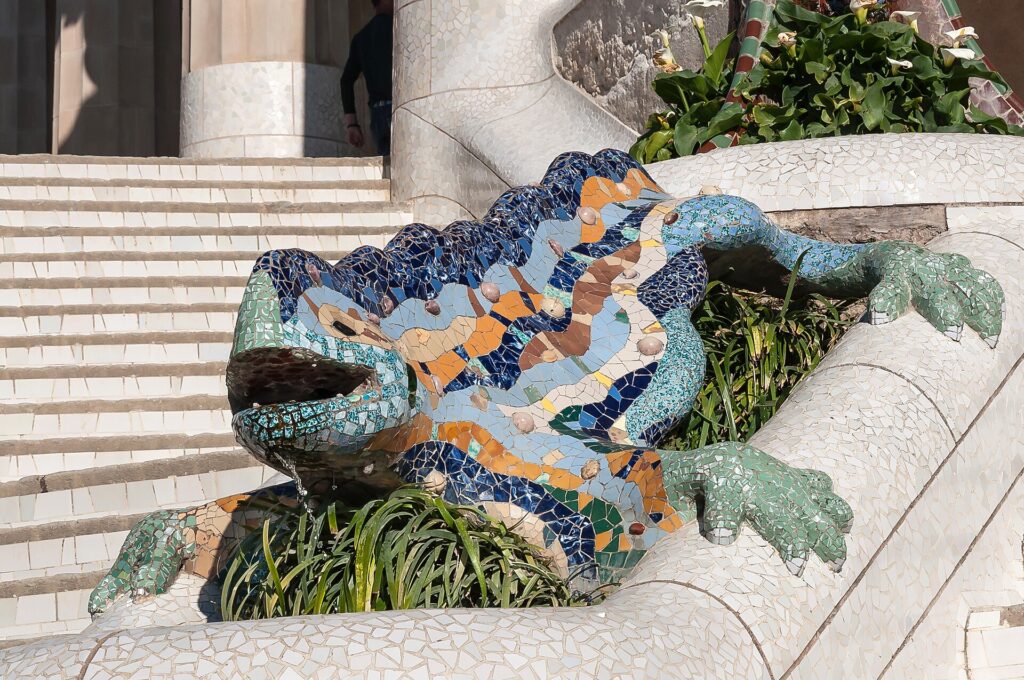
The double staircase at the main entrance leads up past the tiled salamander, the park’s mascot. It’s the most crowded spot in the park, and you may have to wait your turn for a photo.
The Hypostyle Room
Directly under Nature Square, this forest of columns was designed as the estate’s market hall. Look up: the ceiling has circular mosaic medallions. It’s also the best shady spot on a hot day.
The Laundry Room Portico and viaducts
Leaning stone columns that look like a wave frozen mid-crash, supporting the path above. It’s quieter than the terrace and one of the most photogenic corners of the park.
The entrance pavilions
The two fairy-tale lodges at the Carrer d’Olot gate, with their mushroom-like roofs, are best seen from the top of the stairway looking down.
Note that the busiest spots (Nature Square, the Hypostyle Room, the Laundry Room Portico, the Dragon Stairway and the Austria Gardens) sit behind a second controlled access point with a one-way route. According to the official website, you may have to wait to get in at busy times, even with a ticket.
How much does Park Güell cost?
Tickets are sold online through the official website, parkguell.barcelona, for a specific date and time slot. Prices at the time of writing:
| Ticket | Price |
|---|---|
| General admission | €18 |
| Children aged 7 to 12 | €13.50 |
| Over 65s | €13.50 |
| Children aged 0 to 6 | Free (ticket still required) |
| People with disabilities | Free (companion €13.50) |
| Official guided tour (about 50 minutes, max 25 people) | €17 on top of the entry ticket |
A few rules from the official site are worth knowing before you book:
- Tickets can be booked up to three months ahead, with a maximum of seven per transaction.
- Tickets are in your name and ID may be checked at the entrance.
- Bookings can’t be cancelled or refunded, but you can request a date or time change up to one day before your visit, if there’s availability.
- Once inside you can stay as long as you like, but you can’t re-enter after leaving.
- A separate combined ticket includes the Gaudí House Museum, the pink house where Gaudí lived for years. The standard ticket does not.
Is €18 worth it? For about 1.5 hours among some of Gaudí’s most playful work, plus a fine view, most visitors think so. If you’re mainly after the panorama, though, you can get a comparable (arguably better) view for free elsewhere, more on that below.
Getting up the hill: the part nobody warns you about
Park Güell is in the upper part of the Gràcia district, on a steep slope. Many visitors arrive sweaty and late for their slot because they underestimated the climb. Your options, according to the official site:
- Metro L3 to Lesseps: about a 20-minute walk. Head for the entrance on Avinguda del Santuari de Sant Josep de la Muntanya, which has escalators for part of the climb.
- Metro L3 to Vallcarca: also about 20 minutes on foot, but the official FAQ currently advises against it because the escalators on Baixada de la Glòria are out of service.
- Bus H6 or D40: from the Travessera de Dalt stop it’s about a 10-minute walk.
- Taxi: there’s a taxi rank on Carretera del Carmel, which is also the easiest entrance for people with reduced mobility.
Self-guided visit or a tour?
Park Güell is easier to understand on your own than the Sagrada Família: the highlights are close together, and the free official app offers routes. The stories are the reason to take a tour: the failed housing estate, the symbolism in the salamander and the mosaics, and Gaudí’s clever drainage system hidden in the structure.
The park runs its own guided tours of about 50 minutes (maximum 25 people, in English, Spanish, Catalan and French), which you pay for on top of the entry ticket. Remember that official bookings can’t be cancelled. On GetYourGuide you’ll find tours that include the entry ticket, many with free cancellation:
- Park Güell guided tour with entry ticket: the straightforward option, with a guide and your timed entry sorted.
- Sagrada Família and Park Güell combined tour: covers Gaudí’s two biggest sights in one booking.
When to go: slots, heat and light
The first ticketed slot starts at 9:30 and the last at 19:30. The early morning (7:00 to 9:30) and late evening (20:00 to 22:00) are reserved for local residents, so tourists can’t enter then.
- 9:30 to 10:30: the best choice in summer. It’s cooler, the light is soft and the mosaics aren’t yet surrounded by crowds.
- Late afternoon and the last slots: warm light on the terrace and the sun setting over the city. Busy, but beautiful.
- Midday from June to September: hot, bright and with limited shade. Only if you have no other option.
- Rainy or stormy days: the park can close for safety reasons in bad weather, and the paths get slippery.
Check the official “Disruptions” page before you go. At the time of writing, work on the park’s drainage and irrigation systems was ongoing in some areas, but the main monuments were open.
How long do you need?
- 1 to 1.5 hours: the ticketed highlights at a relaxed pace.
- 2 to 2.5 hours: add the viaducts, the Gaudí House Museum and a sit-down on the terrace.
- Plus travel time: allow 30 to 45 minutes from the city centre, including the climb.
Tips from experience
- Arrive 15 minutes before your slot, not at the last minute of your 30-minute window. You still have to find the right entrance.
- Bring water. The official site recommends it too, and there are drinking fountains in the park.
- Wear shoes with grip. Paths are gravel, dusty and steep in places.
- Go to Nature Square first if it’s quiet, then the Dragon Stairway. Crowds at the salamander build quickly.
- Watch your bag around the stairway and the terrace, as with all busy spots in Barcelona.
- Don’t drive. Most parking around the park is reserved for residents.
When Park Güell isn’t worth it
- You only want the view. The Bunkers del Carmel, on the next hill, offer a free, 360-degree panorama over Barcelona. They’re within walking distance of the park, although it’s another uphill climb.
- You’re visiting in July or August and can only go at midday. Heat, glare and crowds make it a slog.
- You have limited mobility and no taxi. The park is accessible via Carretera del Carmel with alternative routes, but the approach on foot is steep.
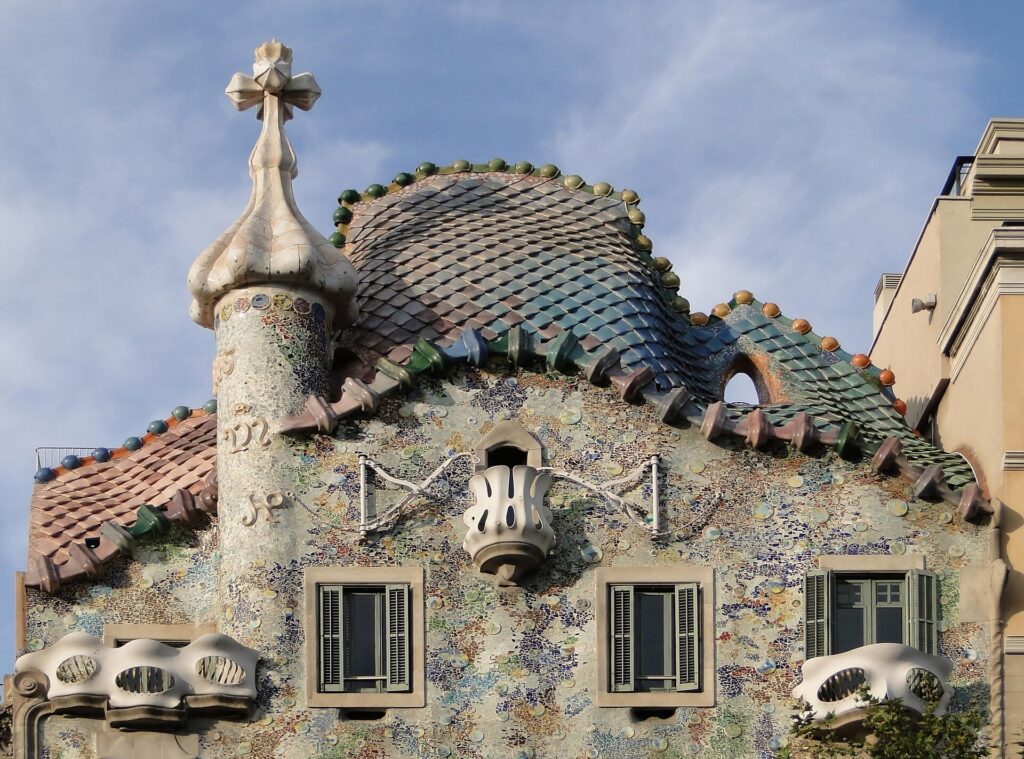
- You want Gaudí interiors. Park Güell is almost entirely outdoor architecture. Casa Batlló or Casa Vicens (Gaudí’s first house, in the lower part of Gràcia) are better choices.
- Your plans are uncertain. Official tickets can’t be refunded, so either book close to the date or use a flexible option.
The verdict
Park Güell is worth the ticket for most visitors, as long as you choose the right time of day and don’t expect a vast mosaic wonderland. Book a morning or late slot, take the metro to Lesseps and the escalators up, and start with the terrace. If you’d like a guide to explain the hidden meaning behind the tiles, compare Park Güell tours and tickets and pick one with free cancellation.
📍 Planning a trip? See our guide: Things to Do in Barcelona
More honest “is it worth it?” guides
Frequently asked questions
Is Park Güell free?
Not for tourists. The part with Gaudí’s famous features requires a timed ticket. Barcelona residents can enter free of charge through the Passi Verd booking system, and residents of neighbouring districts have their own access card.
Can you buy Park Güell tickets at the entrance?
The official site recommends buying online in advance and warns that it can’t guarantee entry without a reservation, especially at busy times. Ticket availability is limited because the park caps visitor numbers.
What happens if you’re late for your Park Güell time slot?
You have 30 minutes after the time on your ticket to enter. After that, you lose the right to enter, and official tickets aren’t refunded.
How do you get to Park Güell from the city centre?
Take metro line L3 to Lesseps and walk about 20 minutes, using the escalator approach via Avinguda del Santuari de Sant Josep de la Muntanya. Buses H6 and D40 stop at Travessera de Dalt, about 10 minutes’ walk away, and there’s a taxi rank on Carretera del Carmel.
Is the Gaudí House Museum included in the Park Güell ticket?
No. The standard ticket doesn’t include it. There’s a separate combined ticket for the park and the Gaudí House Museum on the official website.
Park Güell or Sagrada Família: which is better if you can only do one?
The Sagrada Família, for most people. Its interior is unique, while Park Güell is a pleasant outdoor visit whose views you can partly get elsewhere for free. If you’ve already seen the basilica, Park Güell is a great second Gaudí stop.
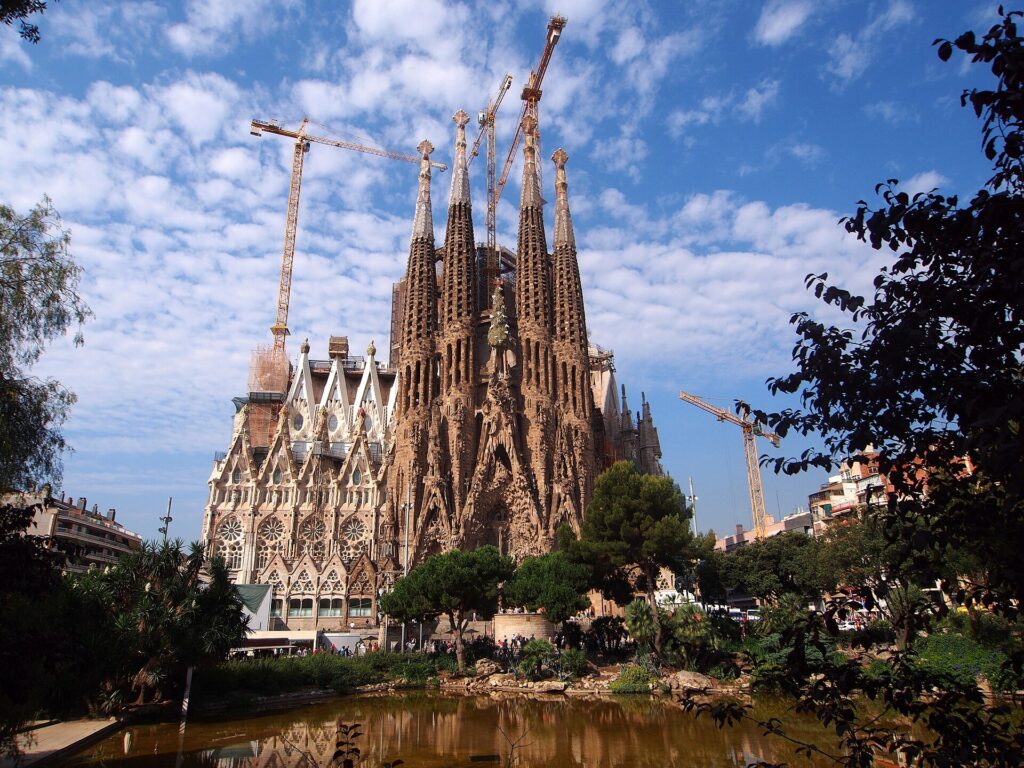
Featured image: Photo: Daniel Kraft, CC BY-SA 3.0, via Wikimedia Commons
Responses