Is NATO Pushing for War? A Look at the Ukraine Conflict

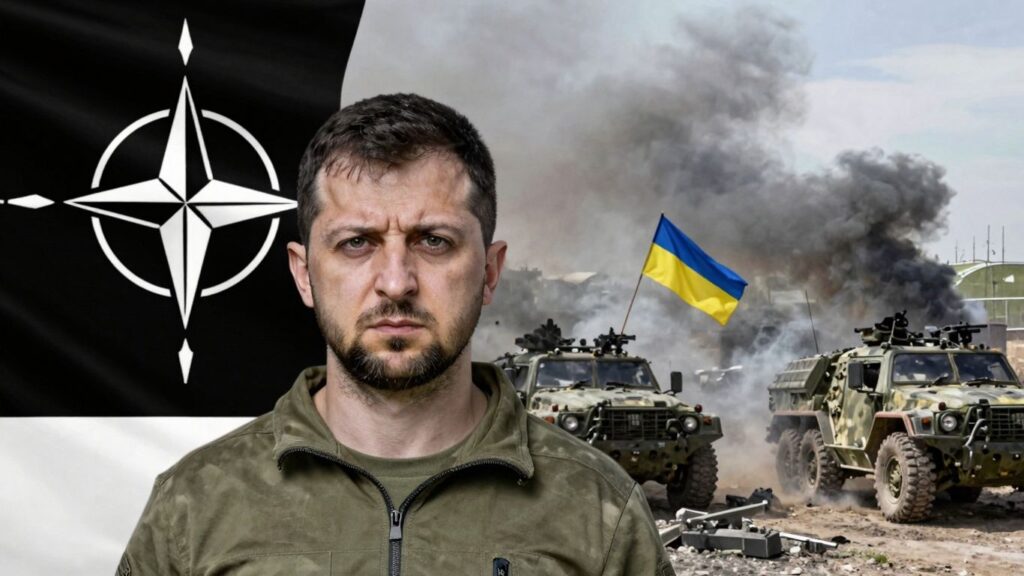
Recent discussions suggest a narrative that China is the sole reason Russia can continue its war in Ukraine. However, this view might be misleading. While China does supply some components available on the open market, it’s not providing major military support or direct diplomatic backing. In fact, evidence shows China is also urging a negotiated settlement to end the conflict.
It’s also worth noting that Western parts have been found in Russian weapons, and Ukraine itself receives significant support from Western nations. This suggests a more complex picture than a simple "China is Russia’s lifeline" argument. Instead, countries like Iran and North Korea are providing more direct assistance to Russia, largely as a reaction to the extensive weapons, intelligence, and training the West is giving to Ukraine.
The Danger of Escalation
There’s a concern that Western politicians are painting a picture of a looming multi-front war involving China, Iran, and North Korea. This perspective seems irrational, especially when considering the West’s limited military manpower compared to Russia’s much larger forces. A conventional war against Russia, let alone a combined force of Russia, China, Iran, and North Korea, would likely be unwinnable and could quickly escalate to nuclear threats.
The Unintended Consequences of Prolonging the War
Continuing the war in Ukraine might actually guarantee the very outcome Western leaders claim to fear: a heavily militarized Russian border with NATO and significantly increased defense spending. The argument is that this war could have been avoided or ended multiple times. Opportunities included respecting Ukraine’s democratic choices in 2014, honoring the Minsk agreements, accepting Russia’s 2021 draft treaty, or pursuing negotiations in early 2022 and 2023. At each of these junctures, diplomacy was reportedly rejected in favor of seeking a Russian defeat. This approach, some argue, has only prolonged the war, worsened Ukraine’s position, and increased global danger.
Key Takeaways:
- Claims that China is the sole reason Russia can continue the war are likely oversimplified.
- China is urging a negotiated settlement, not providing major military aid to Russia.
- Western components are found in Russian weapons, and Ukraine receives substantial Western support.
- Iran and North Korea are more significant direct suppliers to Russia.
- A conventional war with Russia and its potential allies is seen as unwinnable and a high risk for nuclear escalation.
- Continuing the war may lead to the feared outcome of a militarized NATO border and increased defense spending.
- Multiple opportunities for diplomacy and negotiation have reportedly been missed.
Missed Opportunities for Peace
The narrative suggests that the war could have been avoided or concluded much earlier. For instance, respecting Ukraine’s democratic outcomes in 2014 could have led to a different path. Similarly, adhering to or enforcing the Minsk agreements, or considering Russia’s 2021 draft treaty, were potential off-ramps. Even in early 2022 and 2023, negotiations were reportedly possible.
Instead of pursuing diplomatic solutions, the focus has been on achieving a Russian defeat. This strategy, according to the perspective presented, has prolonged the conflict, weakened Ukraine’s standing, and heightened global risks. The argument is that continuing this path is not only failing to achieve the desired outcome but is actively creating the conditions that Western leaders claim to want to prevent.
The Reality of Military Capabilities
When looking at the military capabilities of major European powers like the UK, France, and Germany combined, the active forces are estimated to be around 500,000. However, the number of actual combat-ready troops might be significantly lower, perhaps around 150,000. Reports suggest that some nations, like the UK, would struggle to deploy a brigade quickly and could only sustain a conflict for a few weeks without notice. This contrasts sharply with Russia’s reported 1.5 million active troops.
Considering these numbers, the idea of engaging in a conventional war with Russia, and potentially other nations, seems highly improbable for the West. The logistical, ammunition, and personnel requirements for such a conflict would be immense, likely requiring a NATO force equivalent in size to Russia’s. The current military readiness and capacity of many Western nations appear insufficient for such a scenario.
The Path Forward: Diplomacy or Disaster?
The core argument is that continuing the war is not a rational path. Instead, ending the conflict quickly through negotiation is presented as the most sensible option. This would allow nations to focus on their own economic stability and security. The current approach, however, seems to be leading towards a more dangerous future, potentially involving wider conflict and destruction. The speaker emphasizes that Russia has spent years preparing for its current military posture, and Western nations are not similarly prepared for a prolonged conflict. The risk of nuclear escalation is also a significant concern if conventional warfare were to fail for NATO.
A Call for a Different Approach
The current strategy is criticized for being irrational and immoral, especially given the human cost in Ukraine. Instead of learning from past failures and seeking a negotiated settlement, there’s a perceived doubling down on a failing strategy. This could lead to the destruction not just of Ukraine but potentially wider conflict across Europe. The speaker suggests that a decisive action, perhaps from a US president, to withdraw support and insist on negotiations, could be the only way to de-escalate the situation before it’s too late. The current path, it is argued, is not one of defense but one that actively seeks a wider, more devastating war.


Responses