Germany’s New Military Might: A Shift in European Power Dynamics


The landscape of European security is shifting, and Germany, once defined by its post-war pacifism, is rearming. This transformation, detailed in a recent Atlantic article, explores how Europe’s largest economy is stepping up to fill a potential void left by changing U.S. commitments. It’s a complex evolution, driven by new geopolitical realities and a re-evaluation of Germany’s role on the continent.
Key Takeaways
- Germany is significantly increasing its military spending and capabilities, aiming to become Europe’s strongest conventional army.
- This shift is influenced by perceived unreliability of U.S. commitment to NATO and the ongoing conflict in Ukraine.
- Despite historical reluctance, there’s a growing acceptance, even demand, from European neighbors for a stronger German military.
- Internal German attitudes are divided, with some nostalgia for past ties to Russia, particularly in the East, contrasting with a growing recognition of the threat posed by an aggressive Russia.
- The U.S. approach to the Russia-Ukraine conflict, particularly under a potential Trump administration, remains a point of confusion and concern for European allies.
The Shifting Sands of Transatlantic Relations
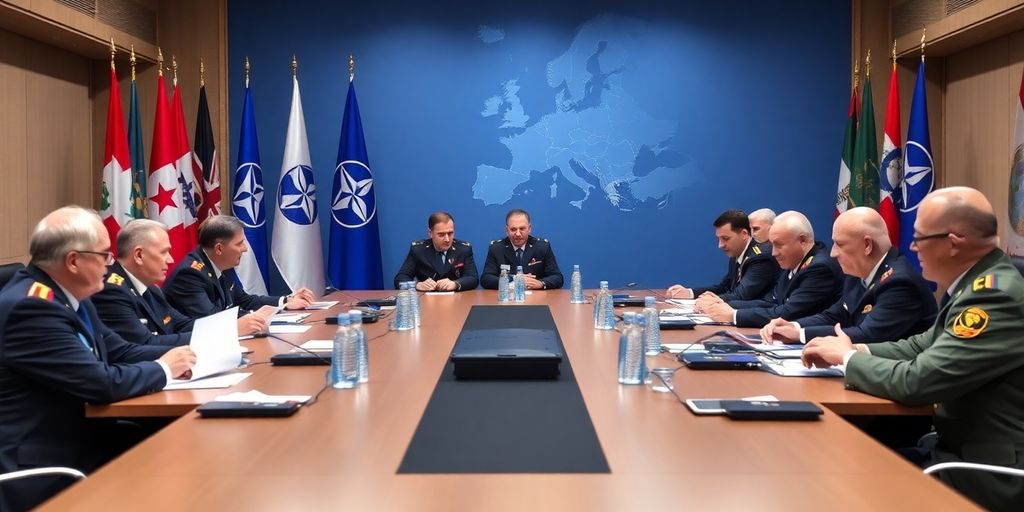
For decades, the United States’ role in NATO was seen as a way to keep European powers in check while also providing a security umbrella. However, recent political shifts and the ongoing war in Ukraine have led many in Europe to question the steadfastness of U.S. support. This uncertainty has prompted a re-evaluation of European defense, with Germany, as the continent’s economic powerhouse, increasingly expected to take on a greater security burden.
This rearmament effort is a significant departure from Germany’s post-World War II identity, which was largely shaped by atonement for its wartime actions. The idea of a strong German military once evoked fear, but the current geopolitical climate has necessitated a change in perspective. The article highlights how events, like remarks from U.S. politicians and the perceived unpredictability of American foreign policy, have convinced German leaders that they must be more self-reliant.
Germany’s Path to Rearmament
The journey toward a stronger German military isn’t straightforward. Historically, Germany’s defense capabilities were developed under the watchful eye of NATO and the U.S. during the Cold War. As the Cold War ended, a strong sense of pacifism took hold, fueled by the belief that Europe had moved beyond the era of military conflict, embracing trade and international cooperation instead. This "end of history" notion became deeply ingrained in Germany’s identity as part of its long process of redemption.
However, the realities of the 21st century, particularly Russia’s actions, have challenged this outlook. The article points to specific moments, like a contentious meeting in the Oval Office, that solidified for German leaders the need to amend their constitution to allow for increased defense spending. This led to the removal of the "debt break," a constitutional limit on government borrowing, paving the way for significant investment in the Bundeswehr, Germany’s armed forces.
A New Role on the European Stage
Chancellor Olaf Scholz’s declaration of a "Zeitenwende" (turning point) signaled a major shift. Germany is now aiming to become the strongest conventional army in Europe, a goal that, surprisingly, is met with support from many of its neighbors. Countries that were once victims of German aggression are now urging Germany to bolster its defenses, recognizing the shared threat posed by Russia. This is a stark historical irony, demonstrating how geopolitical circumstances can reshape long-held attitudes.
This push for a stronger military is not just about numbers; it’s also about fostering a renewed sense of purpose and capability within the armed forces. Germany faces the challenge of recruiting and training a generation that has grown up in peacetime, instilling the discipline and spirit needed for effective defense. The country’s defense minister, Boris Pistorius, has stated that the fear of a weak Germany now outweighs the fear of a strong one, marking a significant geopolitical shift.
Internal Divisions and External Perceptions
While the German elite largely views Russia as an aggressive threat, public opinion, especially in the eastern parts of the country, is more complex. Some segments of the population hold onto a degree of nostalgia for past ties with Russia or adopt a more pragmatic view, emphasizing the need for peaceful coexistence with a powerful neighbor. This internal division presents a challenge for policymakers trying to build a unified national consensus on defense.
The article also touches upon the ongoing debate surrounding the U.S. approach to the Russia-Ukraine war. European officials are reportedly puzzled by what they perceive as a reluctance from some U.S. leaders to strongly condemn Russian actions, even while being critical of Ukraine and its European partners. This dynamic adds another layer of complexity to the evolving security architecture in Europe, as Germany steps into a more prominent military role.





Responses