Europe’s Worst Nightmare: Is Peace Possible in Ukraine?

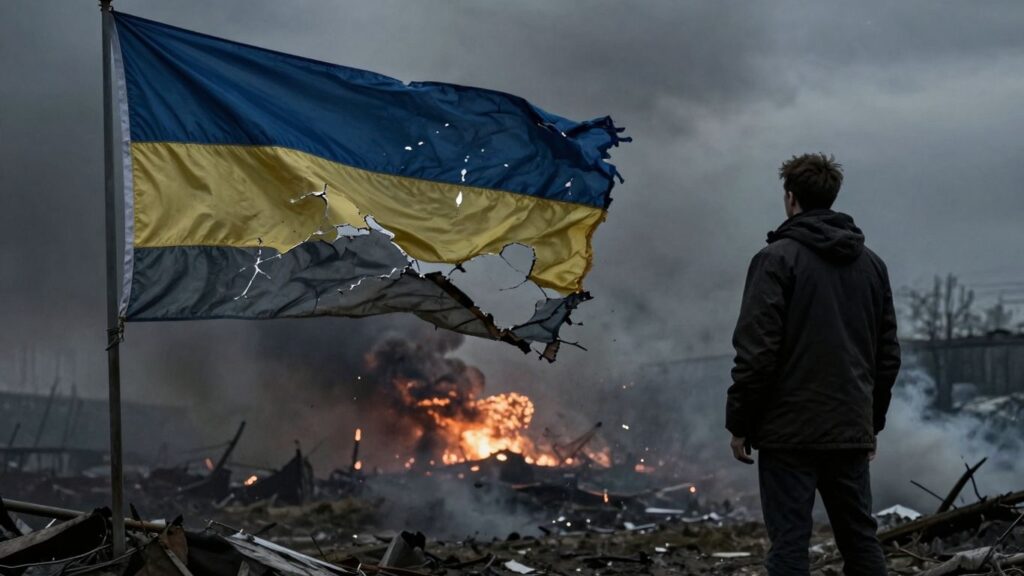
The ongoing conflict in Ukraine has sparked intense debate about its potential resolution. While some officials suggest Russia isn’t interested in peace talks, a Russian diplomat offers a different perspective, claiming Russia has consistently sought a diplomatic solution. This discussion explores the possibility of a negotiated settlement versus a military conclusion, examining the conditions set by Russia and the obstacles presented by Ukraine and its Western allies.
Key Takeaways
- Russia claims it has always been open to a diplomatic solution and was part of initial peace talks.
- Ukraine, specifically President Zelensky, is seen by Russia as the main obstacle to peace, preferring a ceasefire over a lasting agreement.
- Russia’s conditions for peace include Ukraine posing no military threat, protections for Russian speakers and language, safeguarding the Orthodox Church, and ending the glorification of Nazism.
- A simple ceasefire is rejected by Russia, citing the failure of the Minsk agreements.
- Russia dismisses the idea that former President Trump could pressure Putin, stating Russia is militarily advancing and has no incentive to change its terms.
- Russia rejects the concept of paying reparations, viewing it as a practice for defeated nations.
- Seizing frozen Russian assets is considered illegal theft by Russia, which threatens retaliation.
- Western security guarantees for Ukraine are viewed skeptically by Russia, which frames its own position as a concession.
Russia's Stance on Peace Negotiations
Contrary to claims that Russia is unwilling to negotiate, Dmitry Polyanskiy, Russia’s First Deputy Permanent Representative to the UN, asserts that Russia has consistently advocated for a diplomatic solution. He points to draft treaties proposed to NATO and the US in late 2021 regarding European security, aimed at preventing the crisis fueled by Ukraine’s desire to join NATO. Polyanskiy states that Russia’s initial military actions were intended to stop the ongoing war in Ukraine since 2014 and that Russia was ready to halt hostilities at any moment if terms for a peaceful neighbor, not an anti-Russia entity, were met. These terms included ensuring the Russian language wasn’t threatened, Russian speakers weren’t targeted, and the Orthodox Church was protected.
The Istanbul Talks and Western Interference
Polyanskiy recalls that shortly after the special military operation began, Russian troops were near Kyiv, and talks were initiated in Belarus and later in Istanbul. He claims that the Ukrainian delegation in Istanbul proposed a formula that led to a draft treaty. However, he alleges that this process was undermined by interference from figures like Boris Johnson, who convinced President Zelensky to continue fighting, promising Western support and the possibility of inflicting a strategic defeat on Russia.
The Core Issues: NATO Expansion and Security Guarantees
Russia views NATO expansion as a primary driver of the crisis, arguing that European security should not come at the expense of others. Polyanskiy references President Putin’s 2007 Munich speech, suggesting it accurately predicted the current situation. He believes NATO, having lost its purpose after the dissolution of the Warsaw Pact, created Russia as an adversary to justify its existence. Russia insists on a return to the principle of indivisible security, where a balance of power exists and NATO does not expand.
Ukraine's Alleged Obstruction and Conditions for Peace
Russia maintains that Ukraine, under President Zelensky, is the main obstacle to peace. Polyanskiy argues that Ukraine only seeks a ceasefire to regroup and rearm, not a genuine peace settlement. Russia’s conditions for a negotiated settlement include achieving the goals of its special military operation, which involve Ukraine posing no threat to Russia, protecting Russian speakers and language, safeguarding the Orthodox Church, and ending the glorification of Nazism. Russia insists that a mere ceasefire would not resolve the root causes of the conflict and could lead to a repetition of past events, similar to how the Minsk agreements were allegedly used by Ukraine to rearm.
The Question of Reparations and Frozen Assets
Regarding reparations, Russia flatly rejects the idea, stating that only defeated nations pay them. Polyanskiy dismisses suggestions of Russia paying reparations as unrealistic. Furthermore, Russia views the potential seizure of its frozen assets by European nations as illegal theft. Russia warns that such an action would lead to confiscation of European property within Russia and could severely damage the EU’s financial credibility, potentially leading to its bankruptcy as international confidence in storing reserves within the EU would erode.
Security Guarantees and Future Outlook
Russia expresses skepticism towards proposed Western security guarantees for Ukraine, particularly those involving foreign troops on Ukrainian territory, which Russia would consider legitimate targets. Polyanskiy argues that these guarantees are designed against Russia, reflecting a short-sighted vision. Russia advocates for a renewed European security framework based on indivisible security for everyone, including Russia, rather than a bloc approach that treats Russia as an enemy. Russia believes that if Ukraine and its sponsors refuse substantive talks and fail to address the root causes of the conflict, Russia will achieve its objectives through military means, emphasizing that they are militarily winning and ready to continue the operation until victory.
The Path Forward
Ultimately, Russia suggests that the best possible solutions were the Minsk agreements and the subsequent Istanbul deal, both of which were rejected. They warn that any future peace proposals will likely be worse for Ukraine if time is lost. Russia expresses a desire for peace for all parties involved, but stresses that a sustainable settlement addressing the core issues is necessary, and that military objectives will be pursued if diplomacy fails.
Responses