Dubrovnik’s Old Town is small enough to cross in ten minutes, and that’s both its charm and its challenge: a complete ring of medieval walls around polished limestone streets, with the Adriatic on one side and a steep mountain on the other, visited by huge numbers of people in summer. The trick is timing. See the walls and the Old Town early or late, and spend the middle of the day on the water, on an island or in the sea.
Disclosure: this page contains links to GetYourGuide. If you book through them, People & Media may earn a small commission at no extra cost to you.
Our honest attraction reviews
Dubrovnik’s headline sights aren’t cheap, so we’ve reviewed them in depth, including when they’re not worth it.
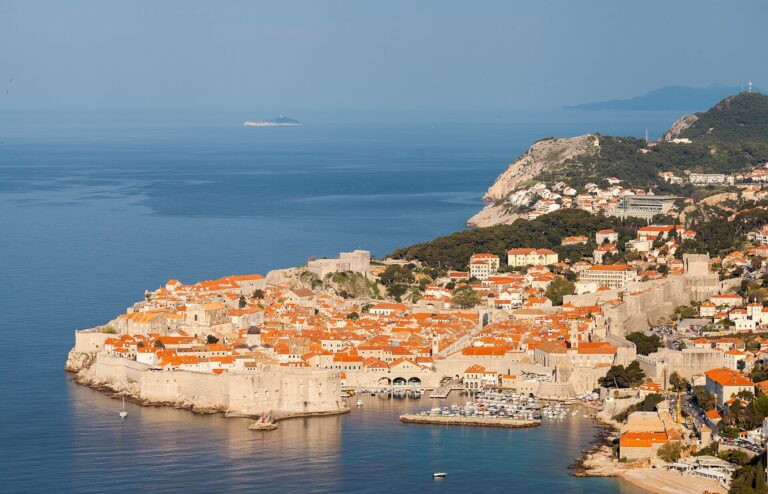
13 best things to do in Dubrovnik
1. Walk the City Walls
The 1,940-metre loop around the Old Town is the one experience almost every first-time visitor should do: terracotta roofs on one side, the sea breaking on the rocks on the other and a steady climb to Minčeta Tower, the highest point. It’s paid, one-way and one entry per ticket, and there’s almost no shade, so go at opening time or in the last hours before closing. Allow two hours. Our verdict: Are Dubrovnik’s City Walls worth it? If you’d like the history explained and the timing sorted, an early-morning City Walls tour beats the heat and the cruise crowds.
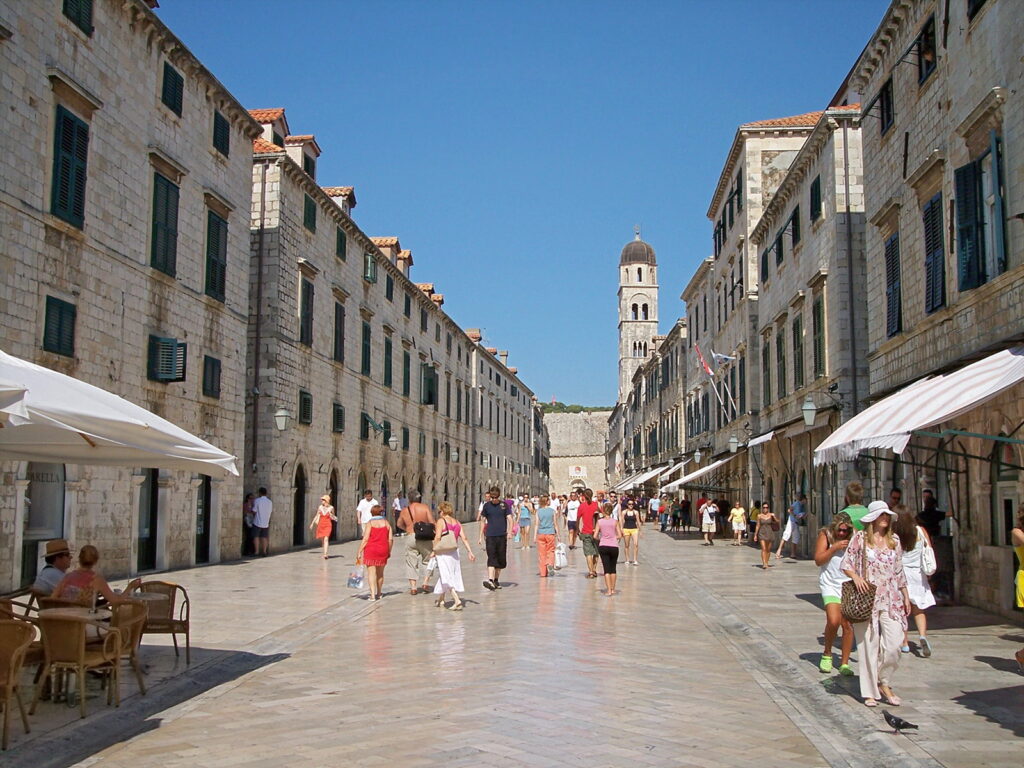
2. Stradun and the Old Town streets
The Old Town’s main street runs in a straight line from Pile Gate to the old harbour, its limestone paving polished to a shine by centuries of footsteps. The real pleasure is in the steep, stepped side lanes, with laundry lines, cats and small restaurants. It’s free and always open. Walk it at 7:00 and again after dark, when the stone glows under the lamps; at midday in summer it’s shoulder to shoulder.
3. Fort Lovrijenac
This fortress on a 37-metre rock just outside Pile Gate guarded the city from the west, and it gives you the best view of the walls rather than from them. Many visitors don’t realise that entry is included with the City Walls ticket. Allow 45 minutes, including the steps up. Game of Thrones fans will recognise it as a King’s Landing filming location, and in summer it’s used as a stage during the Dubrovnik Summer Festival.
4. Rector’s Palace
The seat of government of the old Republic of Ragusa is a handsome Gothic-Renaissance building with an arcaded courtyard, now home to the Cultural History Museum. It tells the story of how a small merchant republic kept its independence for centuries. It’s paid and part of the Dubrovnik Museums group, and an hour is enough. It’s a good choice for the hottest part of the day, and summer concerts are sometimes held in the atrium.
5. The Franciscan Monastery and old pharmacy
Just inside Pile Gate, the Franciscan Monastery has a peaceful Romanesque cloister and a pharmacy that has been in use since the Middle Ages, making it one of the oldest in Europe. A small museum displays old pharmacy jars and religious art. Entry to the cloister and museum is paid and takes 30 to 45 minutes. It’s right next to the main walls entrance, so combine the two.
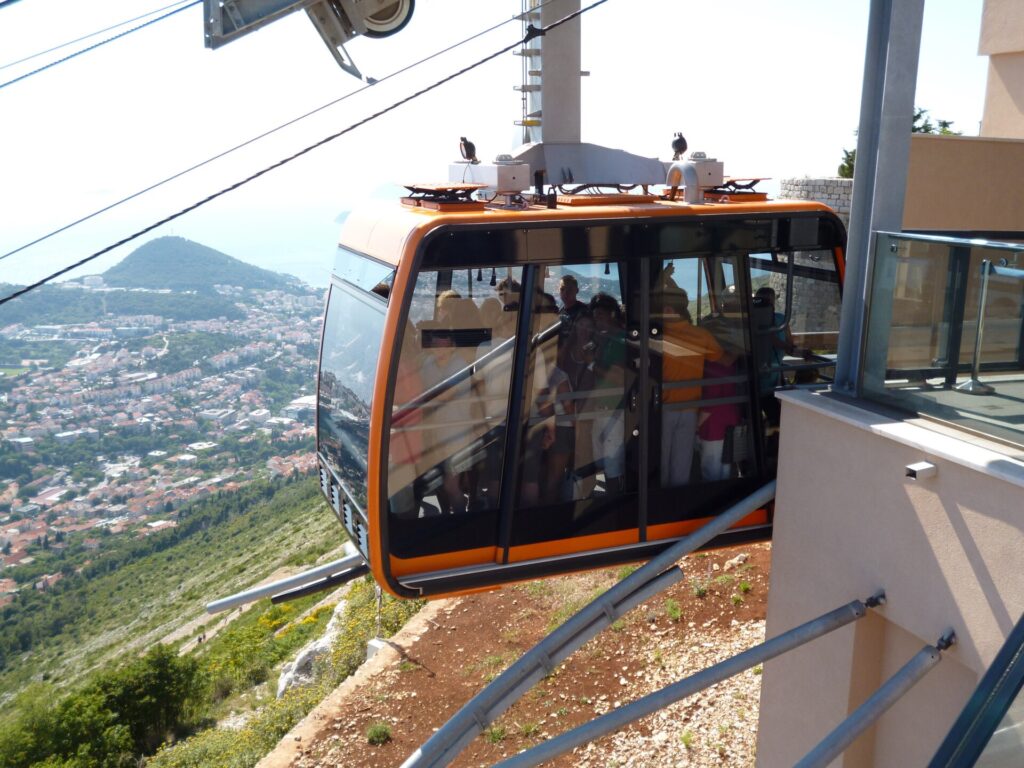
6. Mount Srđ by cable car
The cable car lifts you from just above the Old Town to the top of Mount Srđ in a few minutes, and the view down onto the walled city, Lokrum and the islands is the classic Dubrovnik panorama. It’s paid, and there’s a restaurant and a museum about the siege of Dubrovnik in 1991–1992 at the top. Go an hour before sunset. The cable car closes for maintenance in winter and reopens in spring, and it can stop in strong wind. You can also hike up on a steep, exposed path, but not in summer heat.
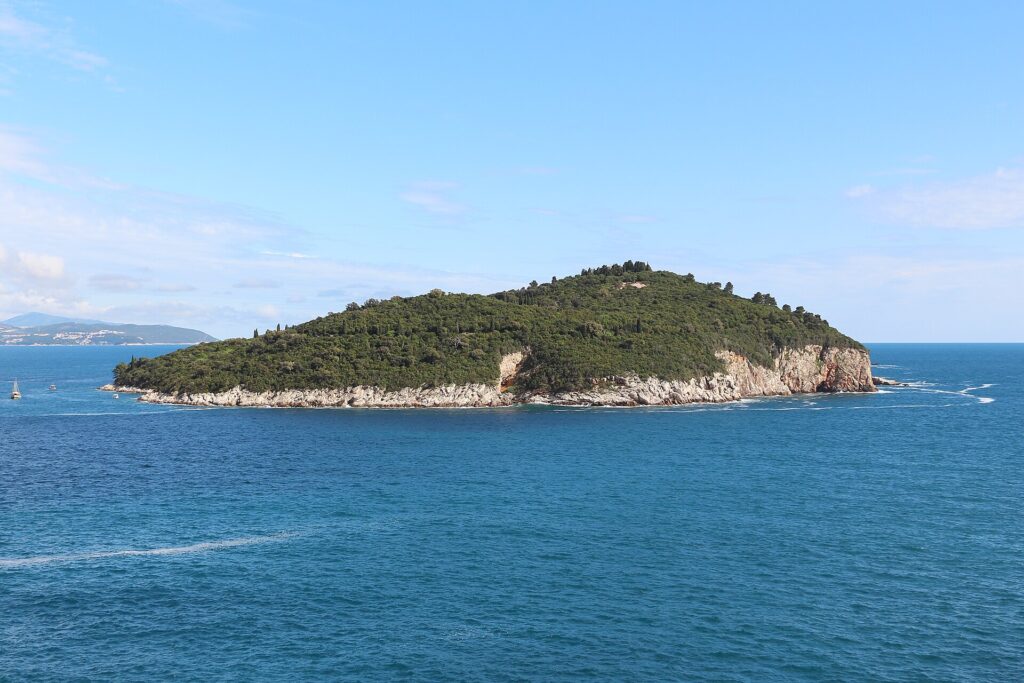
7. Lokrum Island
A short boat ride from the old harbour, Lokrum is a protected nature reserve with pine forest, botanical gardens, a ruined monastery, peacocks, rocky swimming spots and a small saltwater lake. At the time of writing, one ticket from the official ticket office at the old port covers both the return boat and entry to the reserve (€30 per person). Take a half-day or longer, bring swimwear and water shoes, and check the time of the last boat back.
8. Sea kayaking around the walls
Paddling beneath the walls and out towards Lokrum gives you a completely different view of the city, and most tours stop at a cave or small beach for a swim and some snorkelling. It’s paid, typically two to three hours, and suitable for beginners, as kayaks are usually doubles. Morning and sunset trips are the most comfortable in summer. A sea kayaking and snorkelling tour includes the equipment and a guide.
9. Swim at Banje Beach or from the rocks
There’s no need to leave town for a swim. Banje, just east of Ploče Gate, is the closest pebble beach to the Old Town, with a view back to the walls. For something more memorable, look for the small bars built on the rocks outside the southern walls, where you climb down ladders straight into deep, clear water. Swimming from the rocks is free, although you’ll pay for sunbeds and drinks. Bring water shoes and watch out for sea urchins.
10. An Old Town history or Game of Thrones walking tour
The Old Town is easy to navigate alone, but a good guide fills in what you’d otherwise miss: the Republic’s diplomacy, the 1667 earthquake, the siege of 1991–1992 and the lighter-coloured roof tiles that still show where shells landed. Fans can join a Game of Thrones tour of filming locations instead. Tours are paid and usually take 90 minutes to two hours. Take one early in your stay, so the rest of your visit makes more sense.
11. Elaphiti Islands boat trip
The chain of islands north-west of Dubrovnik includes three inhabited ones, Koločep, Lopud and Šipan, with quiet villages, olive groves and, on Lopud, a sandy beach that’s rare in this part of Croatia. The local ferry from Gruž harbour is the cheapest option, and day cruises bundle all three islands with lunch. It’s paid and takes a full day. A three-island cruise is the easiest way to see them in one go.
12. Cavtat
This small harbour town south of Dubrovnik is what many people hope Dubrovnik will be: a waterfront promenade, pine-shaded coastal paths and swimming spots, with far fewer crowds. You can get there by local bus or by boat from the old harbour, which is the more scenic way. The town is free to explore; plan half a day. Walk the path around the Rat peninsula and finish with dinner on the harbour.
13. Day trip to Kotor or Mostar
Dubrovnik is close to two borders. Kotor, in Montenegro, sits at the end of a dramatic fjord-like bay, while Mostar, in Bosnia and Herzegovina, is known for its rebuilt Ottoman-era bridge. Both are full-day trips, and border crossings can add a lot of waiting time in summer. Take a passport or valid ID card and check the entry rules for your nationality. Organised tours save you arranging cross-border car insurance, and they’re paid.
- Hour-by-hour itinerary for 3 days
- Google Maps list with every stop
- What to book in advance (and when)
- Works offline on your phone
Practical tips for visiting Dubrovnik
Best time to visit
May, June and September are the sweet spot: warm sea, long days and fewer crowds than in July and August, when the heat and cruise ship days can make the Old Town exhausting. The Dubrovnik Summer Festival fills July and August with open-air theatre and concerts. October is still pleasant for walking. In winter many restaurants and boat trips close, and the cable car stops for maintenance, but the Old Town is peaceful.
How many days do you need?
Two days covers the walls, the Old Town, Lokrum and the cable car. Three or four days lets you add an island trip, kayaking, Cavtat or a cross-border day trip, and gives you time to avoid the busiest hours.
Getting around
The Old Town is car-free, and walking is the only way to explore it, with lots of steps. City buses run by Libertas link Pile Gate with Gruž harbour, the bus station, Lapad and Babin Kuk. Parking near the Old Town is scarce and expensive. The Dubrovnik Pass, sold by the city, bundles entry to several museums and sights with bus travel; check the official website for what’s currently included before assuming it pays off. It’s always worth checking the cruise ship schedule and planning Old Town visits around the busiest days.
Where to stay
- Old Town: unbeatable atmosphere, but steps, noise and limited luggage access.
- Ploče: just east of the Old Town, with views of the walls and quick access to Banje Beach.
- Pile and Boninovo: close to the main gate and buses, often better value.
- Lapad and Babin Kuk: quieter, with beaches and hotels, a bus ride from the centre.
Frequently asked questions
How many days in Dubrovnik is enough?
Two full days is enough for the main sights. With three or four days you can add island trips, kayaking and a day trip to Kotor, Mostar or Cavtat.
What is the best time of day to walk the walls?
Opening time or the last hours before closing. The walls have almost no shade, and mid-morning to mid-afternoon in summer is the hottest and most crowded time.
Is Dubrovnik expensive?
By Croatian standards, yes. The City Walls, Lokrum, the cable car and restaurants in the Old Town all cost more than elsewhere in the country. Free things like swimming from the rocks, walking the Old Town at night and Cavtat help balance your budget.
Can you swim in Dubrovnik?
Yes, and it’s one of the highlights. Banje Beach is closest to the Old Town, and there are rock swimming spots below the walls, on Lokrum and around Lapad. The water is clear and deep, so bring water shoes.
Do you need a passport for a day trip to Kotor or Mostar?
You’ll cross a border outside the Schengen area, so bring a valid passport or ID card and check the requirements for your nationality before you go.
Featured image: Photo: Tony Hisgett from Birmingham, UK, CC BY 2.0, via Wikimedia Commons