Ukraine’s Shifting Landscape: Zelensky’s Role and the Path Forward

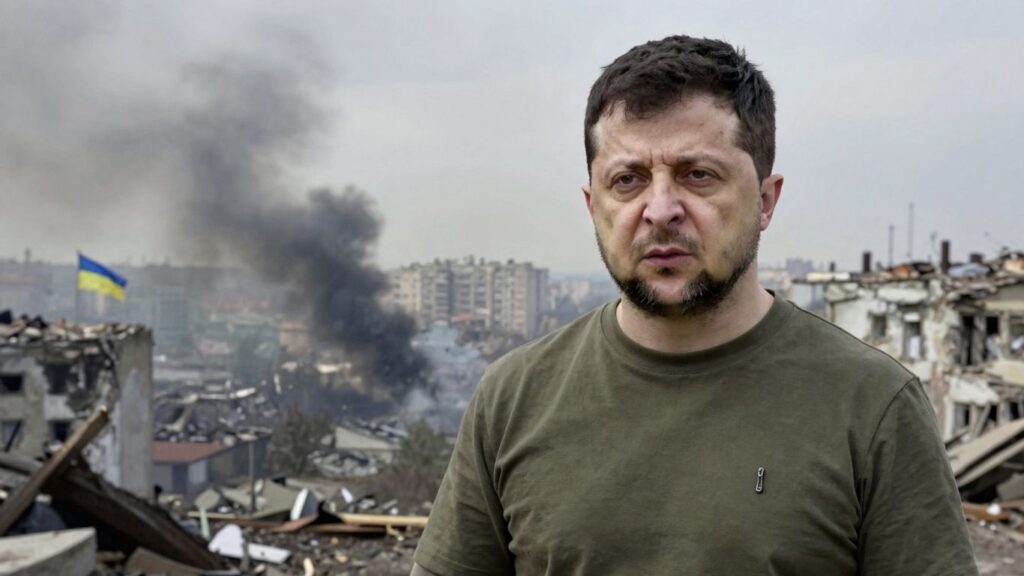
The current situation in Ukraine is complex, with discussions pointing to Volodymyr Zelensky’s diminishing utility to Western powers. The conversation highlights a growing disconnect between Ukrainian, Russian, and Western objectives, suggesting that Zelensky’s future role might be uncertain as the focus shifts towards ending the conflict.
Key Takeaways
- Western governments might eventually replace Zelensky if he’s no longer useful for messaging or fundraising, but ending the war appears to be the immediate priority.
- Negotiations are currently deadlocked, with Russia unwilling to negotiate with Zelensky or accept his signature on any deal.
- Zelensky’s public proposals, like demilitarized zones, are often contradicted by Ukrainian officials, creating an image of incoherence.
- Russia insists on Ukrainian withdrawal and Russian-aligned control of territories as conditions for a ceasefire.
- Major Ukrainian defensive positions are falling, and Russia is consolidating control in the Donbas and other areas.
- Zelensky’s calls for referendums in the Donbas are seen as unrealistic by critics.
- Russia’s core priorities include security guarantees, protection of Russian-speaking populations, and a political arrangement preventing a Western-aligned Ukraine.
- Europe is heavily focused on information warfare, pushing narratives of massive Russian casualties, which evidence appears to contradict.
- Ukrainian morale is reportedly declining, evidenced by draft resistance and public anger over conscription.
- The fundamental objectives of the West, Ukraine, and Russia seem incompatible, making a negotiated settlement under Zelensky unlikely.
Zelensky's Evolving Role
There’s a lot of talk about whether elections will actually happen in Ukraine, or if Western powers might orchestrate a change. It’s not out of the question that a Western-backed shift could occur, perhaps disguised as something else. The minute Zelensky is no longer seen as useful, like the "Churchill hero" they’ve portrayed him as, they might consider replacing him. However, right now, their main goal seems to be ending the war first, and then dealing with leadership changes.
The Negotiation Stalemate
The problem is, this idea of ending the war clashes directly with Russia’s stance. They’ve made it clear they won’t negotiate with Zelensky or even recognize his signature on a deal. This creates a situation with completely opposite and incompatible objectives. There’s no middle ground here; these goals are just not achievable at the same time.
It’s ironic because Zelensky was initially Ukraine’s biggest asset in terms of public perception. He was successful in rallying Western support, securing pledges of weapons, and gaining political backing. But now, he seems to have become their biggest liability, especially if the goal is to wind down the conflict. His usefulness, in a theatrical sense, might be coming to an end.
Conflicting Statements and Battlefield Realities
Despite this, we still see leaders like Keir Starmer and Emmanuel Macron engaging with Zelensky, and there are upcoming meetings where he’s still projecting an image of being in charge. He’s been proposing things like a demilitarized zone or a free economic zone in the Donbas, suggesting Ukraine would withdraw, and then Russia should do the same. The idea is to create a buffer zone.
But here’s the catch: what Zelensky says one day is often contradicted by his own government the next. Ukrainian media has reported that officials are saying they haven’t agreed to anything, and that any talk of a buffer zone is just theoretical. Meanwhile, Russia’s position is that any ceasefire can only happen after Ukrainian troops withdraw, and that the territory will remain under Russian-aligned control, even if not by regular Russian troops. They’re talking about National Guard troops from the Donbas areas, meaning Russian-allied forces would still be present.
On the ground, major Ukrainian defensive positions are falling. Fortress towns that have been held for a long time are being taken over by Russia. Zelensky’s suggestion of holding referendums in the Donbas is seen by many as unrealistic. He’s also using election safety concerns as a reason for needing a ceasefire, but critics point out that Ukrainian forces have attacked Russian-held regions during past elections, undermining his argument.
Russia's Unchanged Priorities
From Moscow’s perspective, the core issues remain consistent: security guarantees for its western border, protection for Russian-speaking populations, and a long-term political arrangement that prevents Ukraine from becoming a threat aligned with the West. These security concerns are seen as the primary drivers, with other issues being secondary until these fundamental pillars are addressed.
The Information War and Casualty Claims
Europe, in particular, seems to be heavily engaged in information warfare, pushing narratives about massive Russian casualties. Media outlets and political figures are claiming extremely high Russian losses, suggesting that Russia is paying a heavy price for any advances. However, evidence, such as prisoner and body swaps, appears to contradict these claims. Reports suggest ratios like 40 Ukrainian bodies returned for one Russian body, and that Ukraine has few Russian prisoners to exchange while Russia has many Ukrainian ones.
These casualty narratives are used to justify continued support for the war. While both sides likely conceal their true casualty numbers, Ukraine appears to rely more heavily on Western perception management. Ukrainian morale is reportedly deteriorating, with widespread draft resistance and videos showing public anger at forced conscription. People in Ukraine are aware of the heavy losses, seeing it as a "graveyard for the next generation."
The Role of Money vs. Men
There’s a debate about whether wars are won by men or machines and money. While machines and money are necessary, manpower is often seen as the deciding factor. Some argue that the conflict is increasingly about money, especially with discussions about confiscating frozen Russian central bank reserves to aid Ukraine. Without continued financial and military aid, particularly from the United States, Ukraine could face significant challenges.
Tactical Gains and Long-Term Strategy
Ukraine has made some tactical gains, such as pushing Russian forces back from parts of Kupyansk. These moves are often timed for public relations purposes, especially ahead of important meetings. However, these gains are often temporary, and Russia, playing a long game, aims to grind down the Ukrainian armed forces through attrition. The balance of military power, including artillery, drones, air power, and manpower, is seen as being in Russia’s favor. While these tactical successes might provide a short-term PR boost for Ukraine, their long-term impact remains uncertain, especially when considering the overall battlefield realities and the strategic objectives of each side.

Responses