Wayne Dyer Net Worth: Estate, Legacy & Royalties (2026 Update)

Key Takeaways
- Estate worth at death (August 2015) estimated at $20 million; ongoing royalty income continues to generate $2-4M annually for the Dyer estate
- Author of more than 40 books on personal development, including the foundational Your Erroneous Zones (1976) — one of the bestselling self-help books of all time
- Estimated cumulative book sales: 100+ million copies worldwide across 47 books
- Long-running PBS pledge-drive partner — produced 10+ PBS specials including The Power of Intention and Inspiration: Your Ultimate Calling
- Featured in the original The Secret (2006) — exposed his work to a new generation
- Career bridged 1970s pop-psychology, 1990s spiritual self-help, and 2000s Tao-influenced contemplative work
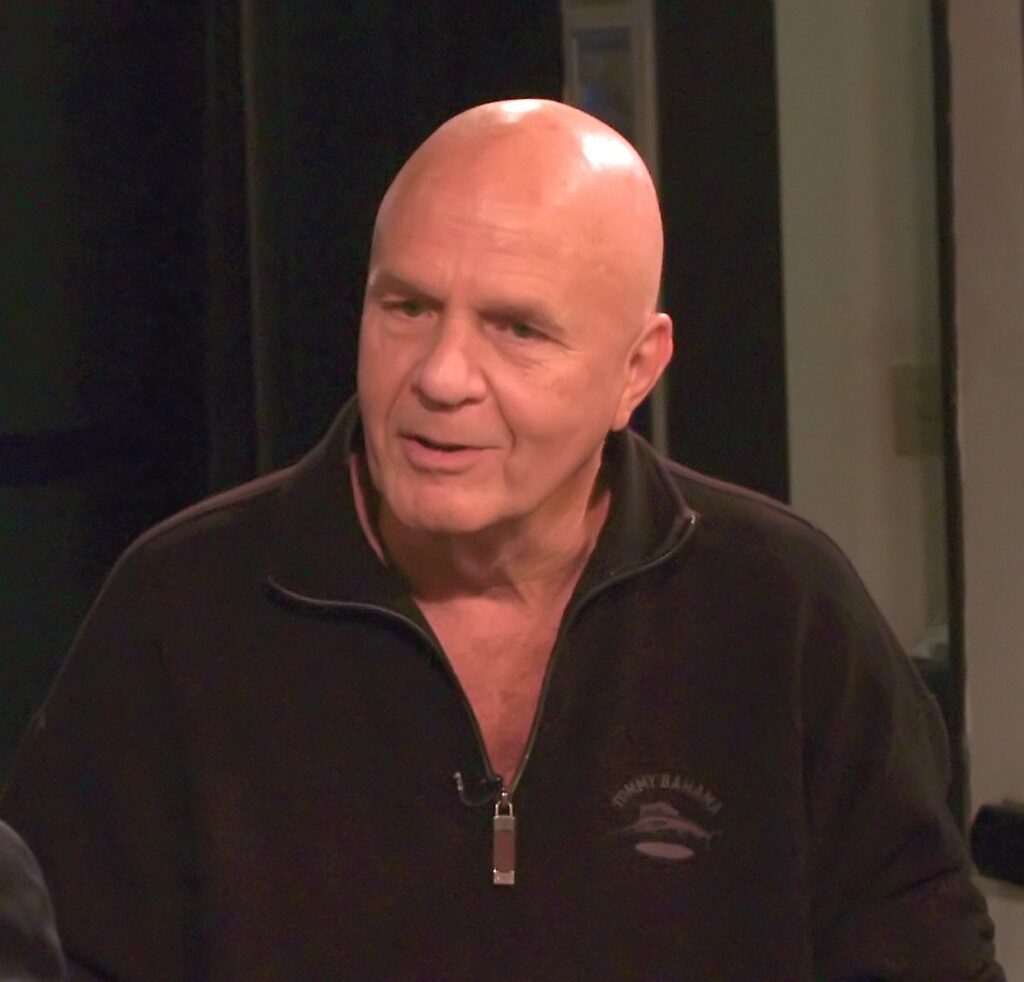
Wayne Dyer — full name Wayne Walter Dyer, born May 10, 1940, died August 29, 2015 — was the dominant figure in mainstream personal-development publishing from the late 1970s through the early 2010s. Across more than 40 books, dozens of audio programs, 10+ PBS specials, and a 35-year speaking career, Dyer’s body of work shaped how mass-market self-help is written and sold. While precise post-death net-worth disclosures are not public, contemporaneous reporting at the time of his death placed his estate value at approximately $20 million. Ongoing royalty income from his Hay House publishing catalog plausibly continues to generate $2-4M annually for his estate.
Dyer is one of the most-influential — and most-imitated — figures in modern self-help. His 1976 debut Your Erroneous Zones defined the template that authors from Tony Robbins to Mark Manson would later evolve. He is also the most-quoted teacher in the genre after Stephen Covey: more than 19 of his quotes are catalogued on this site alone, reflecting how thoroughly his language saturated the broader personal-development vocabulary.

Note: this article is independent editorial research. Wayne Dyer passed away in 2015. References to “net worth” describe his estate at the time of death and the ongoing royalty income generated for his estate. Figures are best-effort estimates derived from publicly disclosed book sales, typical Hay House author economics, PBS-pledge revenue patterns, and reasonable post-tax assumptions.

Estate value and ongoing income at a glance
| Metric | Estimate |
|---|---|
| Estate value at death (Aug 2015) | ~$20M (contemporaneous reporting) |
| Estimated annual estate royalty income (current) | $2M – $4M |
| Career start (academic) | 1970 (Ed.D. from Wayne State University) |
| Career start (publishing) | 1976 (Your Erroneous Zones) |
| Total books authored | 40+ |
| Estimated cumulative book sales | 100M+ copies |
| PBS specials produced | 10+ |
| Primary publishing relationship | Hay House (Louise Hay’s publishing house) |
Who was Wayne Dyer?
Wayne Walter Dyer was born in Detroit, Michigan, in 1940. His childhood was unstable — his father abandoned the family early, and Dyer spent significant time in orphanages and foster homes. After serving in the US Navy, he returned to school, eventually earning his bachelor’s, master’s, and doctorate from Wayne State University, completing his Ed.D. in Counseling in 1970.
He worked as a high school guidance counselor and ran a private therapy practice before transitioning into academia as a professor at St. John’s University in New York. There, he wrote what would become his breakthrough book, Your Erroneous Zones, published in 1976. To promote it, Dyer famously loaded up his car with cases of the book and drove around the United States, calling local radio stations from payphones and offering himself for interviews. The grassroots tour worked — by 1977 the book had reached the top of the New York Times bestseller list and would eventually sell more than 35 million copies, making it one of the bestselling non-fiction titles of the 20th century.
Career timeline
| Year | Event |
|---|---|
| 1940 | Born May 10 in Detroit, Michigan |
| 1958–1962 | Serves in the US Navy |
| 1970 | Earns Ed.D. from Wayne State University |
| Mid-1970s | Professor of Counselor Education at St. John’s University |
| 1976 | Your Erroneous Zones published — becomes runaway bestseller |
| 1980s–1990s | Continued bestselling output: Pulling Your Own Strings, The Sky’s the Limit, You’ll See It When You Believe It |
| 1990s | Begins relationship with Hay House publishing — anchors that company alongside Louise Hay |
| 2004 | The Power of Intention — major late-career bestseller; first PBS special |
| 2006 | Featured in The Secret documentary — introduces him to younger audiences |
| 2007 | Change Your Thoughts — Change Your Life, his interpretation of the Tao Te Ching |
| 2009–2014 | Continued books and PBS specials; transitions toward more contemplative spiritual content |
| 2015 | Dies on August 29 in Maui, Hawaii at age 75 |
| 2015–2026 | Hay House continues publishing his backlist; estate continues collecting royalties |
How Wayne Dyer made his money
1. Books — the dominant lifetime revenue line
Across more than 40 published titles, Dyer’s cumulative book sales are estimated at 100+ million copies worldwide. The economics break down across several distinct waves:
- 1976–1989: The mass-market era. Your Erroneous Zones alone sold ~35M copies. Earlier titles were published primarily by mainstream trade publishers (Funk & Wagnalls, Crowell, Harper & Row) at standard royalty rates of 10–15% of cover price. Lifetime royalties from this period likely totaled $20–$40M, in current dollars.
- 1990s–2010s: The Hay House era. Dyer’s relationship with Hay House (founded by Louise Hay) was unusually favorable economically because Hay House operated more like a partnership than a traditional publisher. Royalty rates for top Hay House authors are widely understood to exceed standard trade rates, and the publisher invested heavily in international rights, audio, and bundled programs.
2. Audio programs and PBS specials
Dyer was an early adopter of the audio-program format pioneered by Nightingale-Conant. His audio catalog (The Power of Intention, Excuses Begone!, The Secrets of the Power of Intention) sold steadily for decades.
The PBS specials are particularly important to the financial picture. Public television uses high-profile self-help and inspirational content for pledge drives — viewers donate to local PBS stations and receive Dyer’s books and audio programs as “thank-you gifts.” This generated millions of dollars per special in donation revenue, of which Dyer received a license fee and significant downstream sales of his catalog.
3. Speaking and live events
Dyer was a regular speaker at I CAN DO!® conferences and other Hay House events for decades. While his speaking fees were not extraordinary by Tony Robbins or Brendon Burchard standards, sustained presence on the speaking circuit added several million dollars to his lifetime income.
4. The estate and ongoing royalty income
Following his 2015 death, Dyer’s estate continues to receive royalties on his entire catalog through Hay House and other rights agreements. With 40+ books still in print across multiple languages and editions, plus active backlist sales spurred by quote-driven social media exposure, ongoing royalty income is plausibly in the $2-4M annual range and is likely to continue at a slowly declining rate for decades.
Estate value breakdown
| Component | Estimated Value (at death, 2015) |
|---|---|
| Personal liquid assets, investments | $8M – $12M |
| Personal real estate (Maui, Florida) | $5M – $8M |
| Future royalty stream (present-value) | $5M – $10M (PV) |
| IP, trademarks, content licenses | $2M – $4M |
| Estate value (estimate at death) | ~$20M |
Common misconceptions
“Wayne Dyer was a billionaire.” No credible source has ever placed Dyer in nine-figure or higher net worth territory. The widely-cited $20M estate figure aligns with his publicly disclosed lifestyle and Hay House author economics.
“He earned 70%+ on each book.” Royalty rates of that magnitude are extremely rare even for top authors. Hay House has reportedly paid above-market rates to its top tier (Dyer included), but figures of 70% reflect bundled deals on direct-to-consumer sales (e.g., Dyer’s own audio products sold via his website), not standard book royalties.
“He invented the self-help genre.” Self-help as a publishing category long preceded Dyer (Dale Carnegie’s How to Win Friends and Influence People, 1936; Norman Vincent Peale’s The Power of Positive Thinking, 1952; Napoleon Hill’s Think and Grow Rich, 1937). What Dyer did was reformat the genre for the late-1970s mass-market paperback era and successfully bridge it from pop-psychology into spiritual contemplative work in his later career.
“His estate is worth $80M+ today.” Some online aggregators inflate the figure based on continued royalty income. Cumulative post-death royalties may have added several million per year, but the estate’s net value depends heavily on tax structure and beneficiary distributions, neither of which are public.
Wayne Dyer compared to other foundational self-help figures
| Person | Era | Estate / Net Worth Estimate | Signature Work |
|---|---|---|---|
| Wayne Dyer (d. 2015) | 1976–2015 | ~$20M (estate at death) | Your Erroneous Zones |
| Stephen Covey (d. 2012) | 1989–2012 | ~$25M (estate at death) | 7 Habits of Highly Effective People |
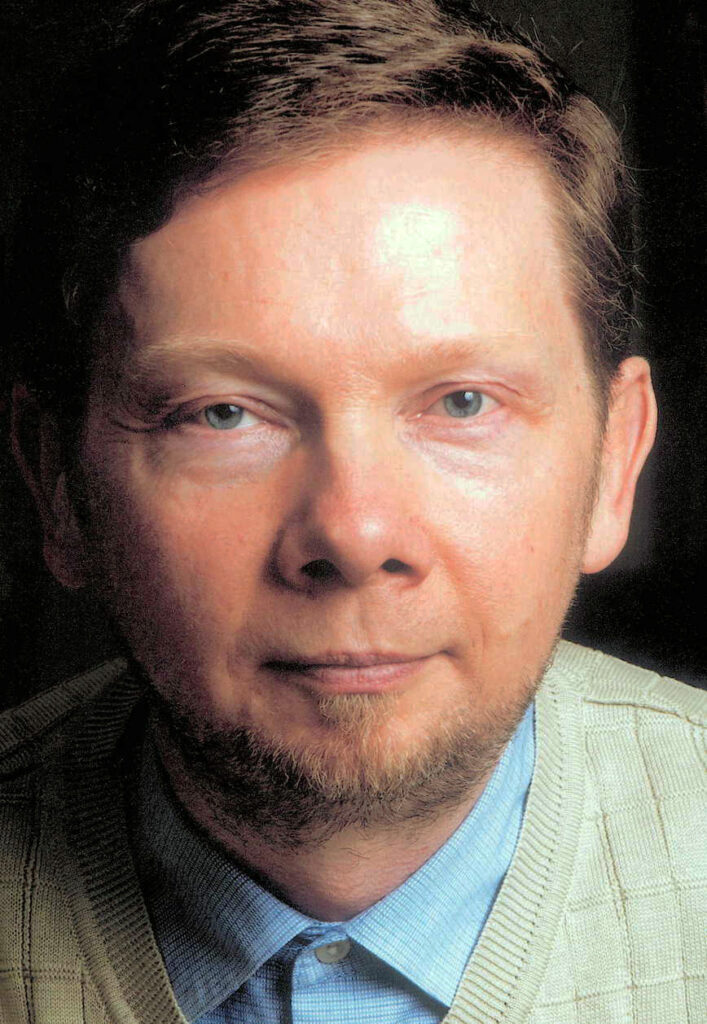
| Eckhart Tolle (alive) | 1997–present | $70M – $90M | The Power of Now, A New Earth |
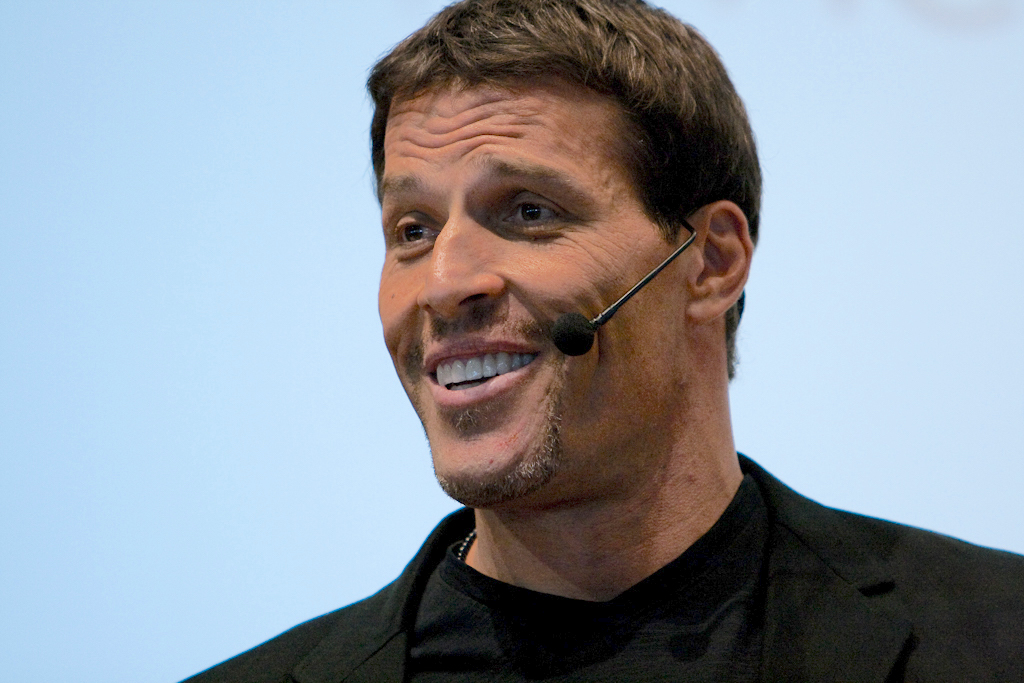
| Tony Robbins (alive) | 1986–present | $600M – $700M | Awaken the Giant Within, seminars |
| Mel Robbins (alive) | 2011–present | $30M – $60M | The 5 Second Rule, Let Them Theory |
| Brené Brown (alive) | 2010–present | $40M – $70M | vulnerability research, Daring Greatly |
Dyer’s estate is smaller than peers like Tony Robbins (whose business diversified into seminar-and-portfolio empire economics) but consistent with the typical economics of a lifetime publishing-and-speaking career. His outsized cultural influence — as measured by quote shares, citations, and continued backlist sales — exceeds his pure dollar net worth.
Frequently asked questions
What was Wayne Dyer’s net worth when he died?
At the time of his death in August 2015, contemporaneous reporting placed Wayne Dyer’s estate at approximately $20 million. His ongoing royalty income from his Hay House publishing catalog plausibly continues to generate $2-4M annually for his estate.
How did Wayne Dyer die?
Wayne Dyer died on August 29, 2015 at his home in Maui, Hawaii. He was 75 years old. The cause of death was reported as a heart attack. He had been diagnosed with leukemia in 2009.
How many books did Wayne Dyer write?
Dyer authored more than 40 books over his career. His most famous title remains the 1976 debut Your Erroneous Zones, which sold an estimated 35 million copies worldwide and helped define the modern self-help genre.
Was Wayne Dyer in the original “The Secret”?
Yes. Dyer was one of the featured teachers in Rhonda Byrne’s 2006 documentary The Secret. His appearance introduced his work to a younger audience and helped sustain backlist sales for years after.
What was Wayne Dyer’s relationship with Hay House?
Dyer was one of Hay House’s anchor authors for more than two decades. Hay House — founded by Louise Hay, who co-anchored the publisher with Dyer for many years — published the bulk of his post-1990s catalog. Dyer’s PBS specials, audio programs, and book bundles flowed through Hay House’s distribution.
Was Wayne Dyer related to other self-help figures?
He was a longtime professional collaborator with Louise Hay (Hay House founder), Esther and Jerry Hicks, Marianne Williamson, and other Hay House authors. He also publicly cited Maslow, Erich Fromm, and Rollo May as personal influences.
What is Dyer’s most famous quote?
His most-cited quote is “When you change the way you look at things, the things you look at change.” It appears in multiple of his books and is widely shared on social media. (For more, see our growing collection of Wayne Dyer quotes on the site.)
Did Wayne Dyer have children?
Yes. Dyer had eight children from three marriages and was a frequent featured family figure in his later books and PBS specials. Several of his children are now active in self-help, wellness, and entrepreneurship.
What is “intention” in Wayne Dyer’s work?
“Intention” — as Dyer used the term, especially in The Power of Intention (2004) — is the underlying creative force he believed connects all things. The framing draws on Tao, Hindu, and Christian contemplative traditions and represents Dyer’s gradual shift from pop-psychology toward more explicitly spiritual themes in his later career.
Are Wayne Dyer’s books still in print in 2026?
Yes. The vast majority of his catalog remains actively in print through Hay House and translation partners worldwide. Backlist sales continue to be substantial, particularly for Your Erroneous Zones, The Power of Intention, and Change Your Thoughts — Change Your Life.
Who manages Wayne Dyer’s estate now?
The estate is managed privately by family members and trusted advisers. Specific arrangements have not been publicly disclosed. Hay House continues to handle royalty processing and publishing rights for his catalog.
How much did Your Erroneous Zones sell?
Estimates of cumulative sales for Your Erroneous Zones commonly cite 35 million copies worldwide, making it one of the bestselling non-fiction books of the 20th century — surpassed in self-help only by titles like How to Win Friends and Influence People and The 7 Habits of Highly Effective People.
Bottom line
Wayne Dyer’s $20M estate at death is modest relative to the giants of the contemporary speaking-and-coaching industry, but his cultural footprint is significantly larger than the dollar figure suggests. He shaped how self-help is written, marketed, and consumed for nearly four decades. His estate continues to draw $2-4M annually in royalties from a publishing catalog that has aged remarkably well — testament to the durable commercial value of evergreen personal-development content.
Sources and references
- Hay House publishing — Wayne Dyer page
- Wayne Dyer official site — drwaynedyer.com
- Forbes — coverage of Hay House author economics
- The New York Times — obituary and bestseller-list archive
- The Secret (2006) — featured documentary appearance
- Wikipedia — Wayne Dyer
- PBS pledge-drive content archive
Responses