Venezuela: Is the US Provoking a Conflict Maduro Won’t Take the Bait On?

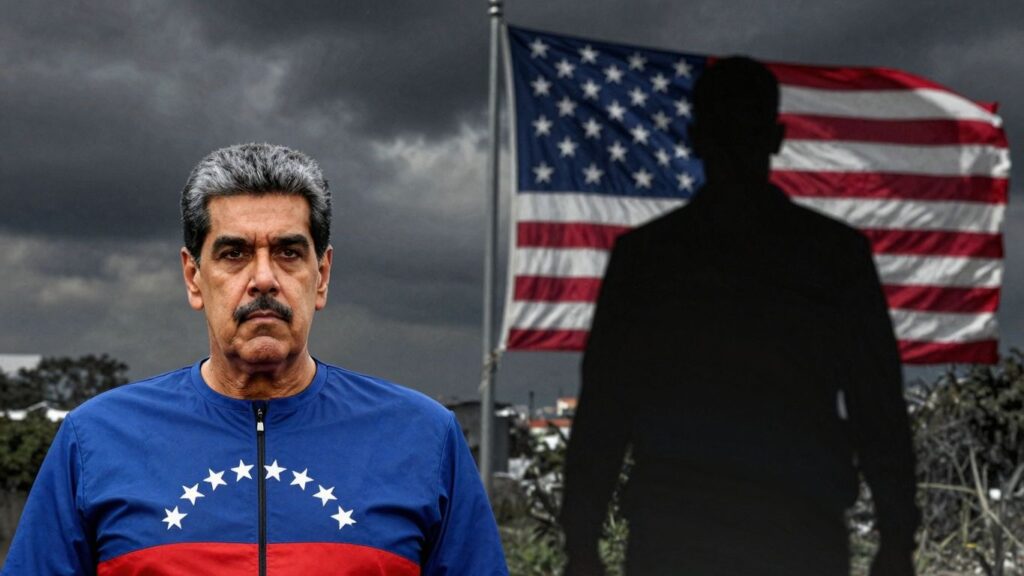
The United States has been building up military presence in the region for weeks, leading to questions about the likelihood of an actual attack on Venezuela. While some speculate a 60% chance of a symbolic, ineffective strike, the reality on the ground suggests a more complex situation.
Key Takeaways
- The US lacks sufficient ground forces for a meaningful intervention in Venezuela due to its size and trained military.
- US actions, like fighter jet incursions, appear to be attempts to provoke a reaction from Maduro, similar to past tactics.
- Maduro is currently not taking the bait, instead coordinating with Russia, China, Iran, and regional leaders.
- Internal US military command friction exists between SOCOM/JSOC and SOUTHCOM.
- Concerns about war crimes and the US being overstretched globally are causing hesitation.
The Unwinnable Conflict Scenario
Estimates suggest a 60% chance the U.S. might attempt a limited strike on Venezuela. However, such an action would likely be symbolic and militarily ineffective. The sheer size of Venezuela, three times that of Vietnam, combined with its trained military and paramilitary forces, makes any ground campaign incredibly difficult. With only about 18,000 personnel currently deployed, most of whom are not ground troops, a significant intervention is simply not feasible without risking American lives and causing civilian casualties.
A Playbook of Provocation
Analysts suggest the U.S. is employing a tactic of provocation, trying to bait Maduro into reacting. This strategy is not new; a similar approach was used in 1988 to provoke Manuel Noriega in Panama. A recent example is a 40-minute incursion by U.S. fighter jets into Venezuelan airspace. This action, flying directly within sovereign territory, would typically elicit a strong response from any nation. However, Maduro appears to be resisting this provocation, opting instead to quietly coordinate with allies like Russia, China, Iran, and regional leaders.
Political Pressure and Military Reality
Statements from political figures, like President Trump’s assertion that "Maduro’s days are numbered," create significant political pressure. If substantial military power is deployed without a resulting action, it risks making the administration appear weak. Conversely, initiating an attack could lead to a costly and unwinnable conflict. The current deployment, which has lasted for months with no clear results, is straining naval crews and consuming considerable financial resources.
Internal Military Friction and War Crime Concerns
Internally, the U.S. military is reportedly experiencing command friction. There’s a dynamic where SOCOM/JSOC seems to be directing operations rather than the designated SOUTHCOM, leading to bureaucratic conflict. The recent resignation of the SOUTHCOM commander might be linked to these command issues. Furthermore, concerns about potential war crimes, highlighted by recent incidents involving civilian deaths at sea, are causing hesitation. Officers are wary of being held responsible for illegal orders, and leaks to the press suggest the military is distancing itself from politically driven decisions.
The Bigger Strategic Picture
From a broader strategic viewpoint, the U.S. appears overstretched. The capacity to engage effectively in Venezuela while simultaneously confronting Russia, Iran, and potentially China is questionable. This situation risks the U.S. stumbling into a politically motivated conflict that could prove militarily disastrous, all while lacking a clear national security strategy and sufficient resources.


Responses