US Military Actions in Venezuela and the Future of Naval Power


The US military recently conducted its 29th strike against a suspected drug-smuggling boat in the eastern Pacific. This action comes as the US continues its pursuit of Venezuelan oil tankers. Southern Command stated that intelligence confirmed the vessel was involved in drug trafficking along known routes, resulting in the death of one individual.
Key Takeaways
- The US administration is committed to continuing strikes against suspected drug traffickers at sea.
- These actions, along with the pursuit of oil tankers, are part of a broader strategy to pressure the Venezuelan regime.
- There are questions about the ultimate objective of these actions and their potential impact on American national security.
- The effectiveness of traditional surface fleets in modern naval warfare is being questioned, with a potential shift towards subsurface capabilities.
- The development of new, large, and expensive naval platforms faces significant challenges and may not align with evolving warfare strategies.
Escalating Pressure on Venezuela
Colonel Mark Canian, a retired Marine Corps Reserve Colonel, noted that the administration has been clear about its intention to continue these strikes. He believes more such actions are likely, especially since the president claimed a significant reduction in maritime drug trafficking due to discouraged smugglers. This suggests a consistent policy regardless of other global events.
Retired Army Lieutenant Colonel Daniel Davis added that while these targeted strikes might disrupt operations in one area, drug traffickers often find alternative routes. He emphasized the need to understand the overarching objective. Is the goal to remove Maduro from power, or something else? Davis pointed out that President Trump was vague when asked directly about removing Maduro, raising questions about how this advances US national security and what the plan is if these efforts fail. He cautioned that further military action could lead to an unpredictable and potentially negative spiral.
The "Massive Armada" and Maduro's Future
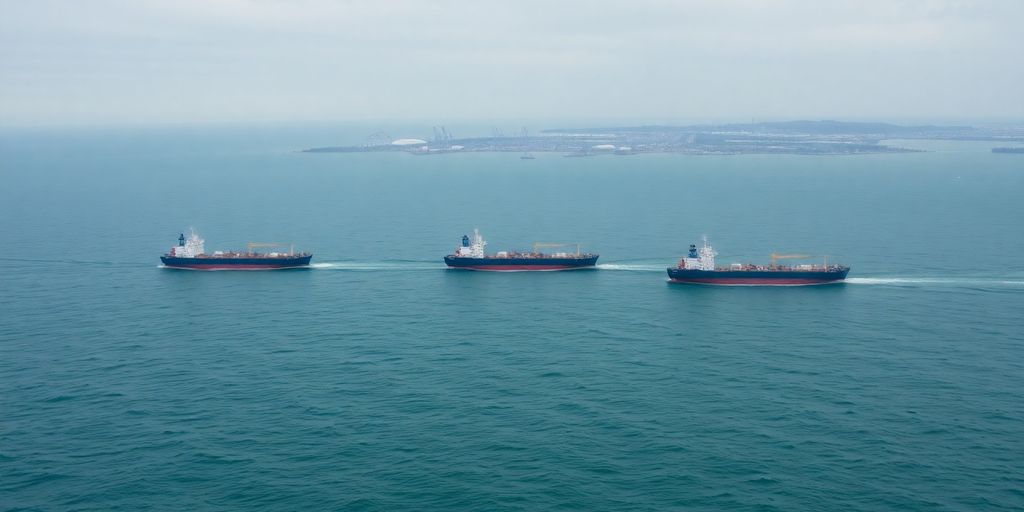
President Trump himself commented on the situation, mentioning a "massive armada" in South America and stating that Maduro could "do whatever he wants." However, he also suggested it would be "smart for Maduro to leave power." Colonel Canian believes the administration hopes the Maduro regime will collapse under the pressure, potentially through a coup or Maduro choosing to leave voluntarily. He mentioned past attempts to negotiate with Maduro, which were unsuccessful. While the president was indirect, other officials have been more explicit about aiming to remove the Maduro regime, a goal that has shifted from an initial focus on drugs to a broader objective concerning the regime itself.
The Future of Naval Power: Trump Class and Beyond
The discussion then shifted to the Pentagon’s "golden fleet," specifically the Navy’s new battleships, which are to be named the "Trump class." The first ship will be called the "Defiant," with plans for 20 to 25 ships in total. Colonel Davis expressed skepticism about the practical realization of these concepts. He recalled the DD-1000 destroyer project, which faced massive cost overruns and produced only a few ships, many of which are reportedly not operational. Davis questioned whether the nature of naval warfare has changed, citing the vulnerability of surface ships in conflicts like the Russia-Ukraine war. He suggested that the era of surface fleet dominance might be over and that the focus should shift more towards subsurface capabilities, as ships at sea are increasingly vulnerable and current defenses may be insufficient.
Colonel Canian agreed, predicting that the "Trump class" ships might never be built due to the lengthy design and construction process, potentially taking a decade. He estimated the lead ship could cost around $12 billion, with follow-on ships costing about $9 billion. Canian noted that the Navy is already moving away from building a few very expensive, highly capable ships towards a more distributed approach because of the vulnerability of surface vessels.

Responses