Ukraine’s Path to Disaster: A Critical Look at the War’s Trajectory

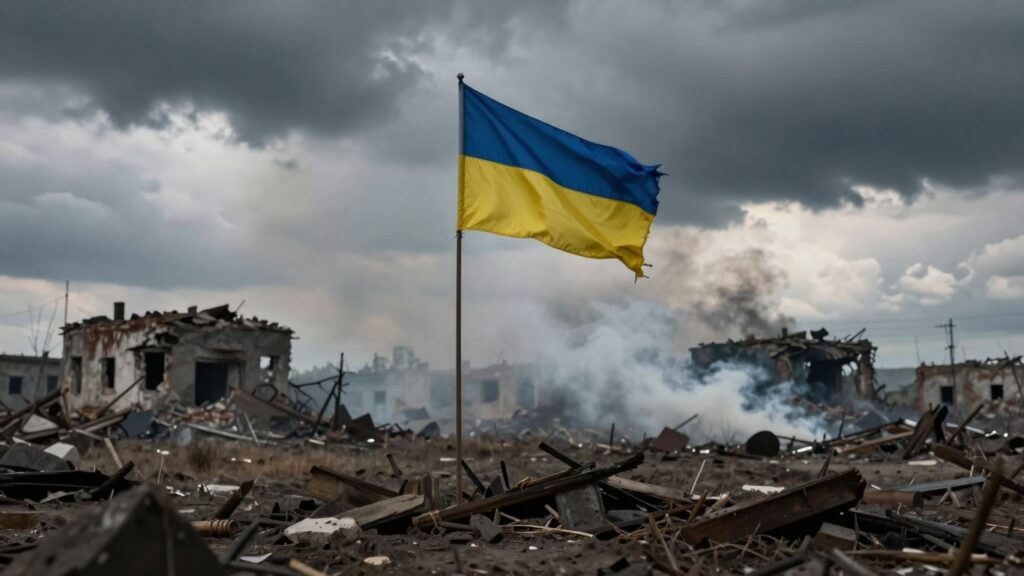
The current situation in Ukraine is dire, with leaders still pushing for terms that seem detached from reality. Despite the war nearing its fourth year, Ukraine’s President Zelenskyy continues to call for a "realistic peace" and insists Russia must agree to their terms. This echoes a sentiment that has, in part, led Ukraine to its current predicament.
Early Missteps and Missed Opportunities
When the conflict began, the narrative was that Russia expected a swift victory, aiming to take Kyiv in just three days. However, it wasn’t just Russia’s plan; even U.S. military leadership, like General Mark Milley, publicly suggested Ukraine might fall quickly. In fact, the U.S. moved its embassy out of Kyiv to Lviv due to security concerns. President Zelenskyy famously chose ammunition over evacuation, a decision that, while brave, may have foreclosed an earlier, less destructive negotiated settlement. Had Ukraine accepted a humiliating settlement then, the war might have been avoided entirely.
Russia's Strategic Patience vs. Ukraine's Losses
While Ukraine’s fierce resistance in the early days was commendable, it came at a steep cost. Russia, initially caught off guard with only a "Plan A," used the subsequent year and a half to regroup. They have since been rebuilding, retooling, and expanding their military in both quantity and quality. They’ve learned to counter Western weaponry and are adapting their strategies. Meanwhile, Ukraine has lost a significant portion of its most experienced and motivated fighters. The current Ukrainian forces are often short-lived on the front lines, with numbers that pale in comparison to Russia’s.
Key Takeaways
- Russia’s Recovery: Despite early setbacks, Russia has used time and resources to rebuild and adapt its military.
- Ukraine’s Manpower Crisis: Ukraine has suffered heavy losses of experienced personnel, making recovery and rebuilding difficult.
- Western Influence: Western demands for troop deployments or security guarantees are unrealistic given the power dynamics.
- Lack of Negotiation: Continued escalation rhetoric signals to Russia that negotiation is pointless.
- Trump’s Missed Opportunity: Former President Trump had the leverage to force a negotiation framework but failed to use it.
- European Elites’ Stance: Some European political elites may prefer a prolonged war to justify increased militarization and demonize Russia.
- Defense Industry Benefits: The ongoing conflict benefits defense contractors more than ordinary citizens.
- Escalation Risks: Prolonging the war increases the risk of exhaustion for Ukraine and a potential direct confrontation between Russia and NATO.
- Historical Grievances: Russia’s historical issues, particularly regarding NATO expansion, will continue to influence its responses.
- Catastrophic Outcomes: Without decisive leadership for realism and negotiation, the current path risks disastrous consequences, including nuclear escalation.
The Role of Leadership and Missed Opportunities
Western nations, including the United States, have been cheering on Ukraine’s fight without fully grasping the long-term implications. The focus on Russian losses blinded many to Russia’s capacity to recover and adapt. The West lacks the power to compel Russia to accept its demands, and continuing down this path only convinces Russia that negotiation is unnecessary.
Former President Trump, despite his claims of being a "dealmaker," has failed to use his significant leverage. Instead of setting a clear negotiating framework, he has largely rambled, allowing Ukrainian President Zelenskyy and NATO officials to dictate the escalation narrative. This inaction means Ukraine continues to push for terms that Russia is unlikely to accept, prolonging the conflict.
European Elites and the Prolonged War
There’s a concerning possibility that some European political elites are content with a prolonged war. By framing Russia as a perpetual enemy and using Ukraine’s destruction as justification, they can push for greater military spending and solidify their own positions. This dynamic benefits defense industries but not the people of Ukraine, America, or Europe. The continued conflict risks exhausting Ukraine entirely and steadily increases the chance of a direct clash between Russia and NATO.
The Stark Reality and the Path Forward
The current policies are leading toward catastrophic outcomes. Russia, remembering past grievances, particularly concerning NATO expansion, will continue to respond forcefully to perceived threats. The speaker warns that without decisive leadership to impose realism and push for negotiations, the situation could escalate to a point of no return, potentially including nuclear conflict. The use of even one nuclear weapon would fundamentally alter the world as we know it. This situation is a result of a decade-long policy failure, and an immediate course correction is needed to avert disaster.


Responses