Ukraine’s Drone Strike: A New Phase in the Russia-Ukraine War?


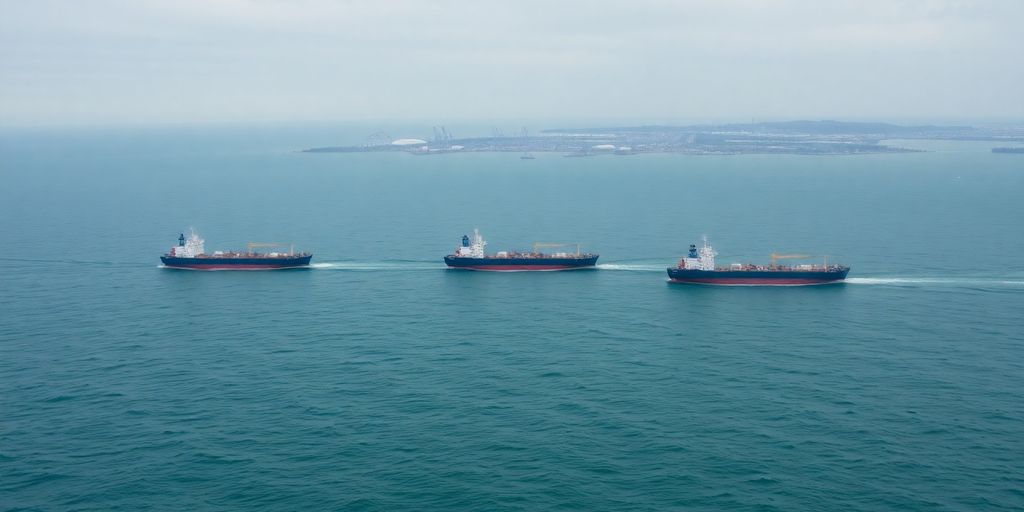
The Russia-Ukraine war, which many thought was winding down with peace talks happening, seems to be expanding. Ukraine recently launched an attack on a Russian oil tanker in the Mediterranean Sea. This strike, happening far from the usual battlegrounds, marks a significant shift and raises questions about the war’s future.
Key Takeaways
- The war is expanding geographically, not just in terms of conflict zones.
- Attacks on assets outside Ukraine carry the risk of drawing in other countries.
- This specific attack is unlikely to have a major impact on Russia’s ability to supply fuel.
- Russia is expected to retaliate, likely within Ukraine’s borders.
- Peace talks have been ongoing but are complicated by both sides’ positions.
- Negotiated settlements for wars often take years, not months.
The Expanding Battlefield
Retired Lieutenant Colonel Daniel L. Davis points out that the recent drone strike on a Russian oil tanker in the Mediterranean is a clear sign of the war expanding. While it hasn’t targeted new countries directly, it has broadened the geographical scope of the conflict. Davis has expressed concern that expanding the war beyond Ukraine’s borders could potentially involve other nations. However, he notes that so far, the targets have been Russian assets, not necessarily other countries’ direct involvement. Still, hitting ships flagged by other nations or located in their ports carries a risk of escalation.
Impact on the War Effort
Despite the dramatic nature of the attack, Davis believes it won’t significantly impact the war itself. Russia has a vast network of oil tankers, pipelines, and other methods to transport fuel. There are over 1,300 such ships, and disrupting one is unlikely to cripple their supply chain or revenue. He emphasizes that every action has a reaction, and Russia is expected to respond. While the exact nature of the response is unknown, Davis predicts it will likely occur within Ukraine’s borders, possibly in a place like Odessa, rather than escalating the conflict to new countries.
The Long Road to Peace Talks
The ongoing peace negotiations have been complex, with multiple parties involved – the US, Ukraine, Russia, and Europe. Davis explains that historically, ending wars through negotiation often takes years. This is especially true when neither side feels they are losing or in a position where they must settle. Ukraine, while on the defensive, doesn’t believe it has lost and hopes for continued fighting to potentially shift the dynamics or draw in more support. Russia, feeling it has the upper hand, sees no reason to compromise. This creates a stalemate where both sides are at opposite ends, and progress in talks is slow. The current situation is characterized by a lot of discussion but little movement towards a resolution.

Responses