Ukraine War: Why Peace Talks Are Off The Table For Now

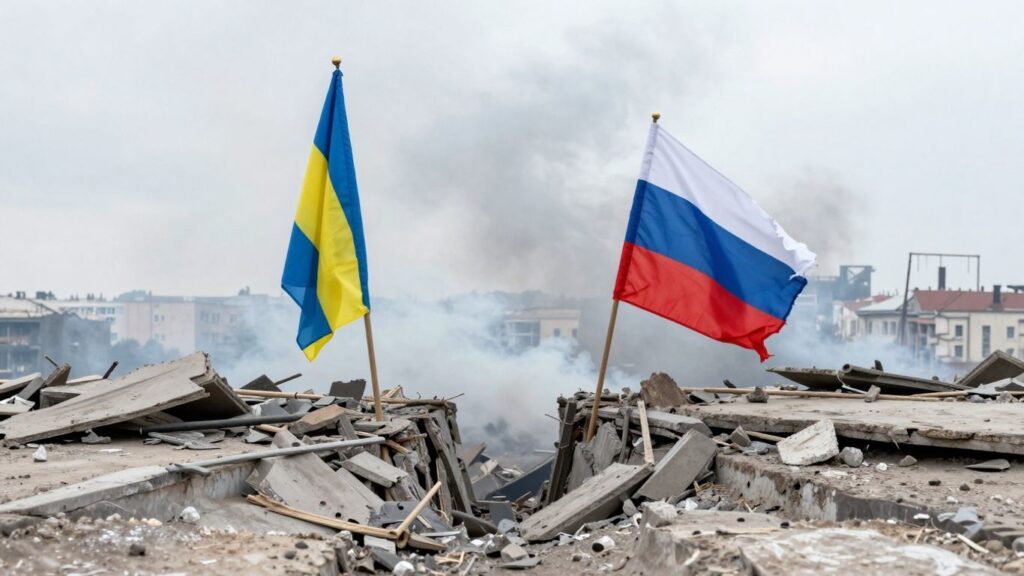
Recent diplomatic efforts, including talks in Miami, have shown little progress in ending the conflict between Russia and Ukraine. It seems like everyone is just going through the motions, focusing on their own goals rather than finding a real solution. The bottom line is, we’re no closer to peace than before, and all these meetings and calls are just spinning wheels.
Wars usually end when one side is exhausted and realizes they can’t win by fighting anymore. That’s when negotiations become possible because both sides are willing to make concessions. Right now, we’re nowhere near that point. Russia has the upper hand militarily, economically, and in terms of production. They’re not going to compromise on what they’ve gained.
On the other side, you have the Europeans, Americans, and Ukrainians. The US seems a bit undecided, with statements from Trump about wanting the war to end. The European Union, however, seems disconnected from reality, wanting the war to continue to hurt Russia, and unwilling to admit they might have failed. The Ukrainians are even more detached, still acting like they’re in a stronger position than they are.
Key Takeaways
- No End in Sight: The current situation makes a negotiated settlement unlikely anytime soon. The war is expected to continue as a prolonged Russian advance until Ukraine decides it’s no longer in their interest to fight.
- Provocation and Response: Recent assassinations of senior Russian figures in Moscow, like the car bombing of a general, appear to be deliberate provocations by Ukraine aimed at triggering a strong Russian reaction to rally Western support. Russia, however, seems to be resisting this trap, likely responding covertly.
- Western Double Standards: The West often praises assassinations of Russian officials as legitimate acts of war while condemning similar actions by Russia. This inconsistency undermines the West’s moral authority and diplomatic influence.
- Financial Support Fuels Conflict: The EU’s recent commitment of around €90 billion in aid allows Ukraine to avoid negotiations and plan for at least two more years of fighting, rather than seeking a peaceful resolution.
- Dangerous Rhetoric: Calls from some US figures, like Lindsey Graham, to escalate the conflict by providing advanced weapons to Ukraine and potentially engaging in direct confrontation with Russia are seen as dangerous and ill-advised, risking a wider war.
Assassinations as Provocation
Over the weekend, a senior Russian general was killed in Moscow by a car bomb. This is the third such assassination of a high-ranking military officer in a year. While Ukraine hasn’t officially claimed responsibility, it’s widely believed they are behind it. These actions seem intended to provoke a strong Russian response, which Ukraine could then use to gain more Western support.
Russia, however, appears to be avoiding a major, public retaliation. Instead, they might respond covertly, similar to how the Israeli Mossad operates – painful for the recipient but not a flashy, easily traceable event. This approach avoids falling into a trap set by the West, which would likely condemn any Russian retaliation regardless of the circumstances.
Western Double Standards Undermine Authority
The way assassinations are viewed highlights a significant double standard. When Russian officials are targeted, it’s often framed as a legitimate act of war. However, if Russia were to retaliate by targeting Ukrainian officials, the West would likely condemn it as barbaric, ignoring the tit-for-tat nature of the conflict. This inconsistency weakens the West’s moral standing and its claims about international law.
This hypocrisy makes Western statements about morality and the rule of law sound hollow. It reduces their influence and makes it harder to hold other nations accountable when they see the West applying different rules to different sides.
Financial Aid Fuels Continued Fighting
Despite efforts by figures like Trump to find a negotiated settlement, Europe and Ukraine show little interest in ending the war. The EU’s recent pledge of €90 billion in aid is a prime example. Ukrainian President Zelensky stated this funding gives him the ability to avoid negotiations and plan for at least two more years of fighting.
This financial lifeline, technically a loan but with the expectation that Russia will pay reparations, means Europe is unlikely to recoup the money. This will likely worsen Europe’s economic problems. The aid is primarily for salaries and buying weapons, with much of the latter coming from the US, benefiting its economy. Europe, on the other hand, gains little and faces significant financial loss.
Calls for Escalation and the Risk of Wider War
Some voices in the US, like former General Jack Keane and Senator Lindsey Graham, are pushing for actions that could escalate the conflict. Keane’s proposal for a multinational force with air, land, and sea components inside Ukraine to enforce a peace deal is seen as something Russia would never agree to, as it solidifies the very issues that led to the war.
Lindsey Graham has gone further, suggesting that if Putin doesn’t agree to terms, Trump should provide Ukraine with Tomahawk missiles to strike targets within Russia. This kind of rhetoric is dangerous, as it risks drawing the US into a direct conflict with a nuclear power, a war that is unnecessary and not in America’s interest.
These proposals ignore the reality that Russia will not agree to terms that undermine its security, especially when it holds a position of military superiority. The core issues of demilitarization, denazification, and neutrality remain central to Russia’s position. Pushing for terms that Russia will reject only prolongs the conflict and increases the risk of a wider war.


Responses