Ukraine Peace Talks: Unlikely? Colonel Macgregor Weighs In


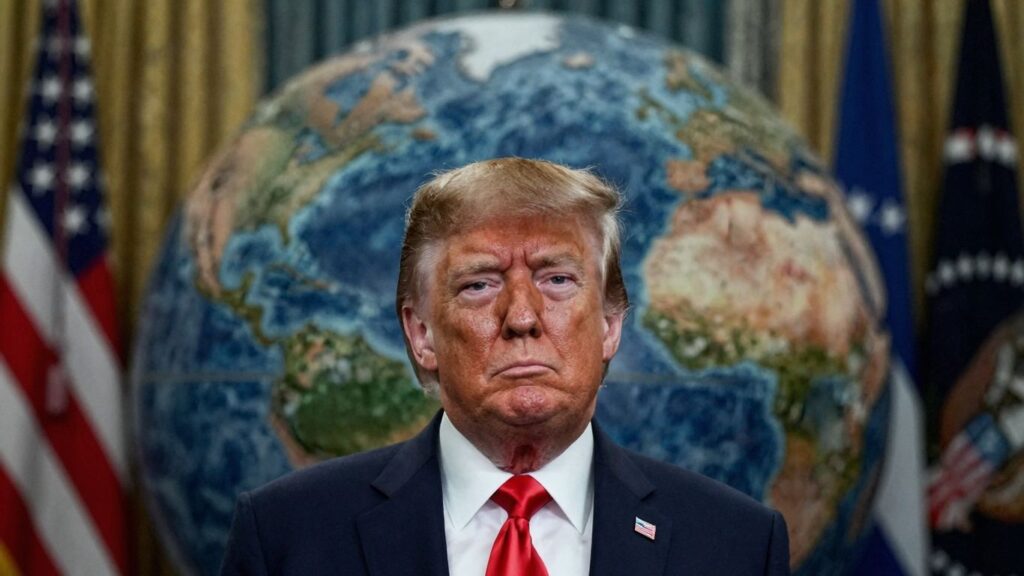
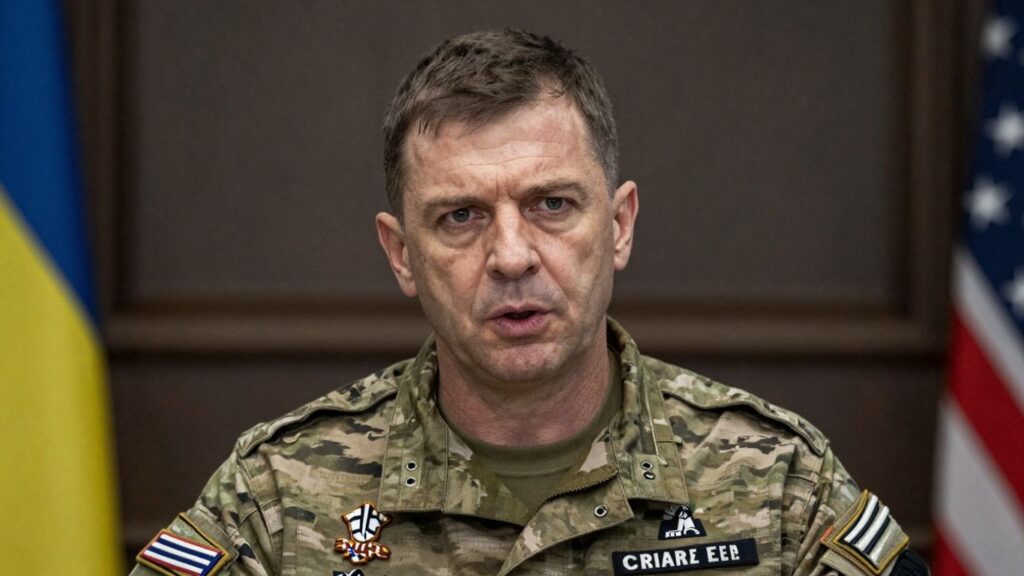
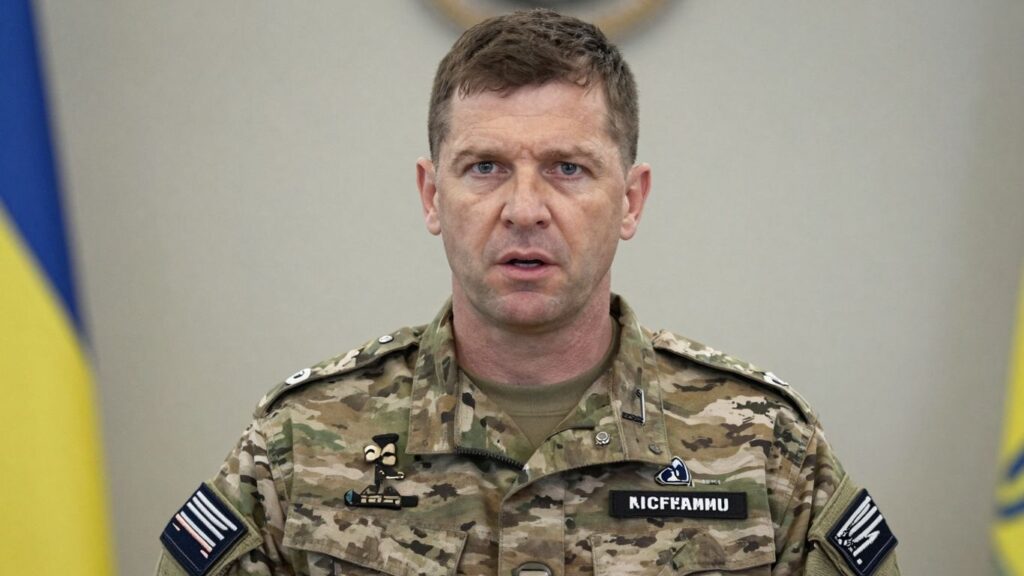
Donald Trump is pushing hard for peace between Russia and Ukraine, seemingly eager for a Nobel Peace Prize. He’s advocating for all sides to do what it takes to end the conflict, believing both Putin and Zelensky want a deal. However, when you look at the terms desired by Trump’s side and the realities faced by Ukraine and Western Europe, significant problems are emerging. Colonel Douglas Macgregor, a defense and foreign policy analyst and decorated combat veteran, joins the discussion to break down the military aspects and the likelihood of peace.
Key Takeaways
- Trump’s peace efforts are seen as more about optics and "reality TV" than substantive preparation.
- Past peace initiatives and deadlines have not materialized.
- European leaders and US officials like Mike Pompeo are pushing narratives that Macgregor dismisses as unrealistic or false.
- Russia’s objectives are focused on neutralizing the Ukrainian threat, not necessarily territorial conquest.
- A neutral Ukraine, similar to the Austrian State Treaty model, is proposed as a potential solution.
- NATO is viewed as a "terminal patient" that has lost its purpose.
- The US’s role in the Middle East should focus on stability and commercial relations, not military intervention.
Trump’s Peace Push: Optics Over Substance?
We’ve talked before about Trump’s enthusiasm for ending the war, with various deadlines coming and going. He recently suggested we’d know something in a couple of weeks. While Trump is a definite improvement over Biden, especially in his willingness to talk to Russia, his approach seems more theatrical than strategic. Colonel Macgregor likens Trump’s actions to a "long uninterrupted reality TV show," where meetings are staged for appearances rather than built on months of careful preparation. Unlike the systematic groundwork laid for US-Soviet summits in the past, Trump’s approach lacks that depth. The Alaska meeting, for instance, was a "feel-good moment" with little substance, and Macgregor doesn’t see any agreements on the horizon. He cautions against claims of ending the war quickly, comparing it to selling a used car to someone unfamiliar with the product.
Dismissing Official Narratives
Discussions around potential peace terms, like Russia taking back the Donbas region, are often met with skepticism. Mike Pompeo, former Secretary of State and CIA Director, dismissed the idea that Russia would get the Donbas for free, given the heavy losses they’ve sustained. Macgregor, however, dismisses Pompeo’s statements, calling them part of a "fictitious narrative" and advising not to pay much attention to him. He argues that Russia has suffered immense casualties and that Zelensky will likely have to accept that some territory won’t be reclaimed immediately. Similarly, comments from leaders like Emmanuel Macron, suggesting Russia’s limited gains, are seen as part of a globalist agenda by Macgregor. He believes these leaders are clinging to power and pushing a false narrative about Russia being a threat.
Russia’s Objectives and a Path Forward
Macgregor suggests that Putin’s initial goal wasn’t to capture territory but to "utterly and completely annihilate the Ukrainian threat" by destroying its military forces. He claims that millions of Ukrainians have been killed and that Russian forces are now operating beyond the Dnieper River. He emphasizes that areas populated by Russians, where Russian culture is predominant, will be protected and kept. The idea of Russia marching to the Polish border is dismissed as nonsense. Macgregor proposes that if no one is willing to negotiate a neutral status for Ukraine, similar to the Austrian State Treaty model, Russia might be forced to move further west. He criticizes the West for demonizing Putin and pushing a false narrative, suggesting that most people, except for the US and its "globalist friends," want peace.
The "Coalition of the Willing" and NATO’s Future
The concept of a "coalition of the willing" to oversee a ceasefire is questioned due to the sheer scale of troops required. Estimates suggest hundreds of thousands of soldiers would be needed to adequately man the long Ukrainian border, a number that European armies cannot realistically provide. Macgregor views NATO as a "terminal patient" that has lost its original purpose and is now seeking a new reason to exist. He believes the alliance is finished and that countries will eventually pull the plug.
America’s Role and Interests
When asked about America’s genuine interests in the Middle East, Macgregor stresses the importance of stability and commercial relations, rather than military intervention. He criticizes recent US decisions, like admitting a large number of Chinese students, and advocates for removing tariffs and finding ways to do business with China. He also questions the government’s involvement in high-tech firms like Intel, arguing that the private sector should be unencumbered by government interference. Macgregor believes that some businesses need to be allowed to fail, a concept he calls "creative destruction."
The Middle East Conflict
Regarding the conflict in Gaza, Macgregor notes that Israel is struggling to achieve its objectives and is facing internal dissent. He points out that many Americans are indifferent or even supportive of the actions taken, fueled by a long-standing negative stereotype of Arabs. He believes that without continued US financial support, Israel’s economy would collapse. Macgregor predicts a resumption of the war and more casualties, with the potential to draw in other regional and global powers. He concludes that while Israel may not be able to accomplish its ultimate goals, it can sustain the conflict due to US backing.






Responses