Ukraine Negotiations: Russia’s Stance and the Shifting Landscape

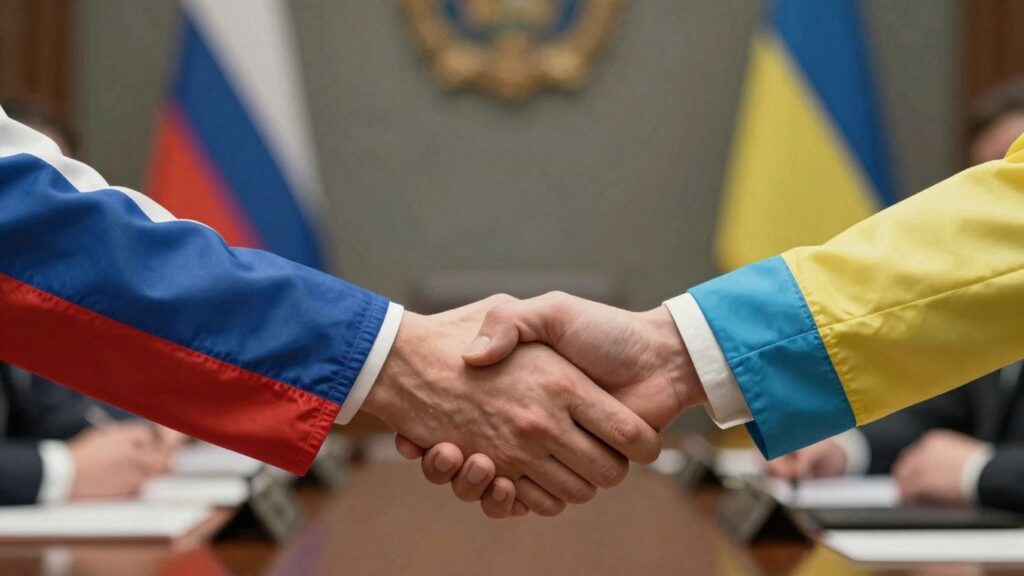
Recent discussions suggest a significant hardening of Russia’s negotiating position regarding Ukraine. Back in March 2022, Russia was reportedly open to Ukraine remaining intact, provided certain conditions were met: protection for Russian speakers in the Donbas and a clear commitment that Ukraine would not join NATO. However, this offer was not accepted by Ukraine and its Western allies.
As of June 2024, Russia’s demands have expanded considerably. Moscow is now seeking permanent control over five territories, the removal of NATO’s influence, and new elections in Ukraine to establish a "legally constituted" government before any serious talks can begin. President Putin has indicated that any rejection of the current offer will lead to even tougher terms in the future.
The recent discussions involving figures like Witkoff and Kushner in Moscow are described not as formal negotiations, but rather as a preparatory phase. This stage is about outlining Russia’s non-negotiable "red lines" and setting the groundwork for potential future talks, especially if Ukraine undergoes leadership changes.
Key Takeaways
- Russia’s negotiating position has become significantly more demanding since early 2022.
- Russia insists on dealing with a legally constituted Ukrainian government, not current leadership.
- Europe is largely sidelined in the current U.S.-Russia dialogue.
- Signs suggest the U.S. may be losing patience with the situation, potentially due to corruption concerns.
- Corruption allegations are widespread and could involve various international figures.
- Ukraine’s stated "red lines" appear unrealistic given the current battlefield and geopolitical realities.
- The current phase is seen as preparation for talks, not the beginning of substantive negotiations.
The Evolution Of Russia’s Demands
In March 2022, the core Russian proposal centered on Ukraine’s territorial integrity in exchange for security guarantees and neutrality. This was a distinct offer from the current stance. The shift to the June 2024 position, which includes demands for territorial control and new elections, highlights a more assertive approach from Moscow.
President Putin has publicly stated that genuine negotiations would involve specific high-level Russian officials like Lavrov, Medinsky, and Ushakov. Their absence from recent preparatory meetings indicates that these were preliminary discussions, not the main event.
Ukraine’s Leadership And Legitimacy
Russia has expressed an unwillingness to negotiate with current Ukrainian President Zelensky or Commander-in-Chief Zaluzhny, viewing their mandates as illegitimate. The Russian perspective is that only a newly elected Ukrainian government can enter into binding agreements. This stance creates a significant political hurdle for any immediate peace process.
Europe’s Role And The U.S. Position
Europe is portrayed as being on the periphery of these discussions, with Russia excluding them from direct dialogue. European leaders calling for increased military spending and battlefield pressure are seen as disconnected from the ongoing U.S.-Russia dialogue.
There are indications that the U.S. may be reassessing its involvement. Reports suggest a potential cutoff of military aid to Ukraine, and the U.S. Secretary of State’s absence from a key NATO meeting are interpreted as signs of waning patience in Washington. This is occurring alongside growing concerns about corruption within the Ukrainian leadership.
Corruption Allegations And Potential Fallout
Allegations of corruption are reportedly more extensive than publicly known, potentially implicating U.S. lawmakers and European officials. While President Zelensky is mentioned as a possible "fall guy," his removal is seen as risky due to the information he might possess. The recent stepping down of key Ukrainian officials like Yermak due to corruption allegations further fuels these concerns.
These corruption issues could extend to international figures who have profited from the situation. The flow of money, potentially in the tens of millions to various officials, raises questions about accountability. While some individuals might face charges, it’s doubted that those in the highest positions will be held responsible. Zelensky himself could be a potential scapegoat, but his removal carries the risk of him revealing damaging information.
Ukraine’s "Red Lines"
Ukrainian officials have outlined their own set of non-negotiable points, often referred to as "red lines." These include:
- No recognition of Russian control over occupied territories.
- No limitations on Ukraine’s military capabilities.
- No restrictions on Ukraine’s right to choose its alliances, including NATO membership.
- The principle of "Nothing about Ukraine without Ukraine."
The argument presented is that these demands are unrealistic, especially when contrasted with the current military situation and Russia’s stronger negotiating position. Russia, on the other hand, is seen as having a strong hand, with superior industrial capacity, advanced weaponry, and a more stable economy compared to Ukraine’s reliance on external aid.
The Current Stage: Preparation, Not Peace
Overall, the situation is characterized by Russia’s firm and legalistic approach, holding a significant advantage. Ukraine is depicted as facing political constraints and internal instability. Europe is largely excluded, while the U.S. remains the primary actor Russia engages with. The current phase is viewed as a necessary prelude to actual peace negotiations, involving the careful orchestration of diplomatic groundwork rather than substantive talks.




Responses