Vienna rewards people who slow down. The big imperial sights (Schönbrunn, the Hofburg, the Belvedere) live up to their reputation, but the moments that stick are often smaller: a standing-room ticket at the State Opera, a long coffee in a Kaffeehaus, a glass of young wine at a vineyard tavern on the edge of the city. This guide covers both, with honest notes on what’s worth paying for.
Disclosure: this page contains links to GetYourGuide. If you book through them, People & Media may earn a small commission at no extra cost to you.
Our honest attraction reviews
Before you buy a ticket, read our in-depth verdicts on Vienna’s best-known attractions and day trips: what’s great, what’s overrated and how to plan your visit.
14 best things to do in Vienna
1. Climb (or just enter) St. Stephen’s Cathedral
The Stephansdom, with its Gothic spire and patterned tile roof, is the geographic and emotional centre of Vienna. You can walk into the back of the nave for free, and that alone is worth five minutes. The paid extras are the South Tower (a long climb up a narrow spiral staircase, no lift), the North Tower with the huge Pummerin bell, and guided tours of the catacombs.
Time needed: 20 minutes for a look inside, 1 to 1.5 hours with a tower and the catacombs. Cost: free to enter, paid towers and tours. Tip: the cathedral is open from early morning until late evening, but guided visits pause around lunchtime and during services. Come early or after 17:00 for a quieter nave.
2. See the Hofburg: Imperial Apartments and Sisi Museum
The Hofburg was the Habsburgs’ winter residence and is a small city in itself. For most visitors, the combined ticket for the Sisi Museum and the Imperial Apartments is the one to get. The Sisi Museum does a good job of separating the real Empress Elisabeth from the romantic film version: a restless, unhappy woman obsessed with her looks and with escaping court life.
Time needed: about 1 to 1.5 hours. Cost: paid; the official day ticket is €20 for adults at the time of writing. Tip: if you also plan to visit Schönbrunn, look at the Sisi Pass, which bundles Schönbrunn, the Hofburg apartments and the Furniture Museum. Opening hours are 9:00 to 17:30, last entry 16:30.
3. Walk the gardens (and maybe the rooms) of Schönbrunn Palace
Schönbrunn is Vienna’s headline sight, and the park, the Neptune Fountain and the climb to the Gloriette for the view back over the palace cost nothing. The interiors are lavish but shown on a one-way route with fixed time slots, so they’re worth it mainly if royal history really interests you. We break down both ticket options in Is Schönbrunn Palace worth it?
Time needed: half a day. Cost: park free, interiors paid. Tip: take the U4 to Schönbrunn and book the earliest time slot; if you want the story rather than the audio guide, a guided Schönbrunn tour fills in the Maria Theresa and Sisi background.
4. Watch the Lipizzaners at the Spanish Riding School
The white Lipizzaner stallions perform classical dressage in the Baroque Winter Riding School inside the Hofburg, a tradition that goes back more than 450 years. There are three ways in: a full performance (the “ballet of the white stallions”), the cheaper Morning Exercise, where you watch the riders train, and a guided tour of the building and stables.
Time needed: about 45 to 70 minutes for a performance, about an hour for Morning Exercise. Cost: paid; on the official site performances start from €26 and Morning Exercise from €17. Tip: Morning Exercise is less formal and much more affordable, but it’s training, not a show. If seeing the full choreography matters, book a performance ticket well ahead. Children under three aren’t admitted.
5. Spend a morning at the Kunsthistorisches Museum
One of Europe’s great old-master collections, in a building that is a sight in itself. Highlights include the largest collection of Bruegel paintings in the world, plus Vermeer, Rubens, Velázquez and a strong Egyptian and Greek-Roman wing.
Time needed: 2 to 3 hours. Cost: paid; €22 online or €24 on site for adults, free for visitors under 19. Tip: the museum is closed on Mondays and stays open until 21:00 on Thursdays, the quietest time to see the Bruegel room.
6. See Klimt’s The Kiss at the Upper Belvedere
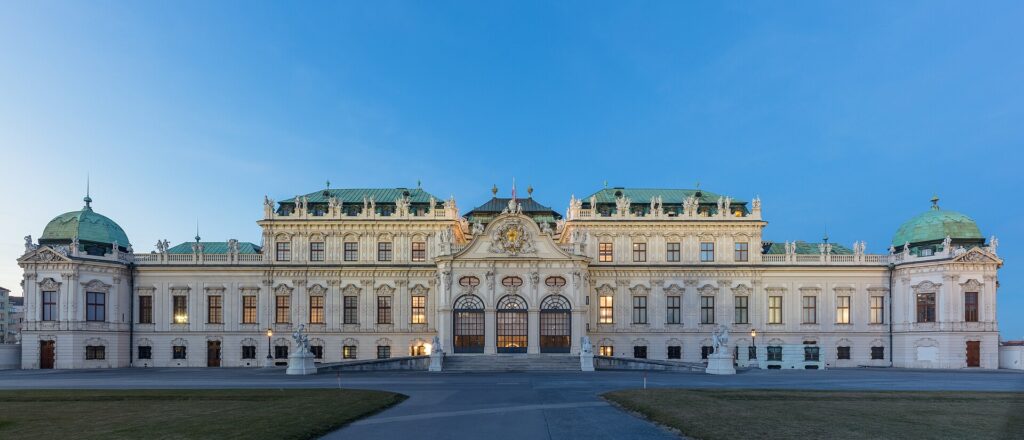
The Belvedere is really two Baroque palaces facing each other across a sloping garden. The Upper Belvedere holds the famous Austrian art collection, with Gustav Klimt, Egon Schiele and Oskar Kokoschka as the main draw.
Time needed: 1.5 to 2 hours. Cost: paid; the standard ticket is €23, free for under-19s. Tip: entry to the Upper Belvedere works with time slots. With an online ticket you walk straight to the entrance, and once you’re in, your visit isn’t time-limited.
7. Catch an opera on a standing-room ticket
The Wiener Staatsoper runs one of the busiest opera programmes in the world, and you don’t need a formal outfit or a big budget to experience it. The opera sells more than 400 standing-room places for each performance, and they cost a fraction of a seat. Subtitles, including English, are available on small screens.
Time needed: an evening, or about an hour for a guided tour of the building. Cost: standing room is very cheap; seats vary widely. Tip: standing-room tickets go on sale only on the day of the performance, from 10:00, online or at the box office.
8. Graze your way through the Naschmarkt
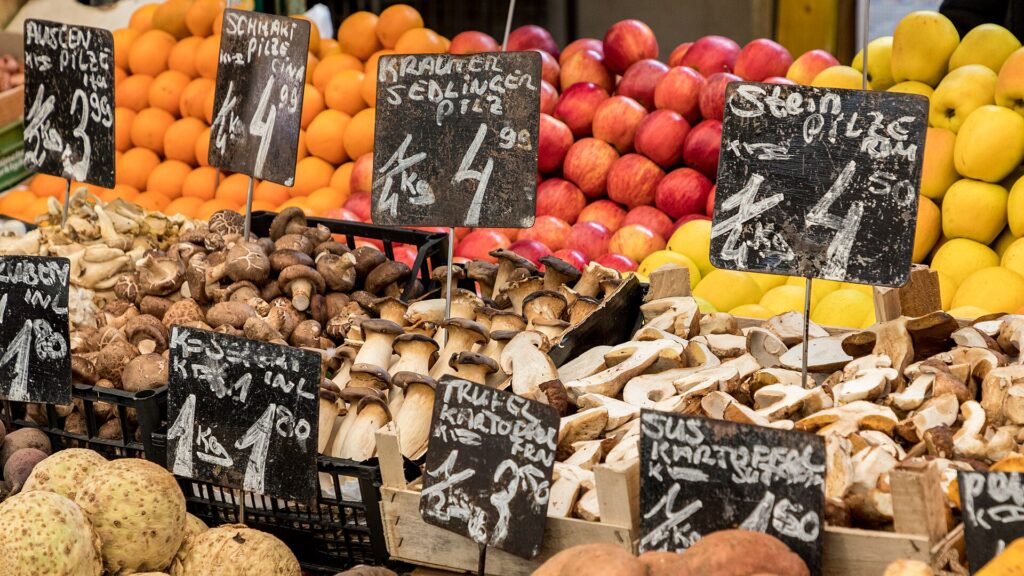
Vienna’s best-known market runs along two lanes of stalls: spices, olives, cheese, Austrian wine, falafel and sit-down restaurants that fill up in the evening.
Time needed: 1 to 2 hours. Cost: free to wander. Tip: come on a Saturday morning, when the flea market sets up next to the food stalls, and avoid Sundays, when the market is closed. Many vendors prefer cash.
9. Sit in a traditional coffee house
Vienna’s coffee-house culture is on UNESCO’s list of intangible heritage for a reason: the point isn’t the coffee but the permission to sit for two hours with one Melange, a newspaper and a slice of cake. Café Central and Café Sacher are the famous (and queue-heavy) ones; Café Sperl, Café Prückel and Café Hawelka feel more lived-in.
Time needed: as long as you like. Cost: the price of a coffee and cake. Tip: the waiter will bring a glass of water with your coffee and won’t rush you. Don’t wave for the bill; ask for it when you’re ready.
10. Ride the Giant Ferris Wheel in the Prater
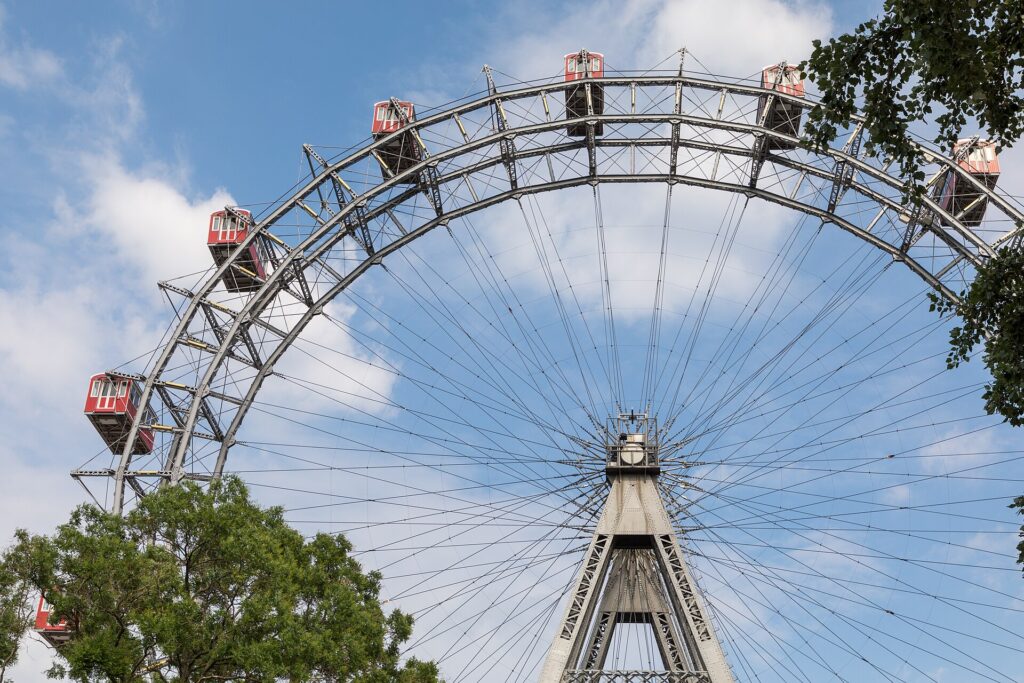
The Wiener Riesenrad has been turning since 1897 and is about 65 metres tall. It’s slow and old-fashioned, which is exactly the appeal. Around it lie the Wurstelprater funfair and the green Prater park.
Time needed: about 1 hour, longer with children. Cost: the park is free to walk in; the wheel and rides are paid. Tip: go around sunset for the best light over the city, and rent a bike to explore the Hauptallee afterwards.
11. Explore the MuseumsQuartier
Former imperial stables turned into one of Europe’s largest cultural complexes. The Leopold Museum has the world’s biggest Schiele collection, mumok covers modern and contemporary art, and the courtyard with its colourful lounge furniture is where young Viennese meet on summer evenings.
Time needed: 1 hour for the courtyard and a drink, 2 to 3 hours with a museum. Cost: courtyard free, museums paid. Tip: it’s right across the Ringstrasse from the Kunsthistorisches Museum, so pair the two only if you have real museum stamina.
12. Drink new wine at a heuriger
Vienna is one of very few capital cities with serious vineyards inside its borders. A heuriger is a wine tavern where winemakers serve their own wine with a simple cold buffet. The classic areas are Grinzing, Nussdorf and Stammersdorf, and the walk through the vineyards towards the Kahlenberg gives you a wide view over the Danube and the city.
Time needed: an afternoon or evening. Cost: pay for what you eat and drink. Tip: Grinzing’s main street is the most touristy; walk a few streets further, or pick a family-run place in Nussdorf or Stammersdorf, and check opening days before you go, as many are only open part of the month.
13. See the Hundertwasserhaus
Friedensreich Hundertwasser’s social housing block, with its wavy floors, uneven windows and trees growing out of the building, is one of Vienna’s most photographed sights. It’s a residential building, so you can only look from outside, but the nearby Kunst Haus Wien shows his work in depth.
Time needed: 20 minutes, or 1.5 hours with the museum. Cost: free to look at the house. Tip: combine it with a walk along the Danube Canal, lined with street art and summer bars, rather than making a special trip.
14. Take a day trip to Hallstatt
The lakeside village in the Salzkammergut is one of the most famous views in Austria. From Vienna it’s a long day, though: the train journey involves a change and a ferry, and the village gets crowded with coach groups from late morning. Our verdict, including the better route from Salzburg, is in Is Hallstatt worth it?
Time needed: a full day. Cost: no entry fee for the village; transport and extras such as the salt mine are paid. Tip: if Vienna is your only base, a full-day Hallstatt and Salzkammergut tour from Vienna saves you the connections. Check how long the tour actually stays in Hallstatt.
- Hour-by-hour itinerary for 3 days
- Google Maps list with every stop
- What to book in advance (and when)
- Works offline on your phone
Practical tips for visiting Vienna
Best time to visit
Late April to June and September to October are the sweet spots: mild weather, outdoor cafés open and the heurigen busy. July and August can be hot and many Viennese are away. From late November, the Christmas markets on Rathausplatz, Spittelberg and at Schönbrunn draw big crowds, and January and February are the quietest (and coldest) months, which is also ball season.
How many days do you need?
Three days is the right amount for a first visit: one day for the Innere Stadt (Stephansdom, Hofburg, Spanish Riding School, coffee house), one for Schönbrunn and the Naschmarkt, and one for the Belvedere or a museum plus the Prater or a heuriger. Add a fourth or fifth day if you want to do Hallstatt or Wachau Valley as a day trip without rushing.
Getting around
The historic centre is walkable, and the U-Bahn, trams and buses of Wiener Linien cover everything else. Single tickets and 24-hour, 7-day and longer passes are available, and the core Vienna zone doesn’t include the trip to or from the airport, so buy an extension or a separate ticket for that. The official Vienna City Card combines unlimited public transport with discounts at more than 200 museums, attractions and restaurants. At the time of writing it costs €19 for 24 hours, €31 for 48 hours, €37 for 72 hours and €39 for 7 days. It’s a good deal if you’d buy a transport pass anyway, but note that it gives discounts, not free entry.
Where to stay
- Innere Stadt (1st district): walk to almost everything, but the most expensive and quiet at night.
- Leopoldstadt (2nd): across the Danube Canal, close to the Prater and the centre, with a more local feel.
- Wieden and Mariahilf (4th and 6th): near the Naschmarkt and Karlsplatz, good restaurants and U-Bahn links.
- Neubau (7th): independent shops, cafés and the MuseumsQuartier on your doorstep.
- Around Hauptbahnhof or Westbahnhof: practical for train travellers and day trips, less atmospheric.
Frequently asked questions
How many days do you need in Vienna?
Three full days let you see the main sights (Stephansdom, Hofburg, Schönbrunn, the Belvedere and a museum) without rushing with time left for coffee houses and an evening out.
Is the Vienna City Card worth it?
Usually, yes, if you’ll use public transport every day. It includes unlimited travel in the city plus discounts at partner attractions and restaurants. It doesn’t give free entry to museums, so don’t buy it expecting big savings on tickets alone.
What can you do for free in Vienna?
Plenty: walk the Ringstrasse, enter the back of St. Stephen’s Cathedral, explore the Schönbrunn and Belvedere gardens, browse the Naschmarkt, hang out in the MuseumsQuartier courtyard, see the Hundertwasserhaus from outside and walk the Prater. Visitors under 19 get free entry to several federal museums, including the Kunsthistorisches Museum and the Belvedere.
Is Hallstatt a good day trip from Vienna?
Only if you have time to spare. The trip is long each way, so you spend more time travelling than in the village. From Salzburg it’s much easier. If Vienna is your only base, an organised day tour is the least stressful option.
Featured image: Photo: Dietmar Rabich, CC BY-SA 4.0, via Wikimedia Commons