Stockholm is built on 14 islands where Lake Mälaren meets the Baltic, and water shapes almost every visit: you cross bridges between neighbourhoods, take commuter ferries to museums and can be among granite islands in the archipelago within an hour. The medieval core of Gamla Stan is small, the museums on Djurgården are among the best in Scandinavia, and much of the best stuff, from viewpoints to metro art, costs nothing.
Here’s what’s worth your time, in what order, and where a ticket or tour really adds something.
Disclosure: this page contains links to GetYourGuide. If you book through them, People & Media may earn a small commission at no extra cost to you.
Our honest attraction reviews
Before you buy tickets, read our in-depth reviews of Stockholm’s big-name attractions, with current prices, queue tips and an honest verdict.

13 best things to do in Stockholm
1. Vasa Museum
A 17th-century warship that sank on its maiden voyage in 1628 and was raised from the harbour in 1961 now fills a hall several storeys high on Djurgården. It’s almost complete, and it’s the one museum in Stockholm that almost nobody regrets. Read our full review: Is the Vasa Museum worth it?
Time: 1.5–2 hours. Cost: paid for adults, free for everyone aged 18 and under. Tip: buying online doesn’t let you skip the entrance queue, so arrive at opening time. If you want more depth than the included short tour, consider a guided Vasa Museum tour.
2. Gamla Stan, the old town
Stockholm’s medieval centre is a tangle of ochre and red buildings, narrow lanes and small squares. Start at Stortorget, the square with the famous row of coloured merchants’ houses, look for Mårten Trotzigs gränd, the narrowest alley in town, and walk down to the waterfront at Skeppsbron. The Nobel Prize Museum is on Stortorget if you want an indoor stop.
Time: 2–3 hours. Cost: free to explore. Tip: Västerlånggatan is the souvenir street; the parallel lanes and the quieter southern end of the island are more rewarding. A guided walking tour of the main sights is a good first-morning orientation.
3. The Royal Palace
The King’s official residence sits on the edge of Gamla Stan and is one of the largest palaces in Europe still used by a monarch. Visitors can see the Royal Apartments, the Treasury with the regalia, and the Tre Kronor Museum about the older castle that burned down in 1697. The changing of the guard in the outer courtyard is a free show.
Time: 1.5–2 hours. Cost: paid (the courtyard and guard ceremony are free). Tip: parts of the palace close for state visits and official events, so check the royal court website on the morning of your visit.
4. Skansen
The world’s oldest open-air museum spreads over a hill on Djurgården, with historic farmhouses, workshops and a town quarter moved here from all over Sweden, plus Nordic animals such as moose, bears and seals. Staff in period dress bring the buildings to life, and there’s a great view over the city.
Time: 2–4 hours. Cost: paid. Tip: Skansen is open all year and changes a lot with the seasons: midsummer celebrations in June, autumn fairs, and one of the city’s best-known Christmas markets in December.
5. ABBA The Museum
Even people who claim not to like ABBA tend to enjoy this interactive museum on Djurgården. You can sing on stage with digital versions of the band, try on the costumes virtually and see the original outfits and gold records. It’s playful rather than scholarly.
Time: 1.5–2 hours. Cost: paid. Tip: buy a timed ticket online in advance, especially for summer weekends, and combine it with the Vasa Museum and Skansen, which are all within a short walk of each other.
6. Stockholm City Hall
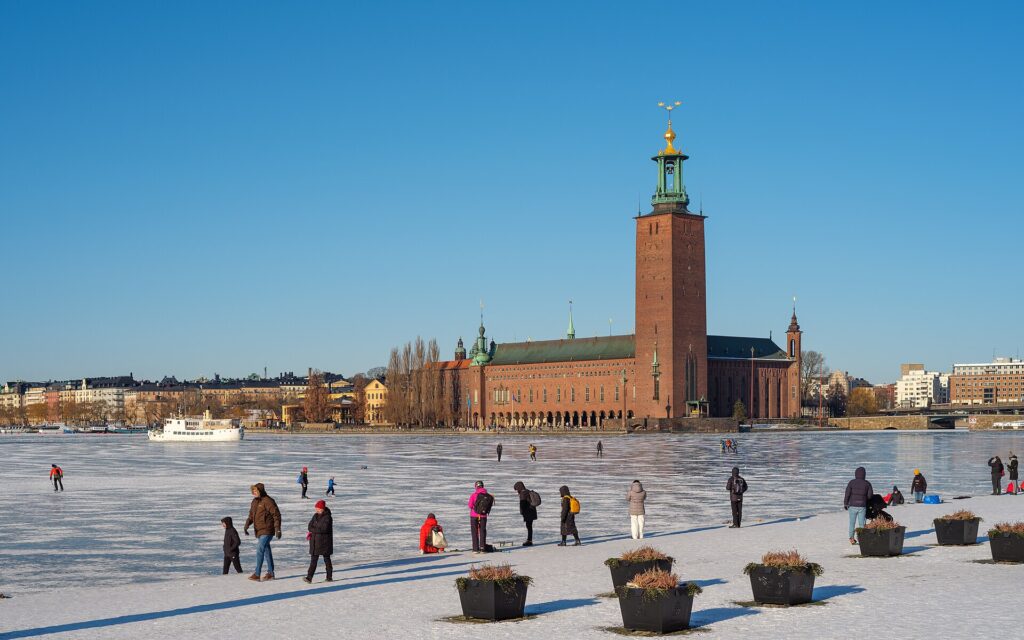
The red-brick City Hall on Kungsholmen, with its 106-metre tower and three golden crowns, is where the Nobel Prize banquet is held. Inside, the Blue Hall (which isn’t blue) and the mosaic-covered Golden Hall are seen on guided tours. Climbing the tower is a separate ticket and gives one of the best views of Gamla Stan and Riddarholmen.
Time: 1 hour for the tour, 30–45 minutes for the tower. Cost: paid; the waterfront gardens are free. Tip: tours and tower slots can be booked online on the City Hall website, and it’s wise to do so in summer.
7. A boat trip into the archipelago
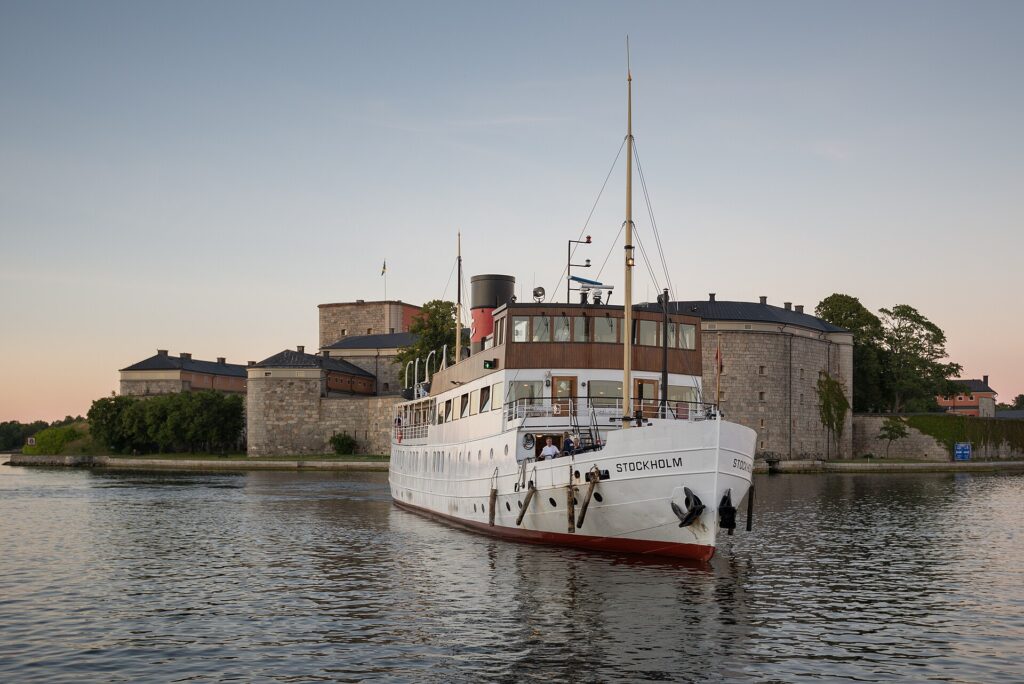
Tens of thousands of islands stretch from Stockholm towards the open Baltic, and you don’t need a full day to get a feel for them. Short sightseeing cruises loop through the inner archipelago, while the classic longer trip goes to Vaxholm, a wooden-house town with a fortress, on one of the old white steamboats or a regular commuter ferry.
Time: 2 hours to a full day. Cost: paid. Tip: summer has by far the most departures. For an easy taster with commentary, a guided archipelago sightseeing cruise runs from the city centre.
8. Södermalm and the Monteliusvägen viewpoint
South of Gamla Stan, the island of Södermalm is where Stockholm goes out: vintage shops, cafés and bars around SoFo (south of Folkungagatan). On its northern cliffs, the short Monteliusvägen footpath gives the classic view across the water to City Hall and Riddarholmen.
Time: half a day. Cost: free. Tip: go to Monteliusvägen around sunset, then walk on to Skinnarviksberget, the highest natural point in the inner city, for a wider view.
9. Fotografiska
This photography museum in a former customs house on the Södermalm waterfront shows changing exhibitions by big-name and emerging photographers. The top-floor café and restaurant has one of the best views across the water to Gamla Stan and Djurgården.
Time: 1.5–2 hours. Cost: paid. Tip: time your visit for late afternoon so you can finish with a drink and the view from the top floor; check opening hours on its website first.
10. Art in the metro
Stockholm’s metro (tunnelbana) is often called the world’s longest art gallery: most stations have been decorated by artists. The cave-like stations on the blue line are the most striking, especially T-Centralen with its blue vines, Kungsträdgården and Solna Centrum with its red and green landscape.
Time: 1–2 hours. Cost: the price of a public transport ticket. Tip: buy a 24-hour ticket in the SL app and hop on and off as much as you like.
11. Drottningholm Palace
The Swedish royal family’s private residence stands on an island in Lake Mälaren just outside the city. The palace, its baroque gardens, the Chinese Pavilion and a rare 18th-century theatre with working stage machinery together form a UNESCO World Heritage Site.
Time: half a day. Cost: paid for the buildings; the park is free. Tip: in summer, go one way by boat across Lake Mälaren from central Stockholm; the rest of the year, the metro plus a bus is the practical route.
12. Skeppsholmen and Moderna Museet
The small island of Skeppsholmen, connected to the centre by a short bridge, is a quiet green break with harbour views. It’s home to Moderna Museet, one of Europe’s leading modern art collections, with works by Picasso, Dalí and Swedish artists, and to the architecture and design centre ArkDes.
Time: 2–3 hours. Cost: the island is free; check the museum website for current admission, as temporary exhibitions and the permanent collection are priced differently. Tip: the island’s waterfront path is one of the calmest walks in central Stockholm.
13. Östermalm food hall and a proper fika
Östermalms Saluhall, a 19th-century market hall, is the place for smoked fish, shrimp sandwiches, Swedish cheeses and a sit-down lunch at the counters. Round off with fika, the Swedish coffee break, with a cinnamon bun (kanelbulle) or, in late winter, a cream-filled semla.
Time: 1–2 hours. Cost: free to browse. Tip: lunch is better value than dinner, and many Stockholm restaurants offer a weekday “dagens lunch” set menu.
- Hour-by-hour itinerary for 3 days
- Google Maps list with every stop
- What to book in advance (and when)
- Works offline on your phone
Planning your trip: when to go, how long and getting around
Best time to visit
May to September is the best period: long, light evenings, outdoor cafés, frequent archipelago boats and swimming spots in the city. Midsummer in late June is atmospheric, but many locals leave town and some restaurants close in July. Winter is cold and dark, though December brings Christmas markets at Skansen and Stortorget, and a snowy Gamla Stan is beautiful.
How many days do you need?
Two full days covers Gamla Stan, Djurgården’s museums and a viewpoint or two. Three to four days lets you add an archipelago trip, Drottningholm and a slower day on Södermalm.
Getting around
Walking gets you around the centre, and SL’s metro, buses, trams and several ferries cover the rest on one ticket system; buy tickets in the SL app or at stations. The ferry to Djurgården is part of SL and a pleasant way to reach the museums. From Arlanda Airport, the Arlanda Express train is the fastest link to Central Station, while airport coaches and commuter trains are cheaper. Sweden is close to cashless: some museums, including the Vasa Museum, accept cards only. Sightseeing passes exist, but with free under-19 entry at several museums and many free sights, do the maths before you buy one.
Where to stay
Norrmalm (around Central Station) is the most practical base for transport. Gamla Stan is atmospheric but touristy and has fewer budget options. Södermalm suits travellers who want cafés, bars and a local feel, and Östermalm is elegant, quieter and close to Djurgården.
Frequently asked questions
How many days do you need in Stockholm?
Two days is enough for the main sights. With three or four you can add an archipelago boat trip and Drottningholm Palace without rushing.
Is Stockholm expensive?
It’s pricier than most of Europe, especially for eating out and alcohol. Free sights, weekday lunch menus and free museum entry for under-19s at several museums help a lot.
Is Stockholm walkable?
Yes. Gamla Stan, Norrmalm, Södermalm and Djurgården are all within walking distance of each other, and ferries and the metro fill the gaps.
What are the best free things to do in Stockholm?
Walking Gamla Stan, the Monteliusvägen viewpoint, the changing of the guard at the Royal Palace, the City Hall gardens, the Drottningholm palace park and the island of Skeppsholmen. Metro art only costs you a transport ticket.
Is Stockholm worth visiting in winter?
Yes, if you plan around short days: museums, Christmas markets and cosy cafés make December enjoyable. Archipelago boat trips are much more limited, though, so summer is better if the islands are your priority.
Featured image: Photo: Julian Herzog, CC BY 4.0, via Wikimedia Commons