Dublin is a small capital: from Trinity College to the Guinness Storehouse is about half an hour’s walk, and the sea, the cliffs of Howth and the Wicklow Mountains are all within reach by train or bus. The city’s best experiences are a mix of paid headliners and free museums, parks and pubs, and in 2026 a few well-known sights are temporarily closed, so it pays to check before you plan. Here’s what’s worth your time, how long each stop takes and where a ticket or tour genuinely helps.
Disclosure: this page contains links to GetYourGuide. If you book through them, People & Media may earn a small commission at no extra cost to you.
Our honest attraction reviews
Is the most famous pint in the world worth the ticket, and is the long ride to the Cliffs of Moher worth a day? Our honest verdicts are here.
13 best things to do in Dublin
1. The Guinness Storehouse
Seven floors of brewing history, advertising and tasting inside a former fermentation building at St James’s Gate, finishing in the rooftop Gravity Bar with one of the best views over Dublin. It’s a polished brand experience rather than a working brewery tour, and it’s worth it if you like Guinness or a pint with a view. Paid, with a drink included. Allow at least 90 minutes. Tip: tickets are sold in time slots with prices that vary, and booking online is cheaper than at the door; go early or late for a window spot in the Gravity Bar. Read Is the Guinness Storehouse worth it? or check Guinness Storehouse tickets.
2. Trinity College and the Book of Kells
Walk through the cobbled squares of Ireland’s oldest university, then see the Book of Kells, the lavishly decorated gospel manuscript made around 1,200 years ago, and the Long Room of the Old Library. The Book of Kells Experience starts from €26 per person at the time of writing on the official site, with extra digital exhibitions in a second building. About an hour and a half. Tip: only a few pages of the manuscript are on display at any time, so the Long Room is what makes the visit; book a morning slot and ignore look-alike ticket websites. A Book of Kells tour with a guide adds the history of the college.
3. Kilmainham Gaol
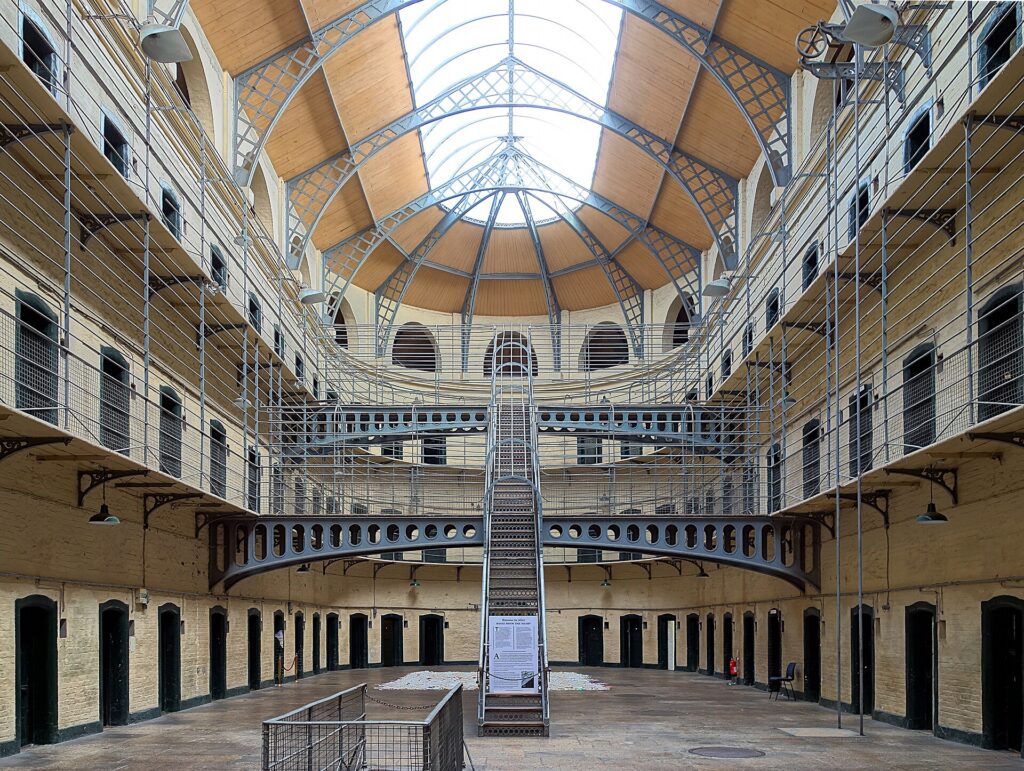
The former prison where leaders of the 1916 Easter Rising were held and executed is the most powerful introduction to Irish history in the city. Visits are by guided tour only, lasting about an hour, followed by the museum; allow roughly 90 minutes. Paid. Tip: you must pre-book on the official website. Some tickets are released 28 days ahead, and extra tickets and cancellations appear online from 9.15am on the day itself, so check that morning if your date looks sold out.
4. National Museum of Ireland – Archaeology
On Kildare Street, this free museum holds Ireland’s prehistoric gold, Viking finds, early Christian treasures and the unsettling Iron Age bog bodies preserved in peat. One to two hours. Tip: it’s a good rainy-day stop between Trinity and St Stephen’s Green. Don’t head for the Natural History building on Merrion Street, though: it’s closed for works at the time of writing, with a smaller “Dead Zoo Lab” open at the Collins Barracks site instead.
5. St Patrick’s Cathedral and Christ Church
Dublin’s two medieval cathedrals stand a few minutes apart. St Patrick’s, where Jonathan Swift was dean, is the larger and more impressive inside; Christ Church has a crypt that runs under the whole building. Both charge for sightseeing visits. Around 45 minutes each. Tip: if you only visit one, choose St Patrick’s and walk through the small park beside it; you can also hear the choir free at a service.
6. EPIC and a walk along the Liffey
EPIC, the Irish Emigration Museum, sits in the vaults of a 19th-century warehouse in the Docklands and tells how millions of people left Ireland and shaped the countries they moved to. It’s interactive and well done, and a good choice if you have Irish roots. Paid. About 90 minutes. Tip: walk there along the river from the Ha’penny Bridge, past the Custom House and the Famine memorial sculptures on Custom House Quay.
7. Temple Bar and a traditional music session
Temple Bar’s cobbled lanes are lively and fun for a first evening, and live traditional Irish music is on in many pubs every night. Wandering is free; drinks here are among the most expensive in town. An evening. Tip: have one drink in Temple Bar for the atmosphere, then move on to pubs in other neighbourhoods, such as Smithfield or around Camden Street, where sessions are more relaxed and the pints are cheaper.
8. Grafton Street and St Stephen’s Green
Dublin’s main pedestrian shopping street, full of buskers, leads to St Stephen’s Green, a Victorian park with a lake, bridges and benches. Nearby Merrion Square has the Oscar Wilde statue and the city’s best Georgian doors. Free. One to two hours. Tip: stop for tea at a traditional café on Grafton Street, and keep walking past the Georgian squares to see the Dublin of postcards without the crowds.
9. Phoenix Park
One of the largest enclosed city parks in Europe, home to a herd of wild fallow deer, Dublin Zoo and the residence of the Irish President. The park is free; the zoo is paid. Half a day. Tip: the park is too big to see on foot in a few hours, so consider hiring a bike, and look for the deer in the open grassland; don’t feed them.
10. Jameson Distillery Bow St.
The former Jameson whiskey distillery in Smithfield now runs tours and tastings about how Irish whiskey is made and why it differs from Scotch. Paid. About an hour for a standard tour. Tip: it’s a short walk from the Guinness Storehouse along the river, so you can combine both, but not in one afternoon of tastings if you have plans for the evening.
11. The Howth Cliff Path
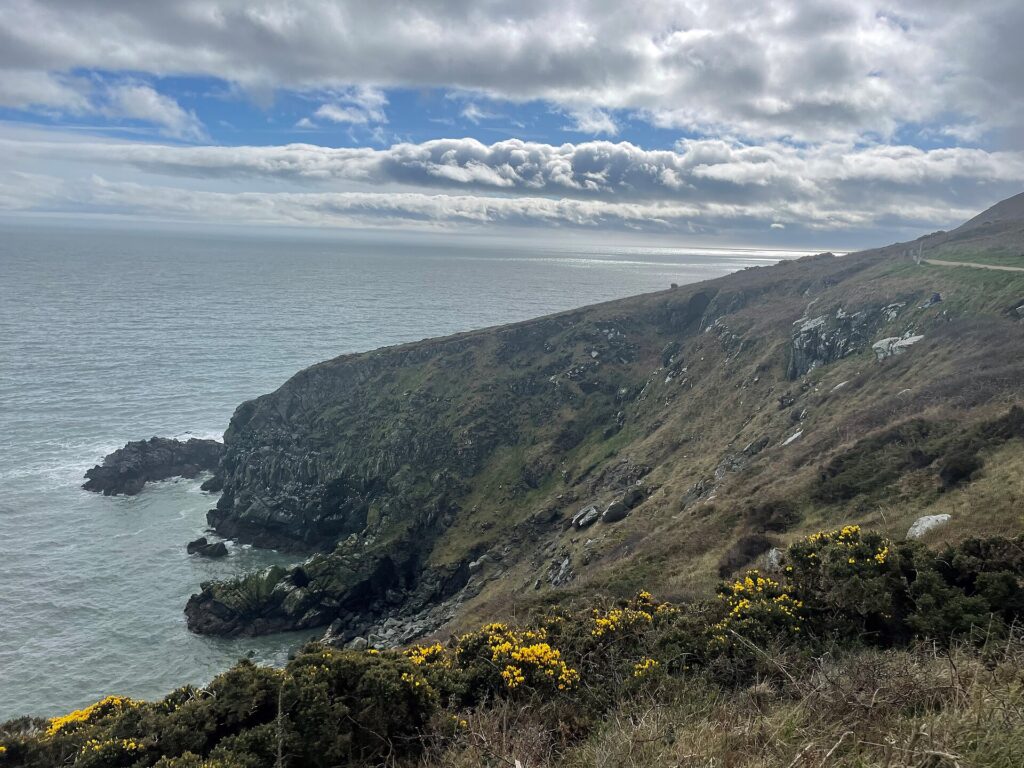
A ride of around half an hour on the DART suburban train takes you to Howth, a fishing village on a peninsula with seals in the harbour, fish and chips on the pier and a cliff walk with views over Dublin Bay. The walk is free; you only pay the train fare. Half a day. Tip: wear proper shoes, because the path is narrow and muddy after rain, and go on a weekday if you can: sunny weekends bring half of Dublin.
12. Day trip to Glendalough and the Wicklow Mountains
An hour or so south of the city, the early medieval monastic site of Glendalough sits between two lakes in a glacial valley, with a round tower and walking trails through the forest. The valley walks are free; most visitors without a car join a tour. Half a day to a full day. Tip: leave time to walk to the Upper Lake rather than only seeing the monastic ruins by the car park. A Glendalough and Wicklow Mountains tour from Dublin fits into a morning.
13. Day trip to the Cliffs of Moher
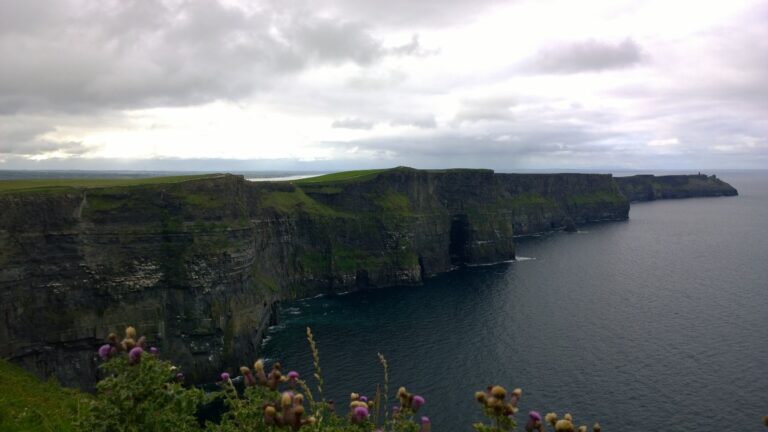
On a clear day the cliffs, dropping 214 metres into the Atlantic, are one of the most dramatic sights in Europe. But they’re on the other side of the country: expect around three and a half hours each way by coach for about two hours at the cliffs. The visitor site is paid, but cheap compared with most big attractions. Tip: check the forecast, because thick fog can hide everything, and part of the coastal walk is closed at the time of writing. Read Are the Cliffs of Moher worth it? or compare a Cliffs of Moher, Burren and Galway day tour from Dublin.
- Hour-by-hour itinerary for 3 days
- Google Maps list with every stop
- What to book in advance (and when)
- Works offline on your phone
Dublin travel tips
Temporarily closed in 2026
Two popular sights near Temple Bar are closed at the time of writing, so don’t build your first day around them:
- Dublin Castle is closed to the public until January 2027 while it hosts events for Ireland’s Presidency of the Council of the European Union.
- The Chester Beatty, the free museum of manuscripts and art in the castle grounds, is closed from 15 June to the end of December 2026.
Best time to visit
May to September brings the longest days and the mildest weather, which matters for day trips to the west coast and Wicklow. Summer is also the busiest and most expensive season for hotels. Around St Patrick’s Day in March the city is packed. Rain is possible in any month, so bring a waterproof whenever you go.
How many days do you need?
Two full days cover the city highlights: one for Trinity, the museums, Grafton Street and Temple Bar, and one for Kilmainham, the Guinness Storehouse and Phoenix Park. Add a day for Howth or Glendalough, and another for the Cliffs of Moher.
Getting around
The centre is compact and walkable. For longer journeys, buses, the Luas tram and the DART train are the main options. A TFI Leap Card, a reusable prepaid travel card, saves up to 30% compared with cash fares on Dublin Bus, the Luas and the DART, and fares are capped. With the TFI 90 Minute Fare you can change between services within 90 minutes for one fare. There’s no train to the airport, so use one of the express coaches or a Dublin Bus route into the city.
Where to stay
- Around St Stephen’s Green and Georgian Dublin: central, elegant and walkable to Trinity and the museums.
- Temple Bar: right in the action, but noisy late at night and pricey.
- Smithfield and Stoneybatter: more local, with good pubs and handy for Jameson, Phoenix Park and the Guinness Storehouse.
- The Docklands: modern hotels near EPIC and the river, with easy tram and DART links.
- Ballsbridge: quieter and leafy, a little south of the centre.
Frequently asked questions
What is the number one thing to do in Dublin?
For most visitors it’s the Book of Kells and the Long Room at Trinity College, with the Guinness Storehouse a close second. If you’re interested in Irish history, Kilmainham Gaol is the most memorable visit in the city, provided you book ahead.
Is 2 days enough in Dublin?
Yes, two days is enough for the main city sights. With three or four days you can add Howth, Glendalough or a long day trip to the Cliffs of Moher.
What can you do in Dublin for free?
The National Museum of Ireland on Kildare Street, St Stephen’s Green, Merrion Square, Phoenix Park, the Howth Cliff Path (apart from the train), the walk along the Liffey and the traditional music in many pubs, as long as you buy a drink.
Is Dublin Castle open?
Not at the time of writing. Dublin Castle is closed to the public until January 2027 because of Ireland’s EU Council Presidency, and the Chester Beatty in its grounds is closed until the end of December 2026. Check the official websites before you go.
Do I need to book Dublin attractions in advance?
Kilmainham Gaol must be pre-booked and sells out, so book as soon as your dates are fixed. The Book of Kells Experience and the Guinness Storehouse use time slots and are cheaper or easier online, especially in summer.
Can you do the Cliffs of Moher as a day trip from Dublin?
Yes, but it’s a long day with around seven hours on a coach. It’s worth it on a clear day if you won’t be in the west of Ireland otherwise; staying a night in County Clare or Galway makes the experience much better.
Featured image: Photo: Chris Rycroft, CC BY 2.0, via Wikimedia Commons