The War Is Lost: Europe Escalates While Russia Claims Victory

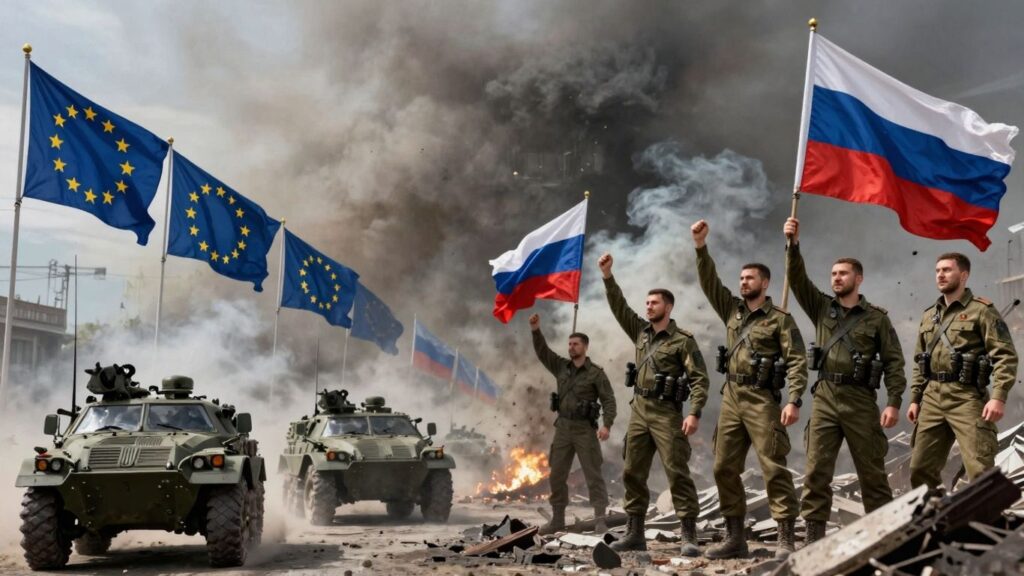
Lieutenant Colonel Daniel Davis, a decorated combat veteran and host of the "Daniel Davis Deep Dive" YouTube channel, joins Glenn Diesen to discuss the current state of the Ukraine war. Davis, known for his truthful assessments, argues that the conflict is effectively over, with Russia poised for victory, yet Europe seems unprepared for the consequences.
Key Takeaways
- The prevailing narrative in Western media and among politicians paints a picture of Ukrainian success, downplaying their losses and exaggerating Russian failures.
- This narrative is actively hindering peace efforts and prolonging the conflict, leading to greater losses for Ukraine.
- Russia has significantly strengthened its military capabilities and is in a strong position to achieve its objectives.
- Europe’s insistence on NATO expansion and its refusal to acknowledge Russia’s security concerns have been central to the conflict.
- A negotiated settlement is still possible but requires a realistic assessment of the battlefield situation, which is currently lacking.
Misleading Narratives and the Reality on the Ground
Davis points out a stark contrast between the public narrative and the reality of the war. He notes that leaders, experts, and media outlets consistently present a positive spin on Ukraine’s situation, claiming they are winning and Russia is suffering heavy losses. This, he argues, is a deliberate strategy to maintain public support for continuing the war and rejecting any peace proposals. However, this approach is actively bleeding Ukraine dry, worsening its situation daily.
He highlights statements from figures like the US NATO ambassador, who acknowledge Russia’s gains but then pivot to abstract notions of a "rules-based order." Similarly, former President Trump has openly stated that Ukraine has too few troops and is suffering immense casualties, recognizing Russia’s demographic advantage. Yet, despite these acknowledgments, the push to continue the war persists.
Europe's Escalation and Russia's Position
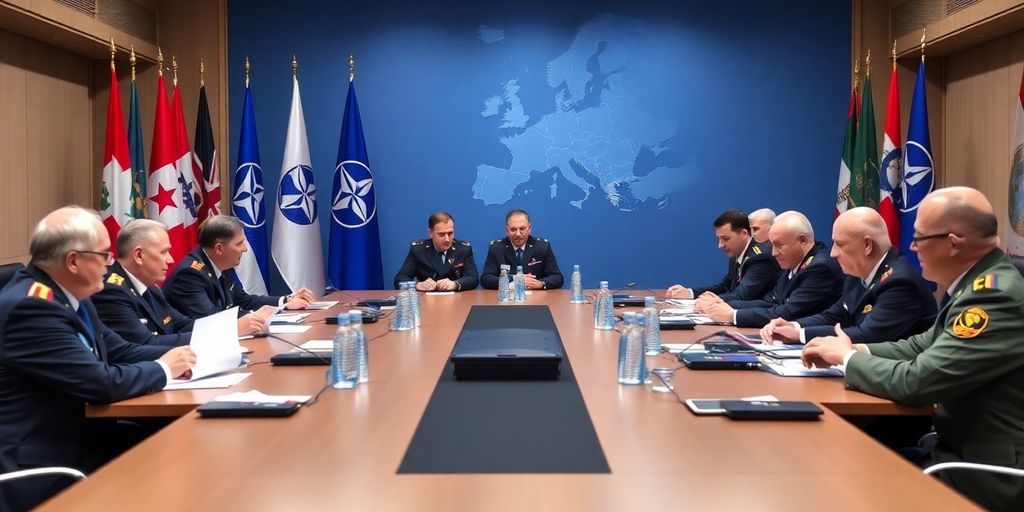
A significant point of contention is NATO’s continued expansion. Davis criticizes NATO Secretary General Mark Rutte’s recent statement that no country has veto power over NATO membership, including Ukraine. This, he argues, is akin to waving a red flag at Russia, as NATO expansion has been a central cause of the conflict. He recalls statements from former NATO Secretary General Jens Stoltenberg, who admitted that Russia had warned of an attack if NATO expansion continued.
Davis believes that the West is intentionally preventing a peace deal, possibly to thwart President Trump’s efforts to end the war. He suggests that Russia is still open to a negotiated settlement based on terms proposed in June of the previous year, which include territorial concessions and demilitarization. However, these terms are seen as harsh by Ukraine and its allies.
The Path to Peace: A Difficult Road
When discussing former President Trump’s peace proposals, Davis acknowledges that starting points for negotiation are necessary. However, he stresses that any agreement would require significant concessions from Ukraine, as Russia holds the leverage. The recent shift from Trump’s 28-point plan to a 19-point proposal, reportedly more favorable to Kyiv, is seen as moving in the wrong direction if peace is the true objective.
Davis suggests that Trump faces a choice: either stand firm on a realistic peace plan and put pressure on Europe to accept the inevitable outcome, or back down, allowing the conflict to continue with guaranteed failure for Ukraine. He draws a parallel to a past meeting in Anchorage, where Russia believed a deal was struck, only for nothing to materialize. The question remains whether Trump will push for a genuine peace or allow the current dynamic to persist.
The Shifting Battlefield and European Security
Davis elaborates on how the battlefield has fundamentally changed since 2022. Russia’s military has grown significantly stronger, incorporating new technologies and increasing its troop numbers. Meanwhile, NATO’s weapon stockpiles have dwindled, and Ukraine’s defensive lines have largely fallen into Russian hands. The idea of a European security architecture that excludes Russia, he argues, has been a historical mistake, leading to the current conflict.
He posits that a more inclusive approach, considering Russia’s security concerns, could have prevented the war. Instead, the West created a new division, and now Russia, no longer weakened, is asserting itself. Davis warns that without a new, workable security architecture, conflict between Russia and the West may be inevitable. He also points to the defense industry’s interest in maintaining an enemy to justify continued military spending.
The Grim Outlook
Ultimately, Davis paints a grim picture. He states that Ukraine cannot win and cannot prevent Russia from achieving its objectives. The only path to avoiding a complete military defeat for Ukraine is a negotiated settlement. However, he fears that European leaders, driven by arrogance and a desire to continue the conflict, may push Ukraine towards annihilation rather than accept an unfavorable peace deal.
He concludes that the most likely scenario is that Trump will eventually back down, allowing the war to continue, with Ukraine suffering further losses. This, he believes, is a tragic outcome that could have been avoided with a more realistic and honest approach to the conflict from the outset. The current trajectory, he warns, is leading to the self-destruction of Ukraine.

Responses