The Relationship Stage Most Couples Don’t Survive (And How To Get Through It)

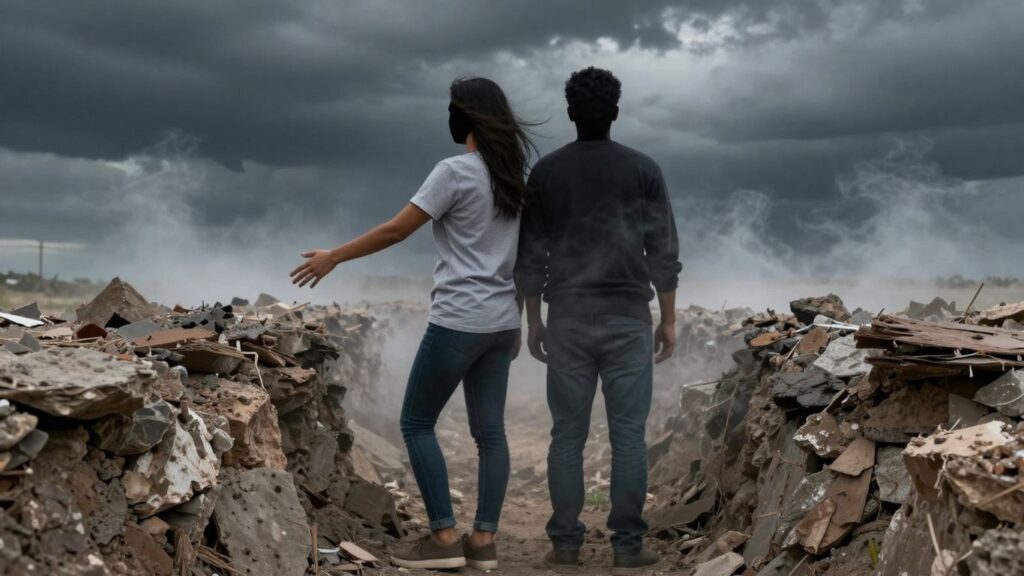
Most couples think the honeymoon phase is where a relationship truly begins, but the real test, the one that determines if a relationship lives or dies, happens much later. Many relationships fall apart not because people change, but because they don’t understand the stages they’re going through or how to navigate them. It’s a common pitfall that catches almost everyone off guard.
Key Takeaways
- Infatuation: The initial chemical high, where you’re blinded by dopamine and oxytocin, can make you fall for potential rather than reality and hide red flags.
- Differentiation: As the initial intensity fades, masks come off, old wounds surface, and arguments can feel dangerous, leading many to believe the love is dying.
- Power Struggle: This is the make-or-break stage where control, blame, and testing emerge, often stemming from past issues, and it feels deeply personal and exhausting.
- Repair and Growth: Surviving the power struggle leads to learning essential relationship skills like listening without defending and repairing after conflict.
- Harmony and Secure Love: The final stage isn’t conflict-free but is characterized by safety, deep trust built through overcoming challenges, and disagreements not feeling like threats.
Understanding the Stages of a Relationship
Relationships go through distinct phases, and knowing where you are can make all the difference. Most people miss a hidden stage that’s critical for long-term success.
Stage One: Infatuation
This is the exciting, addictive phase fueled by powerful chemicals like dopamine and oxytocin. It feels amazing, like a constant high. You’re seeing the best of your partner, and maybe even idealizing them. The problem is, this stage can blind you to any potential issues or red flags. You’re falling in love with the idea of the person and the feeling, not necessarily the full reality.
Stage Two: Differentiation
As the initial infatuation wears off, things start to feel different. This is the differentiation stage, where the masks begin to fall. Your nervous system starts to relax from the intense chemical rush, and your own past hurts and insecurities, as well as your partner’s, start to surface. Arguments can feel really scary during this time because your brain might interpret conflict as a sign that love is being taken away. This is where many people panic and think the relationship is over, when really, it’s just starting to get real.
Stage Three: The Power Struggle
This is the stage that nobody really prepares you for, and it’s the one most relationships don’t survive. It’s characterized by control issues, withdrawal, blame, and testing boundaries. It often feels incredibly personal, unsafe, and emotionally draining. You might feel like you’re fighting your partner, but in reality, you’re often fighting old patterns and wounds from your past. It can trick you into thinking the love has disappeared, but it’s actually the gateway to genuine intimacy if you can get through it.
Stage Four: Repair and Growth
If you make it through the power struggle, you enter the stage of repair and growth. This is the true beginning of a lasting relationship, not the honeymoon phase. Here, you learn the skills you were likely never taught: how to listen without getting defensive, how to express yourself without attacking, and how to repair the connection after a conflict. You also learn to regulate your emotions and nervous systems together. This stage can fundamentally change your relationship for the better.
Stage Five: Harmony and Secure Love
This is the final stage, where love feels secure and safe. It doesn’t mean there’s no conflict, but disagreements don’t feel like existential threats anymore. Trust deepens because you’ve navigated difficult times and successfully repaired ruptures. Lasting love isn’t about constant butterflies; it’s about building something strong through challenges. It’s about choosing to grow together, heal, and be truthful, even when it’s uncomfortable.
Anyone can fall in love, but staying in love requires understanding these stages and choosing to work through them. It’s about choosing growth over escape and healing over ego.


Responses