Russia’s Escalation Ladder: Oreshniks, Odessa, and the Brink of War

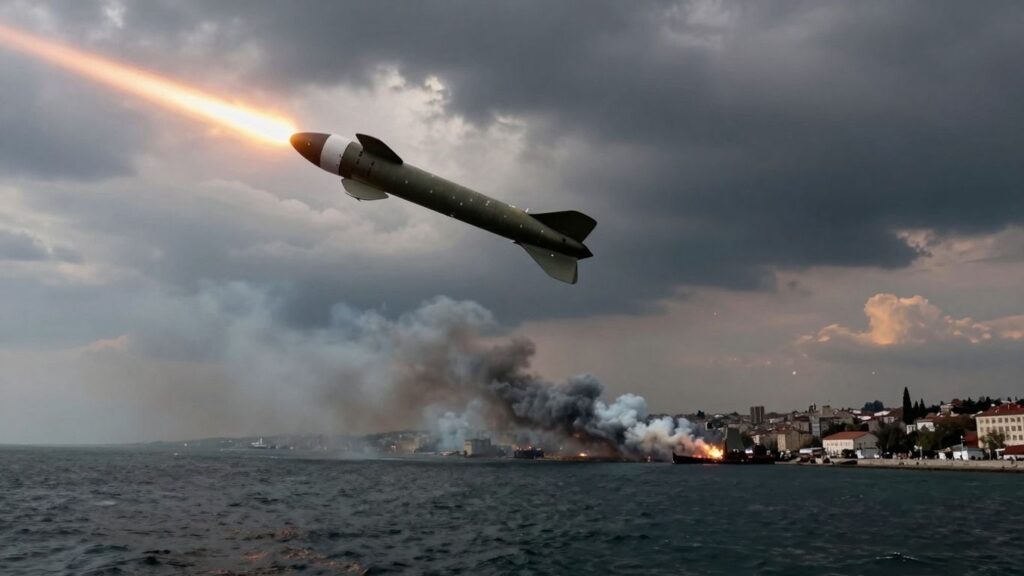
The current geopolitical climate suggests Russia is preparing for potential conflict with Europe, deploying advanced weaponry like the Oreshnik missile system. This comes amid escalating attacks on Russian civilian vessels, which could lead to Russia seizing the key port city of Odessa. This situation is rapidly increasing tensions, with diplomacy seemingly failing.
Key Takeaways
- Western nations, driven by a desire for peace on their own terms, are ignoring Russia’s security concerns, increasing the risk of wider conflict.
- Russia is building up significant military stockpiles, including the Oreshnik missile, not as a deterrent, but for potential use in a larger conflict.
- Attacks on Russian civilian vessels are seen as provocations, likely leading to Russian retaliation, potentially targeting Odessa.
- Europe and the US are not on a wartime footing and cannot sustain prolonged combat, unlike Russia, which is actively increasing its production capacity.
- There’s a growing sentiment in Russia that the West is pushing for escalation, and Russia is preparing to respond forcefully if necessary.
The West's Push for Conflict
There’s a growing belief that certain elements within the Western alliance actively desire a conflict with Russia. While public statements often call for peace, the underlying goal seems to be imposing terms from a position of perceived strength, rather than seeking a mutually agreeable resolution. This approach, which dismisses Russia’s security requirements as invalid, has been a long-standing issue and is a primary driver of the current escalation.
This pattern of ignoring Russia’s perspective has been evident since before February 2022, with warnings of war being disregarded. The situation has worsened, and now, with Ukraine’s military capacity nearing exhaustion, the West continues to act without considering the consequences. Instead of acknowledging reality and seeking de-escalation, actions are taken that provoke a response, despite Russia’s previous restraint.
Escalating Provocations and Russian Retaliation
The recent attacks on Russian civilian oil tankers in the Black Sea and the Mediterranean are seen as significant provocations. These actions, bordering on piracy or acts of war, are met with a surprising lack of concern in the West. This is perceived as taunting Russia, with President Putin vowing retaliation.
However, it’s suggested that Putin may not take the bait for a direct confrontation outside Ukraine. Instead, a more likely response would be intensified strikes on Odessa and other infrastructure. This tit-for-tat approach, where Russia uses its greater capacity to respond, is seen as a more probable outcome than a direct clash with NATO.
The Oreshnik Missile and Russia's Military Buildup
Russia’s development and mass production of the Oreshnik missile system is a key development. While not intended as a deterrent, as previous military might has failed to deter the West, these weapons are being built up for potential use. Russia is focused on increasing its stockpile of various missile systems, including the Oreshnik, and air defense missiles.
The strategy appears to be to build sufficient capacity to overwhelm NATO in the event of a conventional conflict. This is contrasted with the West’s inability to sustain high-level combat operations for extended periods. While the West’s inventories are declining due to usage exceeding production, Russia is actively stockpiling weapons, making itself stronger while the West weakens.
The Strategic Importance of Odessa
Odessa, as Ukraine’s key Black Sea port city, is a likely target for Russian retaliation following the attacks on civilian vessels. There are reports of significant Russian commentary indicating a potential move to take Odessa if the current terms of settlement are not accepted. This has been a long-discussed possibility, with some suggesting Russia might aim to take additional territories beyond the initial four oblasts.
The ongoing strikes on infrastructure in the Odessa region, including bridges and logistics centers, suggest Russia is preparing to hinder Ukrainian troop and supply movements. This military preparation, coupled with the readiness of the Oreshnik system, points towards a potential escalation involving Odessa.
Europe's Path to War
Senior officials in Europe, including leaders from Germany, France, and Britain, have openly discussed the need to prepare for war with Russia. This rhetoric, coupled with actions like Germany moving a combat brigade to the Baltics, is seen as highly provocative and likely to elicit a response from Russia.
The West’s failure to learn from past mistakes, such as dispersing stockpiles, leaves its industrial capacity and ammunition storage vulnerable. In the event of a conflict, Russia could potentially cripple a significant portion of Western military capacity quickly. This, combined with the risk of nuclear escalation, paints a grim picture.
A Risk-Averse Russia?
Despite its growing military strength and perceived advantages, Russia is described as maintaining a risk-averse mentality. The decision to not pursue a swift, decisive military conclusion in Ukraine is seen as evidence of this. Instead, Russia is building capacity for a potential future conflict, while the West depletes its own resources.
This approach, while seemingly slow, allows Russia to build stockpiles and strengthen its position. The hope is that this sustained pressure and buildup might still allow for a negotiated settlement, even from a position of strength. However, the continued provocations from the West and the potential for miscalculation remain significant concerns, with the possibility of a devastating conflict for all involved.



Responses