Additional information
| Author | Clayton M. Christensen |
|---|
Aggregated insights from reviews and discussions across the web.
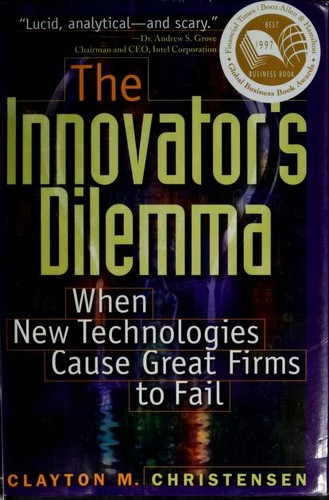
The Innovator's Dilemma by Clayton M. Christensen is widely regarded as one of the most influential business books of the early 21st century, with strong reception across review platforms. On Goodreads, it maintains a 4.05/5 rating from over 62,000 ratings, with 42% giving it 5 stars and 31% giving it 4 stars. Readers consistently praise the book's groundbreaking theory of 'disruptive innovation' and its explanation of why successful, well-managed companies fail when faced with disruptive technologies. The book uses extensive case studies from industries like disk drives, steel manufacturing, and mechanical excavators to illustrate how established firms lose market leadership despite doing everything 'right' according to traditional business principles.
However, the book faces significant criticism for its academic writing style and repetitive structure. Multiple reviewers note that the content feels like an extended PhD dissertation, with excessive detail about technical subjects like disk drive technology that many readers find tedious. The book's age is also a concern, with examples from the 1990s (particularly around hard disk drives and flash memory) feeling dated to modern readers. Despite these criticisms, the core concepts remain highly relevant, and the book is frequently recommended as essential reading for entrepreneurs, managers, and anyone interested in understanding innovation and market disruption. Reviewers suggest that readers could potentially skip to the first and last chapters to grasp the main ideas without slogging through all the technical case studies.



Reviews
There are no reviews yet.