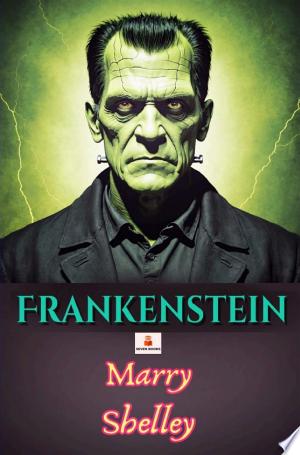
Frankenstein

4.60

-
+

Specs

Categories: ,

Description

Frankenstein; or, The Modern Prometheus is an 1818 Gothic novel written by English author Mary Shelley. Frankenstein tells the story of Victor Frankenstein, a young scientist who creates a sapient creature in an unorthodox scientific experiment that involved putting it together with different body parts. Shelley started writing the story when she was 18 and staying in Bath, and the first edition was published anonymously in London on 1 January 1818, when she was 20. Her name first appeared in the second edition, which was published in Paris in 1821. Shelley travelled through Europe in 1815, moving along the river Rhine in Germany, and stopping in Gernsheim, 17 kilometres (11 mi) away from Frankenstein Castle, where, about a century earlier, Johann Konrad Dippel, an alchemist, had engaged in experiments. She then journeyed to the region of Geneva, Switzerland, where much of the story takes place. Galvanism and occult ideas were topics of conversation for her companions, particularly for her lover and future husband Percy Bysshe Shelley. In 1816, Mary, Percy, John Polidori, and Lord Byron had a competition to see who would write the best horror story.

  • Author: Mary Shelley
  • Publisher: Seven Books
  • Published: 2025-10-10
  • Pages: 214
  • ISBN-13: 9789403837420

Additional information

Author

Mary Shelley

Reviews

There are no reviews yet.

Be the first to review “Frankenstein”

Your email address will not be published. Required fields are marked *

Summary

What the internet says

Aggregated insights from reviews and discussions across the web.

Overall reception: Mixed reception

Mary Shelley's Frankenstein receives overwhelmingly positive reception as a literary classic, with readers praising its philosophical depth and emotional complexity. Across platforms like Goodreads and Amazon, reviewers consistently highlight the novel's exploration of creation, responsibility, and alienation as surprisingly modern and thought-provoking. Many readers express surprise at how different the original text is from popular film adaptations, particularly noting the creature's eloquence and the moral ambiguity between creator and creation. The 1818 uncensored edition is specifically praised by scholars and dedicated readers for preserving Shelley's original vision before later revisions softened its impact.

However, reception is notably mixed regarding the writing style and pacing. While some readers appreciate the poetic, Romantic language as befitting the era, others find it melodramatic, long-winded, and difficult to engage with. Victor Frankenstein as a protagonist generates significant frustration among modern readers, with many criticizing his passivity, refusal to take responsibility, and poor decision-making throughout the narrative. The nested narrative structure and extensive descriptive passages are cited as barriers to enjoyment, though readers acknowledge these reflect 19th-century literary conventions. Despite these criticisms, the novel's enduring influence on science fiction and its relevance to contemporary debates about scientific ethics and social responsibility are universally recognized.

Edition-specific discussions reveal strong preferences for the 1818 text over the 1831 revision, with readers noting the original contains more explicit moral complexity. The MinaLima illustrated edition receives particular praise for its artistic presentation, with interactive pop-ups and beautiful design enhancing the reading experience. Overall, Frankenstein maintains its status as essential reading, with most critics agreeing its thematic depth and cultural significance outweigh any stylistic challenges.

What readers loved

  • Profound philosophical themes exploring creation, responsibility, ambition, and moral consequences that remain relevant 200+ years later
  • Surprising emotional depth and complexity in the creature's character, who is eloquent and sympathetic rather than a mindless monster
  • Striking moral ambiguity that prompts debate about who the real monster is—Victor or his creation
  • Poetic, emotionally resonant language that effectively conveys the characters' inner turmoil and isolation
  • Significant departure from film adaptations, offering readers a fresh perspective on the familiar story
  • Strong feminist undertones and social commentary that feel surprisingly modern
  • The 1818 uncensored edition preserves Shelley's original bold vision with greater emotional intensity and philosophical daring

Common critiques

  • Writing style described as melodramatic, long-winded, and clunky by modern standards, making it difficult to engage with at times
  • Victor Frankenstein is an extremely frustrating protagonist who repeatedly fails to take responsibility or protect his loved ones despite clear threats
  • Pacing issues with extensive descriptive passages and scenic tours that slow the narrative momentum
  • Victor's behavior as a scientist is illogical—he makes huge assumptions without evidence and abandons scientific reasoning
  • Nested narrative structure with multiple frame stories can feel convoluted and distancing

Based on reviews from

  • Goodreads - Frankenstein (MinaLima Edition)
  • Goodreads - Original 1818 Text Edition
  • Amazon Customer Review
  • Goodreads Reader Q&A
  • Goodreads Discussion Forum
Last updated May 18, 2026 Summary based on publicly available reviews. May not reflect every reader's experience.