President Trump: Call Off Venezuela Intervention, Focus on Home

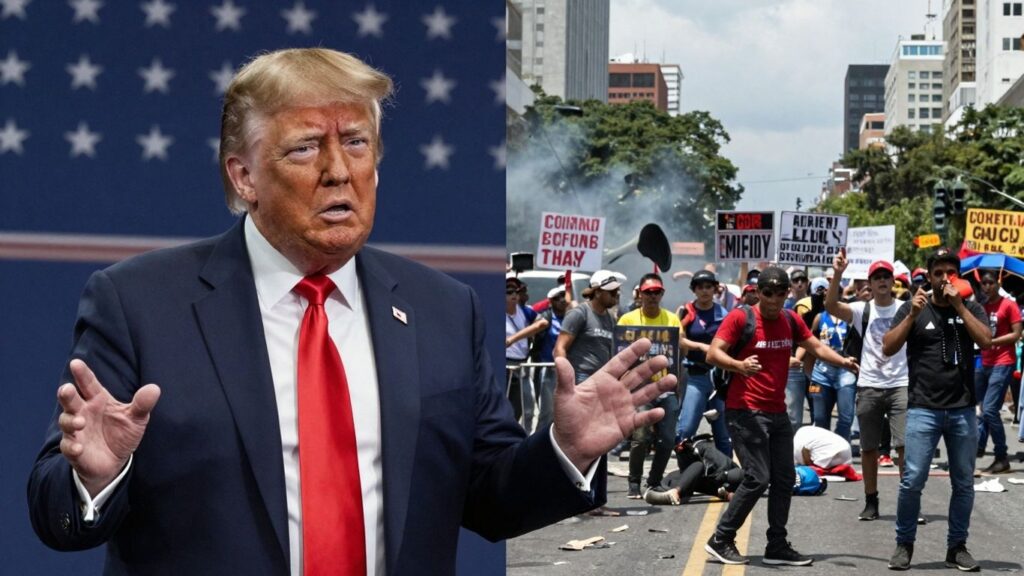
Colonel Doug Macgregor is making a strong case for President Trump to pull back from any intervention in Venezuela. He points to the massive U.S. national debt, currently around $38 trillion, and a shaky economy and financial system as reasons why we should focus inward. Macgregor argues that the cost and risks of intervening in Venezuela are just too high right now.
Instead of looking abroad, Macgregor believes the priority should be tackling problems here at home. He highlights the need to crack down on fentanyl coming into the country and address corruption at our ports. He uses a recent bust at a Michigan port, where a large amount of fentanyl was seized and arrests were made, as an example of the kind of action needed domestically.
Macgregor warns that if President Trump has hinted at action in Venezuela and then backs down, he could appear weak or driven by ego. This political pressure might tempt him to take military action, even if it’s not the wisest move.
Key Takeaways
- Prioritize Domestic Issues: Focus on problems within the U.S., like the fentanyl crisis and port corruption, rather than foreign interventions.
- Rethink National Security Strategy: Current strategies lack a clear framework, priorities, and concrete plans to protect U.S. interests.
- Military Reform Needed: Reduce bureaucracy, cut unnecessary overseas bases, preserve the industrial base, and shift to more efficient, high-lethality forces.
- Cautious Approach to AI: Avoid overhyping AI in warfare; learn from past mistakes with expensive, unproven programs and focus on practical experimentation.
- Pragmatic Innovation: Base modernization on realistic capabilities, not just theoretical perfection or single breakthroughs.
- Integrate Domestic Strength: Recognize that education, workforce readiness, and economic power are vital to national security.
A Flawed National Security Document
Macgregor is critical of the current national security document, calling it less of a strategy and more of a collection of ideas. He feels it lacks a clear framework for action, doesn’t set priorities, and doesn’t clearly define how to protect vital U.S. interests. A real strategy, he explains, should identify and rank these interests, outline how to protect them both militarily and commercially, and prioritize "America First" uses of force. This means focusing on the Western Hemisphere and avoiding the forceful export of democracy.
Military Modernization and AI
When it comes to modernizing the military, Macgregor stresses the need for a pragmatic approach. He cautions against relying on the idea of perfect intelligence or a single technological breakthrough. Drawing a lesson from Arthur C. Clarke’s story "Superiority," he suggests diversifying capabilities rather than betting everything on one "super weapon" or technology. He’s particularly skeptical of the Pentagon’s recent announcements about a large AI rollout, warning against treating AI as a cure-all. He recalls past costly failures like the Future Combat Systems program and advises cautious experimentation with AI, letting the market play a role rather than making massive, unproven investments.
Reforming the Military Establishment
Macgregor also has strong recommendations for reforming the military itself. He believes there’s too much bureaucratic overhead and too many generals and bureaucrats. He calls for a reduction in the number of regional unified commands and suggests closing overseas bases that no longer serve a strategic purpose. When it comes to modernizing forces, he advocates for a shift away from expensive, heavy formations from the industrial age. Instead, he proposes focusing on high-lethality, low-density forces that are more efficient and adaptable.
Broader Domestic Concerns
Beyond military matters, Macgregor links broader domestic issues to national security. He points out that education, workforce readiness, and commercial strength are all tied to a nation’s military power. He feels that the current focus on foreign policy distracts from these critical domestic needs. The idea that we need to be in Europe or Northeast Asia 80 years after World War II, he argues, is not based on current strategic necessity but rather on inertia and a failure to adapt. He suggests that the U.S. should let Europe handle its own future, a move that could have been made intelligently in the 1990s.
In essence, Macgregor’s message is one of restraint abroad and concentrated reform at home. He advocates for clearer strategic thinking, a tempered adoption of new technologies, and a focus on what truly serves America’s interests.




Responses