Jim Rogers: The Economic Storm Is Coming — The Case for Commodities and Crisis Preparation


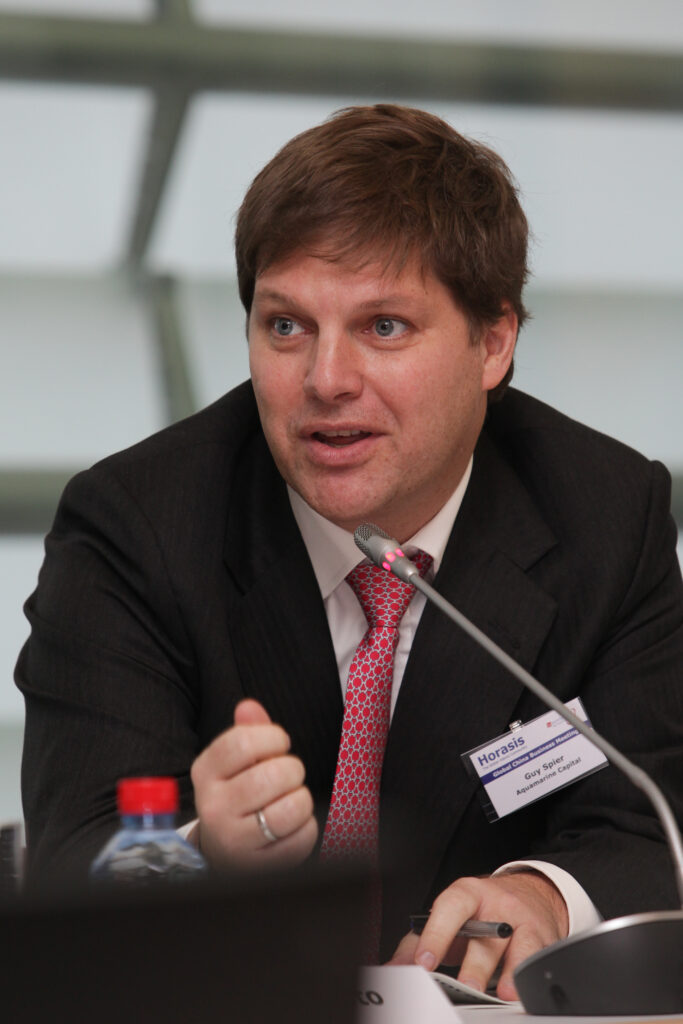
Jim Rogers co-founded the Quantum Fund with George Soros in 1973, retired at 37 after turning $600 into hundreds of millions, rode a motorcycle around the world twice to study emerging markets firsthand, and has been warning of a catastrophic global debt crisis for the better part of three decades. His timing has been wrong repeatedly. His structural diagnosis — that the West has accumulated unsustainable debt, debased its currencies through money printing, and set up a financial system that must eventually undergo a painful reckoning — is shared by a growing number of mainstream economists. Understanding Rogers means understanding the commodity supercycle thesis, the case for emerging markets over Western equities, and the argument that the next financial crisis will be the worst in living memory.
- → Rogers’ core thesis: global debt has reached levels that historically precede major financial crises — and central banks have used their ammunition (rate cuts, QE) in the last cycle, leaving fewer tools for the next one
- → Commodity supercycle: Rogers has been bullish on commodities — particularly agriculture, metals, and energy — for decades, arguing that underinvestment in production will drive a multi-year price surge
- → Asia over America: Rogers moved to Singapore in 2007, put his children in Mandarin immersion schools, and has consistently argued that the 21st century belongs to Asia — China in particular
- → The timing problem: Rogers has been predicting crisis “soon” since the 1990s — a reminder that correct structural analysis does not guarantee correct market timing
- → What to own: Rogers favours real assets (commodities, farmland, silver, gold) over financial assets (stocks, bonds) in a debt crisis scenario — the classic hard-asset hedge
The Debt Crisis Thesis
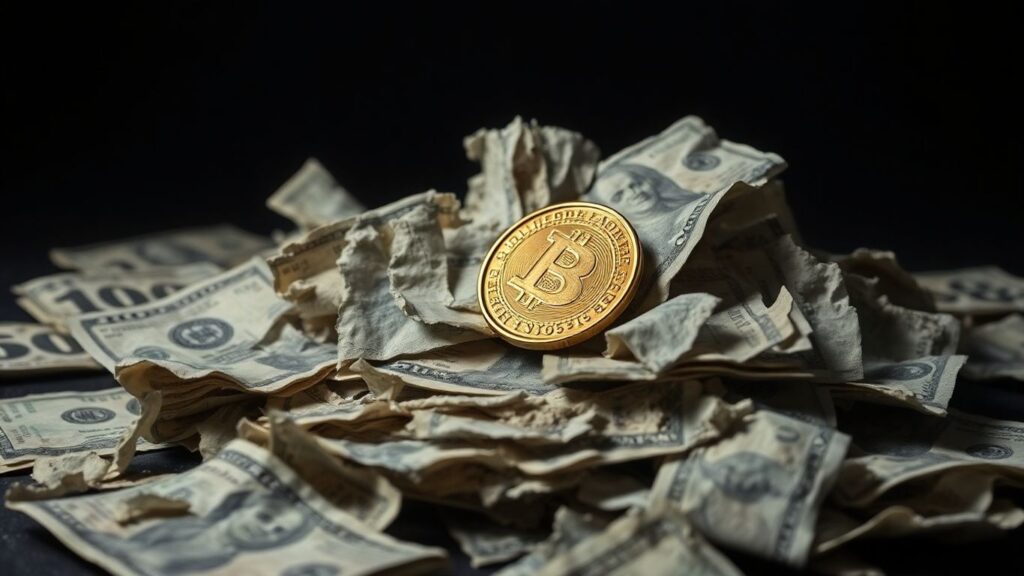
Rogers’ central argument is straightforward: every financial crisis in history has ultimately been a debt crisis. The 2008 global financial crisis was caused by too much private debt — mortgages, leveraged finance, derivatives built on leverage. The policy response — government bailouts, quantitative easing, near-zero interest rates — transferred private debt onto public balance sheets and created even more leverage in the system. Global debt has grown from approximately $170 trillion in 2008 to over $315 trillion in 2025. The interest rate increases of 2022–2024 have raised the cost of carrying this debt significantly. Rogers argues the next crisis — triggered by a sovereign debt problem, a currency crisis, or a derivatives shock — will be larger and more difficult to resolve than 2008, precisely because governments have already deployed the tools they used last time.
“The next bear market will be the worst in my lifetime. Debt is everywhere. The next time we have problems, it’s going to be worse because the debt is so much higher.” — Jim Rogers, characterising the structural fragility he has tracked for decades.
The Commodity Supercycle Case
Rogers has been arguing for a commodity supercycle since the early 2000s, when he launched the Rogers International Commodity Index. His logic: commodities go through long cycles of underinvestment followed by supply shortages and price surges. The 1998–2002 period saw commodity prices at historical lows — mines were closed, farms underinvested, energy exploration cut back. Rogers argued this underinvestment would create a supply crunch as demand grew, particularly from China’s industrialisation. He was broadly right for the 2000s commodity boom. He argues the same logic applies now: a decade of low commodity prices has reduced investment in production capacity at precisely the moment when the energy transition, AI data centre power demands, and re-industrialisation create new structural demand.
Asia and the 21st Century
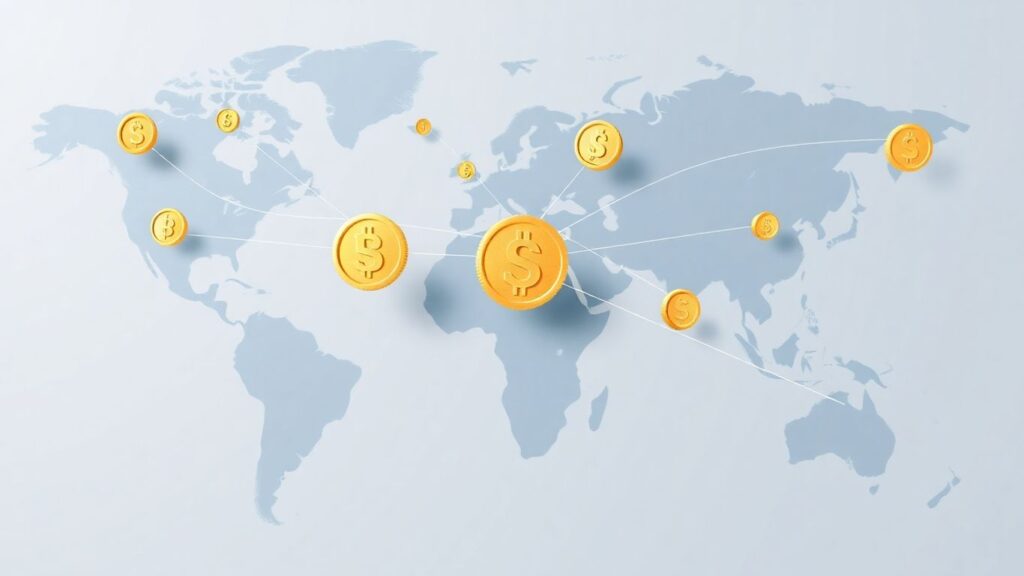
Rogers relocated to Singapore in 2007 — a move he described as analogous to moving to New York in 1807 or London in 1807: positioning for the century that belongs to Asia. He has enrolled his daughters in Mandarin immersion education, arguing that Mandarin will be the most valuable language of the 21st century. His investment thesis aligns with his geography: Asian equities, particularly China and the broader emerging market complex, over Western financial assets. This thesis has been tested by China’s property crisis, regulatory crackdowns, and geopolitical tension — but Rogers maintains that the underlying growth differential between Asia and the West remains structurally in Asia’s favour. For the geopolitical context, see our Geopolitics 2026 overview and the Global Economics series.
The Critique: Why Rogers May Be Wrong
Rogers’ structural arguments have merit — the debt levels he points to are real, the commodity supply dynamics he describes are real. The problem is that “real structural problem” and “imminent crisis” are not the same thing. Japan has had a debt-to-GDP ratio above 200% for two decades without a sovereign crisis. The US dollar, which Rogers has been predicting the collapse of for 30 years, remains the world’s dominant reserve currency. Structural imbalances can persist far longer than any investor can remain solvent waiting for them to resolve. The commodity supercycle thesis has also been complicated by the shale revolution, renewable energy cost declines, and China’s economic slowdown. Rogers’ framework is a useful lens; it should not be mistaken for a trading strategy.
Rogers’ framework suggests portfolio exposure to commodities (via ETFs like broad commodity indices), real assets (farmland, gold, silver), and Asian equities as a hedge against Western debt and currency debasement. The practical implementation for European investors requires UCITS-compliant vehicles — our Index Funds guide covers the accessible options. The key risk: timing. Rogers-style theses can take decades to resolve.
Jim Rogers is one of the most successful investors of the 20th century and one of the most consistently early predictors of the 21st. His structural diagnosis — unsustainable debt, debased currencies, underinvested commodities, rising Asia — is not fringe analysis; it is increasingly mainstream concern dressed in contrarian language. The question is never whether he is right about the direction. It is whether the timing will work within any given investor’s time horizon. Used as a structural framework rather than a trading signal, Rogers’ analysis is genuinely valuable for anyone trying to understand where the global economy is heading.
Responses