Is Europe’s ‘War Hysteria’ Against Russia Justified? An Inside Look

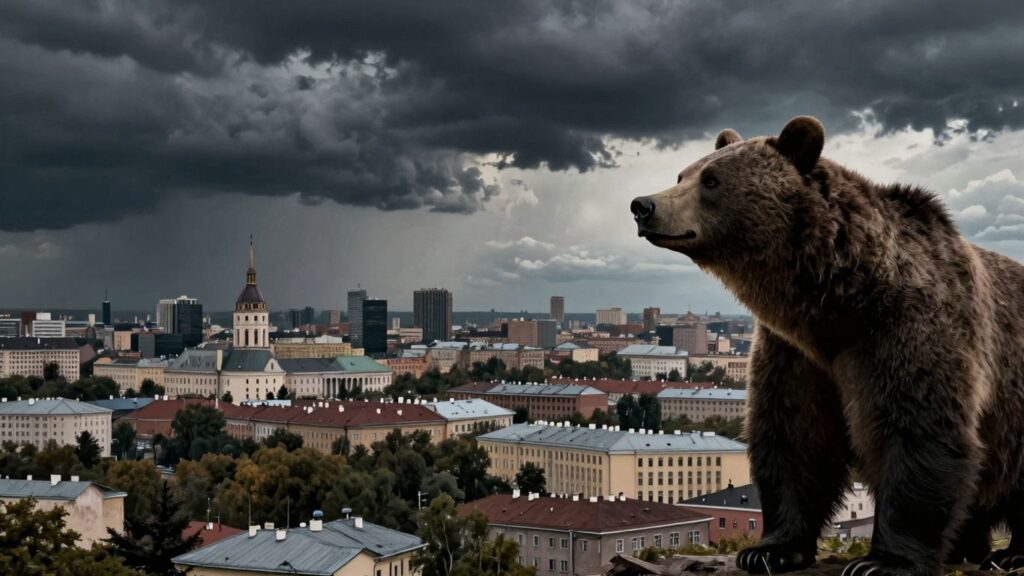
There’s a lot of talk lately about Europe drumming up fears of an inevitable clash with Russia, pushing a narrative that President Putin himself calls "war hysteria." It makes you wonder, is this just fear-mongering, or is there something more to it? We’re going to try and sort out fact from fiction.
Key Takeaways
- Europe lacks the military, economic, and public will for a large-scale war with Russia.
- European leaders’ proposals for Ukraine are seen as a "NATO-ization" without addressing Russia’s core security concerns.
- Russia, according to former diplomat Alastair Crooke, is open to diplomacy but insists on structural security changes.
- Europe faces a deeper crisis: declining U.S. leadership, economic woes, and an ideological framing of the conflict.
The Hysteria Question
Former British diplomat Alastair Crooke, who has extensive experience in European security, suggests that the current level of "hysteria" in the West regarding Russia is not based on reality. He points out that Europe simply isn’t equipped for a major conflict. "It just doesn’t have the money. It doesn’t have the armory and it doesn’t have the people, the forces to go to war with Russia," he stated.
Beyond the practical limitations, Crooke highlights a significant lack of public trust in European leaders. Poll numbers for figures like Merkel, Macron, and Starmer are described as being "barely above double digits." Furthermore, he argues that Western European culture is not militarized. Young people, he observes, are more concerned with holidays and consumer goods than with fighting a war.
Misguided European Proposals
Crooke believes that the current situation stems from a misguided effort by European leaders, particularly from Germany, to pressure Russia into accepting a settlement for Ukraine. These proposals, he explains, essentially amount to "NATO-ization by another name." This includes the presence of European troops, a ceasefire, and security guarantees, but crucially, it fails to address Russia’s fundamental demand for a new European security architecture that involves the United States.
Russia, according to Crooke, is not interested in ceasefires that merely allow Ukraine to rearm. Instead, they are looking for structural solutions to the broader security issues in Europe. The sticking point, he suggests, is the refusal of Europe and Ukraine to make territorial concessions or constitutional changes related to NATO, making the current proposals unrealistic.
Putin's Stance on Diplomacy
Despite the tough talk, Putin himself has indicated a willingness to engage in diplomacy. His spokespeople have stated that Russia has always strived to find diplomatic solutions, even in difficult circumstances. However, they emphasize that the responsibility for failed diplomatic efforts lies with those who believe they can dictate terms through force.
Crooke interprets this as a genuine openness to negotiation, though not a willingness to concede on core security principles. He also notes that both Russia and China are seeking a broader strategic accommodation with the U.S., potentially through joint projects like Arctic development. However, he believes that U.S. and European elites are resistant to any outcome that could be perceived as a Russian victory.
Europe's Deeper Crisis
The current European stance, Crooke argues, is also fueled by an ideological and almost messianic framing of the conflict as a moral struggle between good and evil. This is seen in speeches that contrast "darkness and light." This perspective, he suggests, ignores the deeper crises Europe is facing:
- Declining U.S. Leadership: The erosion of "Pax Americana" leaves a vacuum.
- NATO’s Uncertain Future: The purpose and relevance of the alliance are questioned.
- Worsening Economic Conditions: Rising costs of living and collapsing living standards are creating desperation.
Crooke draws a parallel to Roosevelt’s challenges during the Great Depression, where war eventually helped to reduce unemployment. He suggests that a mix of these motives might be at play, leading European leaders to pursue a path that is not militarily or economically viable.
The Risk of Escalation
There’s a concern that European leaders might be looking to stage an event, perhaps in the Baltic or Black Seas, to provoke a stronger U.S. and NATO response, akin to a "Pearl Harbor" moment. This narrative is echoed by statements from EU officials warning of further Russian aggression if Ukraine falls.
This approach, Crooke believes, is not supported by the general European public, who are not clamoring for war. Instead, he sees it as a desperate attempt by elites to maintain a unified narrative and avoid internal collapse. The fear is that if one leader steps out of line, the entire edifice could crumble. The current situation, he concludes, is driven by a form of collective psychosis among the elites, who cannot fathom a world where the West does not dictate terms, even if it means pursuing a path that is irrational and potentially self-destructive.




Responses