Exploring the Benefits of Shinrin-yoku: The Art of Japanese Forest Bathing

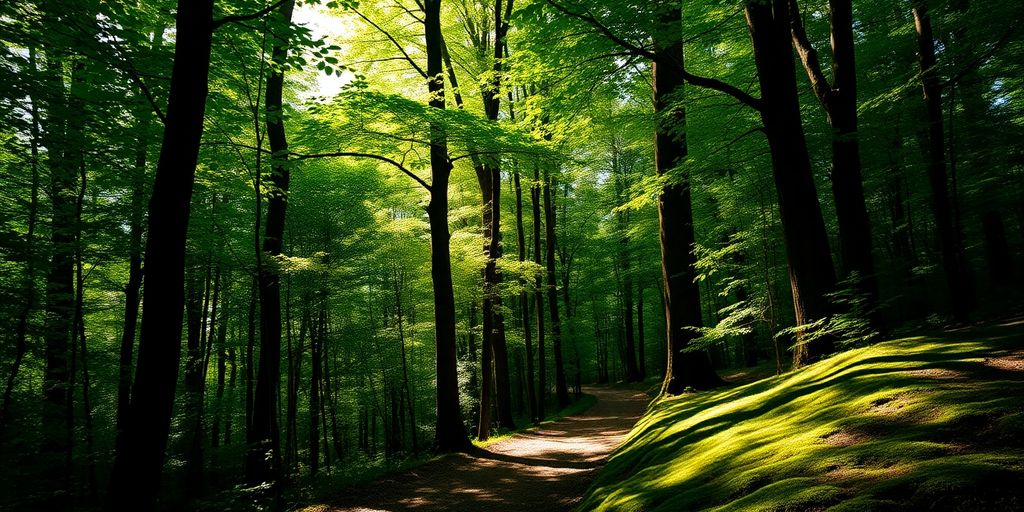
Ever heard of Shinrin-yoku? It’s a Japanese practice that’s catching on worldwide. Basically, it’s about hanging out in the woods, taking it all in, and just being present. People say it’s good for you, both in body and mind. It’s not about hiking or anything intense — just being there. Let’s dive into what makes this practice so special and why folks are embracing it globally.
Understanding Shinrin-yoku
Origins and Cultural Significance
Shinrin-yoku, or forest bathing, is a Japanese practice that encourages individuals to immerse themselves in nature through their five senses, promoting stress reduction and overall well-being. It was developed in the 1980s as a response to the increasing urbanization and technological stress in society. This practice is deeply rooted in Shinto and Buddhist traditions, which emphasize the importance of nature in spiritual and physical health. Simply put, it’s about slowing down and soaking in the forest atmosphere.
Scientific Basis and Research
Scientific studies began in the 1990s, focusing on the physiological and psychological benefits of forest bathing. Research shows significant reductions in cortisol levels — the stress hormone — and improvements in immune function. Biometrics such as white blood cell counts and anti-cancer proteins like granulysin have shown positive changes after engaging in Shinrin-yoku. These findings have been replicated in various studies worldwide, highlighting the universal benefits of nature immersion.
Comparison with Western Practices
While Western practices like mindfulness and meditation share similarities with Shinrin-yoku, there are key differences. Western approaches often emphasize mental exercises and structured techniques, whereas forest bathing is more about passive, sensory engagement with the environment. In essence, Shinrin-yoku is less about achieving a mental state and more about experiencing the natural world through your senses. This makes it easily adaptable to Western settings, whether in a dense forest or a city park.
Health Benefits of Forest Bathing
Physical Health Improvements
Forest bathing isn’t just a walk in the park; it’s a full-body experience that leads to real physical health improvements. Spending time in nature can help lower blood pressure and reduce the risk of heart disease. Walking among trees provides gentle exercise that’s easy on the joints. Being in nature also encourages more physical movement than sitting indoors. Regular forest bathing can improve sleep patterns, helping you feel more rested and energetic.
Mental Health Enhancements
The mental health benefits of forest bathing are significant. When surrounded by the soothing sounds of nature, stress levels drop and the mind relaxes deeply. This practice has been linked to reduced anxiety and improved mood. Forest bathing offers significant mental health benefits including enhanced mindfulness, which helps you stay present and focused in daily life. It’s a natural way to boost emotional well-being without any special equipment or training.
Boosting Immunity Through Nature
Trees release phytoncides — natural oils with antimicrobial properties. When you breathe in these oils, they increase your body’s natural killer cell activity, helping fight off infections more effectively. A regular dose of nature might be just what you need to stay healthy. It’s a simple, natural way to support your body’s defenses without supplements or pharmaceuticals.
Spending time in nature isn’t just about feeling good in the moment — it’s about building a foundation for long-term health. When you make forest bathing a regular part of your routine, you’re investing in your physical and mental well-being.
Practicing Shinrin-yoku

Choosing the Right Location
When it comes to Shinrin-yoku, picking the right spot matters but the bar is lower than you might think. You don’t need to trek into the wilderness — even urban parks with dense tree cover can work. Look for areas with varied plant life, water features, or quiet corners where you can hear the rustle of leaves. The main thing is finding a spot where you feel at ease and genuinely connected to the natural world.
Guided vs. Solo Experiences
Deciding between a guided session and going solo depends on what you’re after. Guided experiences offer structure and insights, especially if you’re new to forest bathing — a guide can help you engage all your senses and introduce techniques you might not have considered. Solo experiences, on the other hand, allow for more personal and flexible exploration. You set your own pace and follow your instincts, which can be incredibly freeing.
Incorporating Mindfulness Techniques
Bringing mindfulness into your Shinrin-yoku practice is all about being present. Start by taking slow, deep breaths. Feel the air fill your lungs and release it slowly. As you walk, pay attention to sensations under your feet, the scents in the air, and textures you can touch. Stop occasionally to just listen. This mindful approach enhances your connection with nature and amplifies the stress-reducing benefits of the practice.
Leave your phone in your pocket. Forest bathing works precisely because it removes the stimulus loop of digital life. Aim for at least 20 minutes of uninterrupted nature immersion for measurable physiological effects — 2 hours is the evidence-backed optimal duration.
Environmental Impact of Forest Bathing

Promoting Conservation Efforts
Shinrin-yoku has a unique way of connecting people to the natural world, which can translate into increased conservation efforts. When individuals spend time in nature, they develop a deeper appreciation for it, making them more likely to support conservation initiatives. This connection sparks a desire to protect and preserve natural spaces for future generations. Forest bathing turns passive visitors into environmental advocates — people who volunteer, donate, and spread awareness about the importance of preserving natural habitats.
Sustainable Tourism Practices
As forest bathing gains popularity, its impact on tourism demands attention. Sustainable practices are crucial to ensure the natural environments used are not harmed. This involves limiting the number of visitors to sensitive areas to prevent degradation, educating participants on “leave no trace” principles to minimize environmental footprints, and encouraging local communities to participate in and benefit from forest bathing tourism so that economic gains support conservation.
Connecting People with Nature
Forest bathing provides a simple yet profound way to reconnect with nature in a world where urbanization dominates. By regularly engaging in forest bathing, individuals experience a sense of belonging to the natural world — leading to healthier lifestyles and greater commitment to environmental stewardship. This connection fosters a community of nature enthusiasts who genuinely prioritize the health of our planet.
Shinrin-yoku Around the World
Adoption in Western Countries
Shinrin-yoku has made its way across the globe, finding a home in Western countries. People are drawn to the practice for its simple yet profound way of reconnecting with nature. In the United States and Europe, forest therapy guides are becoming more common, offering structured experiences in local parks and woodlands. This practice is not just a trend but a growing movement towards holistic health.
Cultural Adaptations and Variations
As Shinrin-yoku spreads, it naturally evolves. Each culture adds its own flavor. In the U.S., there’s a focus on mindfulness and meditation during forest walks. In Europe, some practitioners incorporate elements of local traditions — like Nordic walking or herbal knowledge — into their sessions. These adaptations make forest bathing accessible and relevant to diverse communities worldwide.
Global Shinrin-yoku Communities
Around the world, communities are forming around the shared love of forest bathing. These groups organize events and retreats, fostering a sense of belonging among participants. Some use social media to connect globally, sharing experiences and tips. These communities highlight the universal appeal of Shinrin-yoku, showing that the need to connect with nature transcends cultural boundaries.
Challenges and Misconceptions
Overcoming Common Barriers
Getting into forest bathing isn’t always a walk in the park. Time is a major barrier — people are busy, and carving out a chunk of your day to wander in the woods can feel impossible. Then there’s the accessibility issue: not everyone lives near a forest or a decent park. Plus, some folks just aren’t comfortable with bugs, dirt, and the unpredictability of the outdoors. Finding the right balance between embracing nature and maintaining comfort can be tricky.
Debunking Myths About Forest Bathing
There’s a lot of noise around what forest bathing is supposed to be. Some think it’s just a fancy term for hiking. Others imagine it as a mystical ritual involving chanting and incense. In reality, it’s about being present in nature — not about how far you walk or what gear you have. Another myth? That it’s only for the super healthy or the spiritual. Forest bathing is for anyone who wants to feel better, mentally and physically.
Addressing Accessibility Issues
Accessibility is a real hurdle. Many natural spaces aren’t set up for people with mobility challenges, making forest bathing feel exclusive. There’s also the issue of transportation — getting to a suitable location isn’t always easy without a car. To make forest bathing more inclusive, communities can work on creating accessible trails and providing transportation options. The goal is ensuring everyone can enjoy the healing power of nature, regardless of physical ability or location.
Future of Shinrin-yoku
Innovations in Forest Therapy
Imagine a world where technology and nature blend seamlessly to enhance well-being. That’s the direction forest therapy is heading. Virtual reality (VR) and augmented reality (AR) are becoming tools for experiencing forest serenity without leaving urban environments. These technologies simulate the sights and sounds of nature, offering a digital escape into calming forest settings. Wearable devices that monitor physiological responses during forest therapy are also emerging, providing real-time feedback to enhance the experience.
Potential for Urban Integration
Cities are buzzing with life, but they can also be overwhelming. Integrating Shinrin-yoku into urban areas is gaining traction. Urban planners are now considering green spaces not just for aesthetics but as vital components of city life. Rooftop gardens, vertical forests, and pocket parks are proliferating, giving city dwellers a taste of nature amidst concrete. These initiatives aim to make forest bathing accessible for everyone, even in the heart of bustling metropolises.
Research and Development Trends
Ongoing research is crucial to understanding the full scope of Shinrin-yoku’s benefits. Studies are diving deeper into how forest environments impact mental health, focusing on stress reduction and mood enhancement. There’s also growing interest in the physiological benefits of forest bathing such as boosting immunity and lowering blood pressure. As more data emerges, it will inform best practices and encourage wider adoption.
Shinrin-yoku offers more than a walk in the woods. It’s a scientifically validated practice that reduces stress hormones, boosts immunity, and resets mental well-being — for free, with no equipment required. In an era of chronic overstimulation, spending two hours among trees may be one of the most rational health investments you can make. The forest has always been there. The research now confirms it was worth visiting all along.
Frequently Asked Questions
What exactly is Shinrin-yoku?
Shinrin-yoku, also known as forest bathing, is a Japanese practice where you spend time in nature — especially among trees — to relax and feel better. It’s like taking a calming walk in the woods to help your mind and body, with full sensory awareness rather than a fitness goal.
How does forest bathing help our health?
Forest bathing can lower stress hormones, improve mood, and boost your immune system. Being around trees and nature helps your body relax, lowers blood pressure, and can even improve sleep quality.
Can I practice Shinrin-yoku in a city?
Yes, you can practice Shinrin-yoku in city parks or even your backyard. As long as there are trees and plants, you can enjoy the benefits of nature. Urban parks with dense tree cover work well.
Do I need any special equipment for forest bathing?
No special equipment is needed. Just wear comfortable clothes and shoes. The goal is to enjoy nature with all your senses, so you don’t need anything fancy — though leaving your phone behind is strongly recommended.
Is forest bathing the same as hiking?
No. Forest bathing is about slowly walking or sitting in nature and absorbing the environment with all your senses, rather than covering distance or achieving a fitness target. The pace is intentionally slow and mindful.
Can kids do forest bathing?
Absolutely. Kids can enjoy forest bathing too. It’s a great way for them to explore nature, reduce screen time, and develop a lasting connection with the natural world.




Responses