Europe’s Bleak Future: Why the Continent is Headed for Trouble

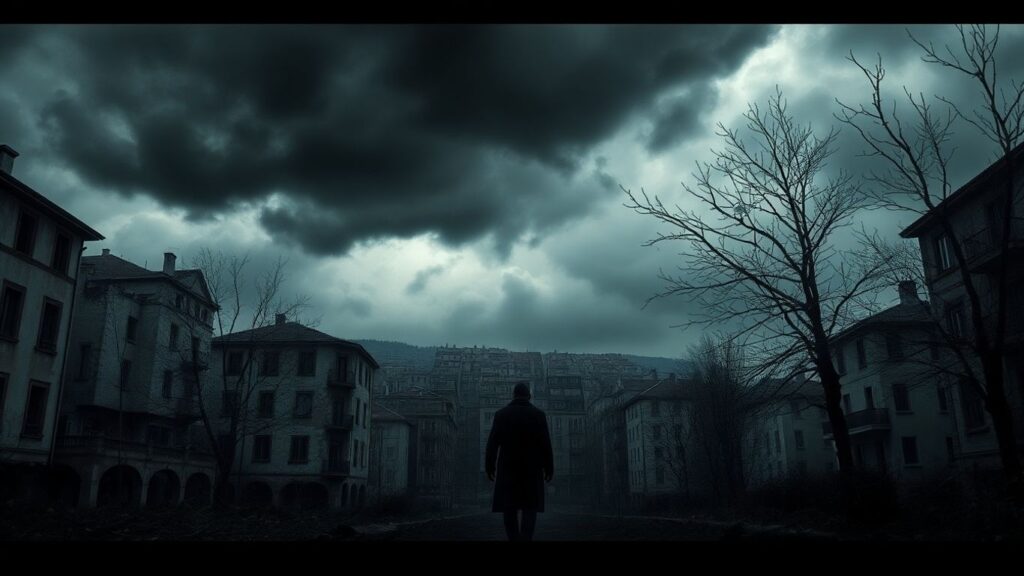
Professor John Mearsheimer recently spoke about the future of Europe, and it’s not exactly a rosy picture. He laid out a pretty grim outlook, mainly focusing on geopolitical factors. While demographics are also a concern, Mearsheimer’s talk zeroed in on how Europe’s stability has relied heavily on the presence of the United States and NATO.
Key Takeaways
- Europe’s stability is largely dependent on US military presence.
- A shift towards multipolarity is pulling US attention away from Europe.
- The war in Ukraine has damaged US-European relations.
- Europe faces a future of instability and potential conflict.
The US as Europe’s Pacifier
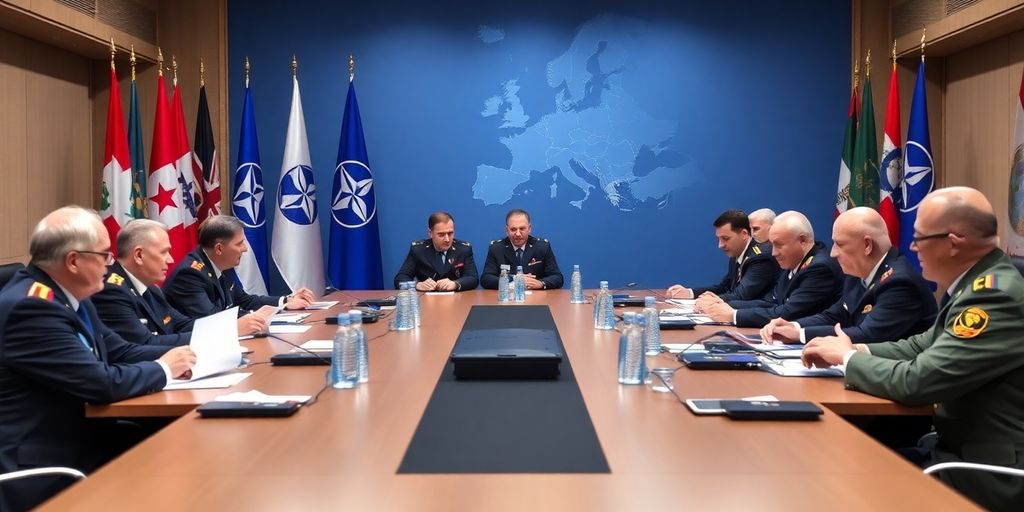
For a long time, the United States has acted as a sort of pacifier in Europe. Through NATO, a US-dominated alliance, America has helped keep European countries from fighting amongst themselves and has solved major collective problems. Even after the Cold War, NATO expansion was about extending this security umbrella to create a zone of peace across Europe. The idea was to keep the US deeply involved because its presence was so important for European stability.
Shifting Global Power Dynamics
However, two major forces are now working against this continued US engagement in Europe. First, the global distribution of power has changed. We’ve moved from a unipolar world, where the US could easily maintain forces in Europe, to a multipolar one. With the rise of China as a peer competitor, the US is increasingly looking to pivot its resources and attention to Asia. This means less focus and fewer resources for Europe.
The Ukraine War’s Impact
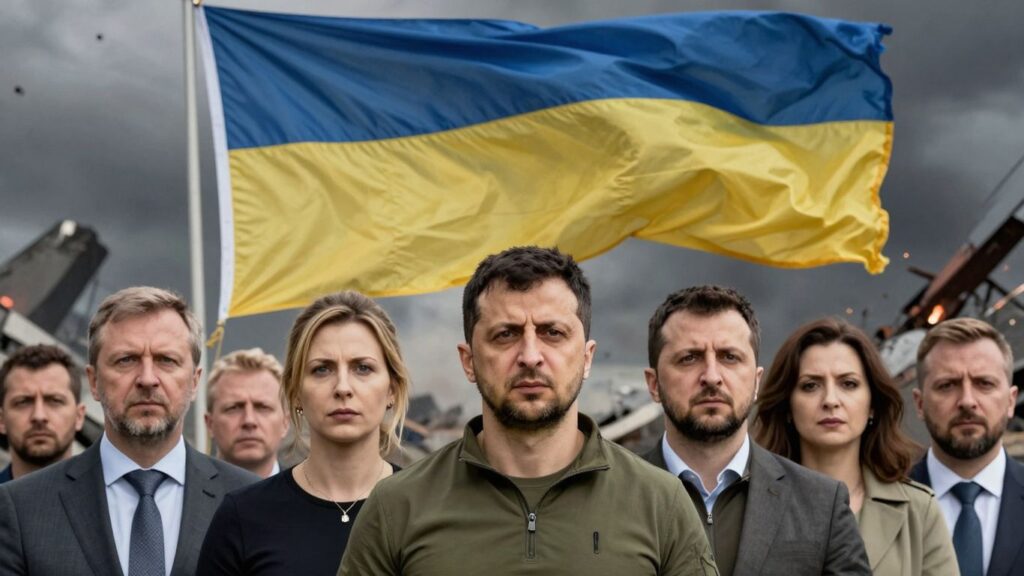
The second major force is the war in Ukraine. This conflict has created significant problems in US-European relations. There are disagreements on how to handle Ukraine, with some in the US, particularly those aligned with Donald Trump, wanting to end the war and focus on Asia. This has led to friction and anger, giving the US more incentive to disengage from Europe. The combination of a changing global power balance and strained relations due to the Ukraine war creates a powerful incentive for the US to reduce its military presence in Europe.
A Future of Instability
Mearsheimer predicts that a meaningful peace agreement in Ukraine is unlikely. He believes the conflict will likely end in a frozen conflict, leading to long-lasting, poisonous relations between Europe and Russia. This ongoing animosity will create a lot of instability in Europe. The future, from a geopolitical standpoint, looks quite bleak.
Europe’s Options
So, what can Europe do? Mearsheimer suggests two main goals. First, Europe needs to find a way to shut down the war with Russia and avoid future poisonous relations. The current path, with both sides having incentives to cause trouble for each other, is unsustainable. There are many potential flashpoints, like the Arctic, the Baltics, and the Black Sea, that could easily reignite conflict.
Second, Europe needs to figure out how to manage its relationship with the United States. Keeping the US military presence on the continent is in Europe’s best interest, but it’s becoming increasingly difficult. A major crisis in East Asia could easily pull US attention away from Europe. Furthermore, the ongoing disagreements over the Ukraine war are further damaging US-European ties.
The Stalemate and Misunderstandings
There’s a fundamental misunderstanding in the West about the nature of the conflict in Ukraine. Many in the West see it as an imperialist land grab by Russia, something that could be resolved with territorial concessions. However, Mearsheimer argues that for Russia, the situation in Ukraine, particularly the West’s efforts to integrate it into NATO and the EU, is an existential threat. This is why Russia’s demands haven’t changed and why they are unlikely to compromise.
This deep-seated, existential view on both sides makes a diplomatic solution incredibly difficult. The West, particularly the US and Britain, encouraged Ukraine to reject a potential deal in April 2022, believing they could defeat Russia. This decision escalated the conflict, both in terms of military capabilities and the goals of each side. Now, the war has gone much further, making a deal far more complex.
The Battlefield Decides
Mearsheimer is skeptical about the various peace proposals being discussed, including those involving Donald Trump. He believes that ultimately, the war will be settled on the battlefield, leading to a frozen conflict and prolonged bad relations between Russia and the West. The idea that a deal can be easily struck now is, in his view, unrealistic. The deep-seated issues and the escalation of the conflict mean that a peaceful resolution is a long way off, painting a grim picture for Europe’s future.



![[John Mearsheimer] with a dark, stormy European map backdrop.](https://www.peopleandmedia.com/wp-content/uploads/2025/12/0746cf2ethumbnail-1024x576.jpeg)

Responses