Europe and Trump: Is Europe Playing into Putin’s Hands?

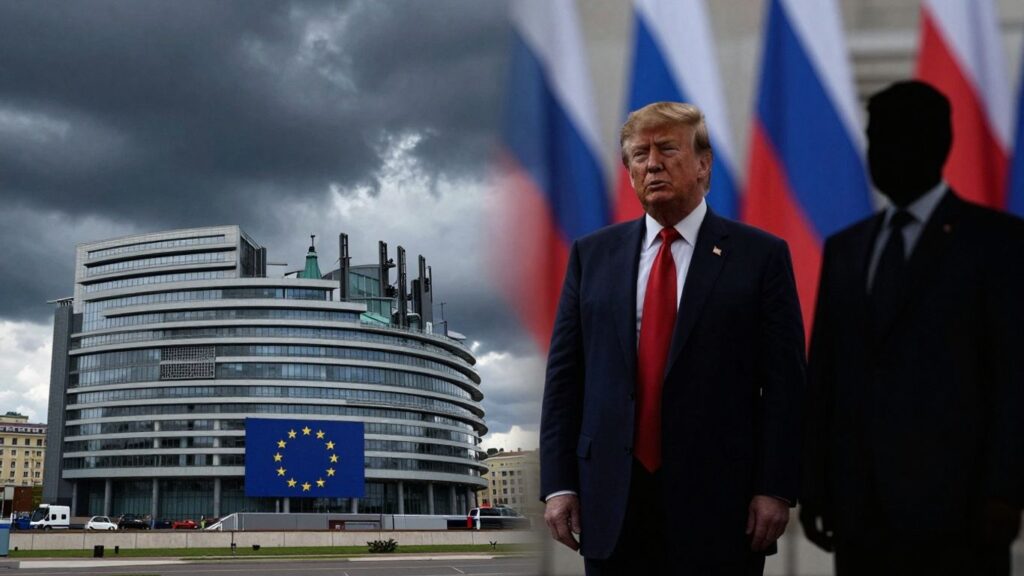
This discussion dives into the complex geopolitical landscape, particularly focusing on the roles of Europe and Donald Trump in the ongoing conflict and its broader implications. It questions the effectiveness of current strategies and explores potential future scenarios, suggesting that current actions might inadvertently serve Russia’s long-term objectives.
Key Takeaways
- The US has been the primary driver of the Ukraine nation-building project.
- Both Trump and Biden administrations have shown a lack of effective foreign policy and diplomatic skills.
- Europe’s response to the conflict, including its financial commitments and military buildup, is analyzed.
- Russia’s objectives and potential strategies are examined, with a focus on its long-term security interests.
- The role of the military-industrial complex in perpetuating conflict is highlighted.
The US Role in Ukraine
The United States has been the driving force behind the Ukraine nation-building project, a fact often overlooked. This involvement, dating back to the 2014 Maidan coup, forms a foundational pillar of the current narrative. However, the discussion points out a significant lack of genuine diplomatic skill and experience within US administrations, leading to a failure to progress towards peace or negotiated settlements. Both the Trump and Biden administrations are criticized for their handling of foreign policy, with the Trump administration specifically blamed for sabotaging the Iran nuclear deal (JCPOA).
Trump's Foreign Policy Approach
Donald Trump’s approach to foreign policy is characterized by surrounding himself with "yes people," which he perceives as an asset rather than a handicap. His strategy relies on the sheer force of his personality to act as a change agent. However, this approach is seen as lacking in "statecraft," leading to a political split between the US and Europe. While Trump claims to have stopped US spending on Ukraine, reports suggest that aid continues, with the US still providing significant military support. His foreign policy is described as having a "corner shop mentality," lacking vision compared to previous leaders.
Europe's Response and Challenges
Europe’s response to the conflict is multifaceted. While showing solidarity with Ukraine, the continent faces internal challenges and economic pressures. The discussion highlights that Europe has had to borrow heavily, essentially robbing its own citizens to fund the war effort. The remilitarization of Europe is presented as a win by some, but concerns are raised about the economic strain and the potential for this to lead to further conflict. Countries in Central Europe, bordering Ukraine, are particularly wary of the risks involved, with some leaders openly questioning the continued financial support for the proxy war.
Russia's Objectives and Strategy
Vladimir Putin’s objectives are presented as clear: achieve the goals of the "special military operation" either through diplomacy or military means. Russia’s long-term security interest is to prevent future threats by neutralizing Ukraine as a threat. The actions of the US and UK in encouraging Ukrainian attacks on Russian targets are seen as reinforcing Russia’s need to secure its interests further west. The discussion suggests that both Washington and Europe are inadvertently playing into Moscow’s long-term objectives, effectively being "played like a fiddle."
Seeds of Future Conflict
The analysis suggests that even proposed peace plans, like Trump’s 28-point plan, contain "seeds of future conflict." Issues such as the status of remaining territories in Donbas, the size of Ukraine’s future army, and the continued presence of nationalist elements within the Ukrainian military are seen as potential triggers for renewed hostilities. The historical support for Ukrainian nationalists by the US and UK is also cited as a legacy issue that Russia aims to address to prevent future problems.
The Military-Industrial Complex
The discussion touches upon the influence of the military-industrial complex, with corporations profiting from the ongoing conflict. The financial incentives for continued war are highlighted, especially as Europe faces economic decline. This complex, along with entities like BlackRock, is seen as a driving force that can influence political leaders and perpetuate conflict for financial gain. The reliance on "military Keynesianism" as a solution for economic woes is presented as a worrying trend.

Responses