Are Trump’s Killings and Threats Just a Bluff? Mearsheimer Weighs In

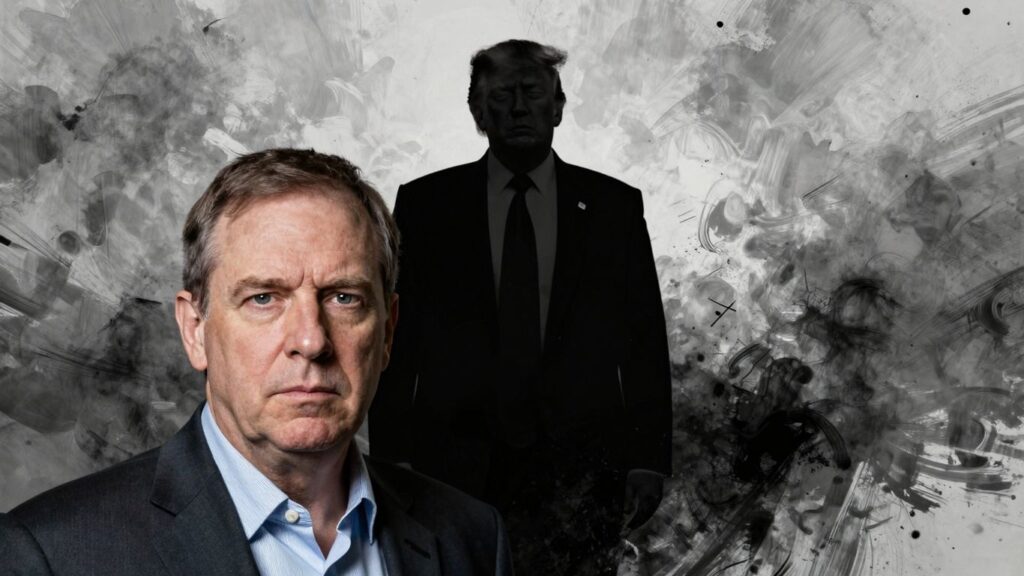
Judge Andrew Napolitano sits down with Professor John Mearsheimer to discuss some pretty heavy topics, including recent military actions and the shifting global power balance. It’s a conversation that touches on everything from alleged drug busts gone wrong in the Caribbean to the simmering tensions over Taiwan.
Key Takeaways
- Defense Secretary Heath’s actions, including the leak of classified documents and the controversial killings in the Caribbean, are seen as "beyond the pale" and have created significant problems for the administration.
- There’s a tendency within militaries to kill civilians unlawfully, and leaders must work hard to keep this in check. However, figures like Heath and Trump seem to disregard rules of engagement, which is a "prescription for disaster."
- The killings of shipwreck survivors in the Caribbean are particularly troubling, with some lawmakers questioning the justification and legality of such actions, especially when compared to a later incident where survivors were rescued.
- The situation around Taiwan is becoming increasingly dangerous, with both the US and China viewing it as a critical strategic point, and Japan signaling its own concerns.
- While the US is facing challenges and China is a growing power, the idea of a "crumbling empire" is considered too strong a statement, though the unipolar moment is over.
The Controversial Caribbean Killings
Professor Mearsheimer doesn’t hold back when discussing the recent events involving Defense Secretary Heath. He points to three main issues: the leak of classified documents, the killing of people on speedboats allegedly carrying drugs far from the US, and the killing of survivors clinging to wreckage. Mearsheimer calls Heath’s behavior "beyond the pale" and "unacceptable," suggesting that Heath’s poor treatment of subordinates has led to "blowback" and efforts to undermine him.
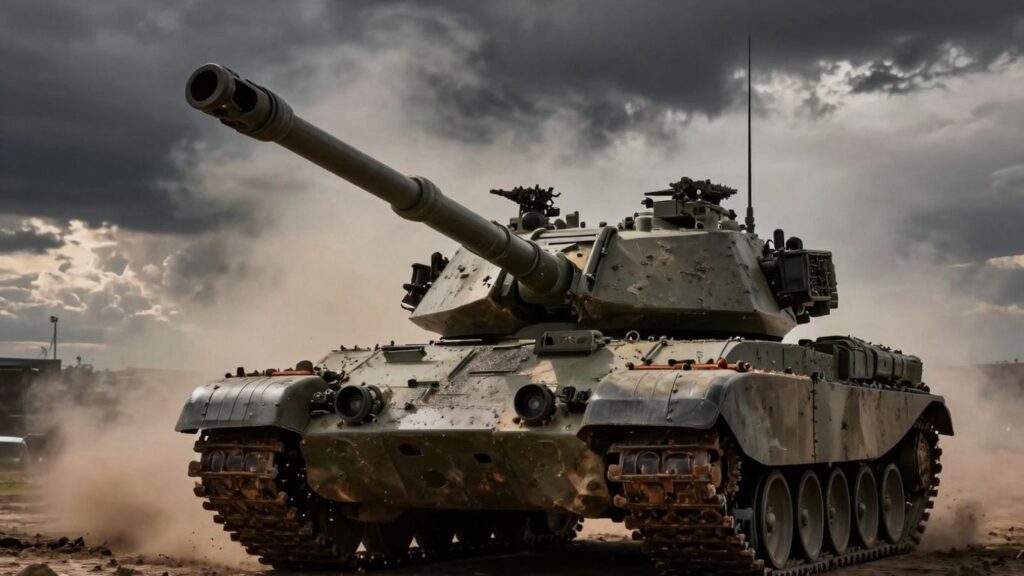
He explains that militaries are "giant killing machines" and there’s always a risk of killing civilians unlawfully. Political and military leaders try to control this, but figures like Heath and Trump, Mearsheimer argues, don’t like rules of engagement. They believe soldiers should have more freedom to act, which he sees as a dangerous path.
A clip is played of Secretary Heath speaking about "unleashing overwhelming and punishing violence" and not fighting with "stupid rules of engagement." Mearsheimer finds this unprecedented and extremely irresponsible. He contrasts this with his West Point days, recalling the My Lai massacre and how the superintendent was removed for actions under his command. The message then was clear: unlawful behavior has consequences. Heath’s rhetoric, he believes, encourages maximizing barbarous behavior rather than minimizing it.
Lawmakers like Senator Coons and Congressman Hines also express deep concern. Coons questions how drug trafficking in the Caribbean justifies lethal strikes and isn’t convinced by the explanation that survivors were "narco terrorists." Hines describes seeing "shipwrecked sailors" killed, calling it one of the most troubling things he’s witnessed, and notes that attacking a shipwreck is an impermissible action according to the DoD manual.
The "Narco-Terrorist" Label and Legal Questions
The term "narco-terrorist" is brought up, with Mearsheimer clarifying that it’s a political phrase, not a legal one. He states that simply labeling someone as such doesn’t give the right to kill them, just as local police can’t murder drug distributors. The lack of revealed evidence about who was killed and what they were doing is a major issue. He also points out that the same Department of Justice lawyers who advised on torture under Bush and drone strikes under Obama are involved, raising further questions.
A Bluff to Intimidate Venezuela?
One theory discussed is whether these actions are a "bluff" to intimidate Venezuela’s President Maduro. Mearsheimer suggests that Heath’s "George Patton-like" speech indicates the administration believes it has the right to shoot anyone they think might be a bad guy, regardless of the reality. This, he states, is a view shared by the President and constitutes war crimes under the Geneva Conventions.
There’s a clear attempt to shift blame, with the military potentially blaming civilian leaders and Trump blaming Heath. Mearsheimer believes "chickens are coming home to roost" as people start asking tough questions. He highlights Trump’s denial of the second strike, which killed the survivors, and Heath’s similar claim of ignorance, despite the legal and moral similarities between the two strikes.
The Dangerous Situation in Taiwan
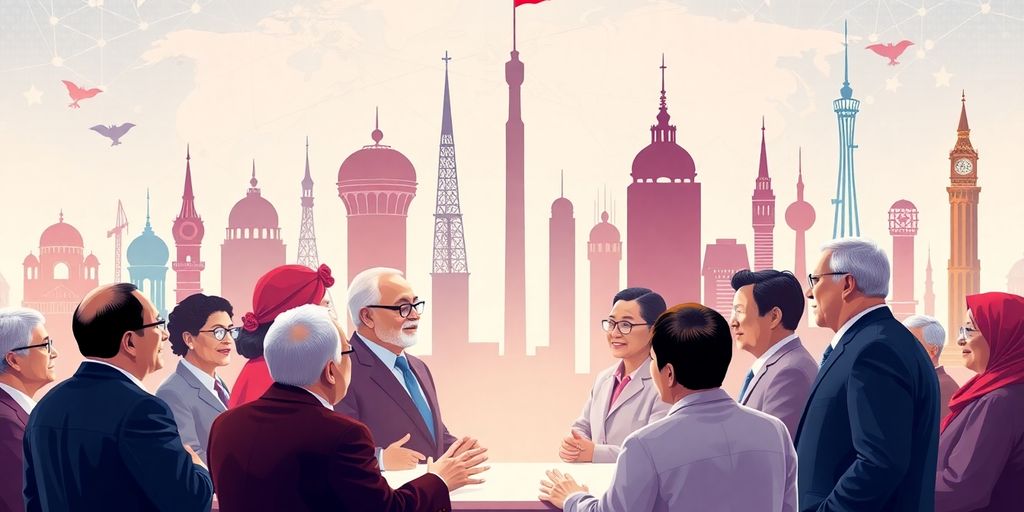
The conversation shifts to the growing tensions over Taiwan. The Japanese Prime Minister’s statement that a Chinese attack on Taiwan could be a threat to Japan’s survival is discussed. Mearsheimer notes that while she didn’t reject the "one China policy," she was stating the obvious from Japan’s perspective. Taiwan holds enormous strategic importance for Japan, which took it from China in 1895.
He mentions that President Biden has stated multiple times that the US would defend Taiwan if attacked, even though these statements were later walked back. The implication is that both the US and Japan would likely come to Taiwan’s defense. This is a dangerous situation because controlling Taiwan is strategically vital for Japan, Australia, the Philippines, and the US, making it anathema to China.
Is the US Empire Crumbling?
Professor Mearsheimer dismisses the idea that the "United States empire is crumbling" as too strong. However, he acknowledges that the US is "in trouble" and facing serious challenges, citing events in Ukraine and the Middle East. He agrees that the "unipolar moment" after the Cold War is over. China has grown significantly and is now considered a "peer competitor."
While China’s economic growth could lead it to surpass the US militarily in the coming decade, Mearsheimer doesn’t see American military power being under threat to the point of collapse right now. The core issue is the growing power of China and the resulting confrontation with the US over strategic locations like Taiwan, the South China Sea, and the East China Sea. This standoff, he argues, is the inevitable outcome of China’s rise.

Responses