A 28-Point Peace Plan: Is the US Pushing for an End to the Conflict?

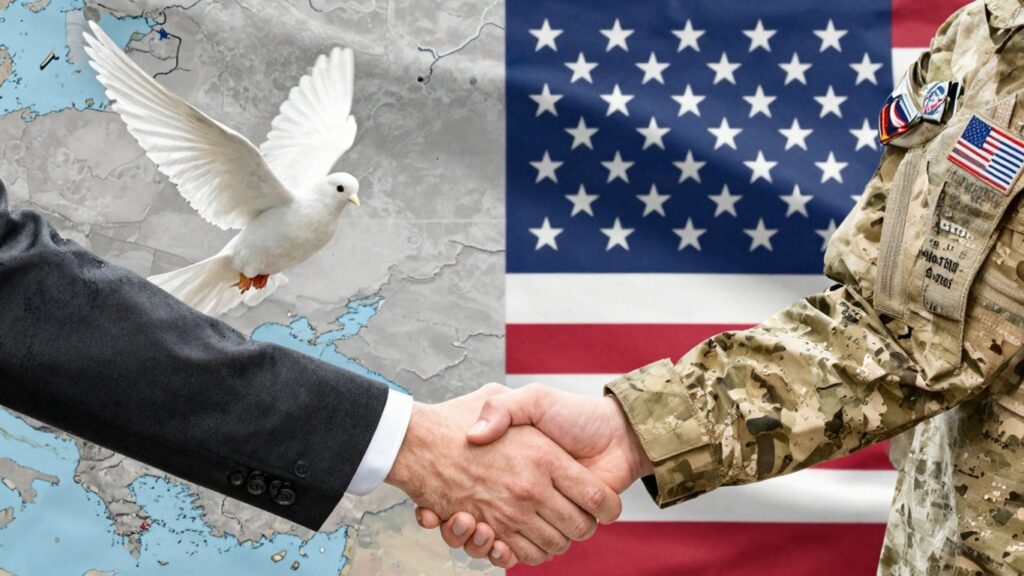
Recent weeks have seen significant shifts on the military front, with Russian forces making rapid territorial gains and encircling large numbers of Ukrainian troops. While diplomatic talks seemed stalled, discussions have continued behind closed doors, particularly between American and Russian officials. These talks have reportedly led to a consensus on the basic framework for a peace deal, a development that has surprised many.
The military situation on the ground appears to have been a major catalyst for these renewed diplomatic efforts. The rapid Russian advances likely alarmed American officials, who may have seen a diminishing capacity for Ukrainian forces to regain territory or achieve tactical successes. Ukrainian soldiers have fought bravely, but the army reportedly lacks the maneuverability and air support needed to effectively counter Russian advances or rescue encircled troops.
Key Takeaways
- A 28-point peace plan, reportedly discussed between US and Russian representatives, has emerged.
- The plan appears to lean towards Russian objectives, suggesting compromises from the US side.
- Ukrainian and European leaders have largely rejected the plan, deeming it unacceptable.
- The military situation on the ground is a significant factor influencing diplomatic efforts.
- There’s a growing fatigue with the conflict on both Ukrainian and Russian sides, increasing the desire for a negotiated solution.
The 28-Point Peace Plan
The 28-point document, now public, outlines the substance of the agreement. While some points may still be debated by the Russians, the overall direction seems to align with what Russia has been seeking. This suggests a degree of agreement, at least partially, from the Russian side, as indicated by discussions involving Russian special envoy Kirill Dmitriev. Any agreement of this nature requires compromise, meaning neither party fully achieves all its initial demands.
However, this plan appears to be at odds with the desires of Ukraine and many European nations. Reactions from Kyiv and European leaders have been largely negative, with statements calling the proposals unacceptable. This echoes a similar situation in April 2022, when a potential agreement was reportedly rejected, a decision that some believe left Ukraine in a worse position.
The Stakes for Ukraine
If Ukraine refuses this deal, the situation could worsen. Russia, having experienced previous agreements not being fully honored, may continue military operations until a settlement is reached. The longer Ukraine waits, the fewer options it may have, and its position could become more precarious. Ukrainian representatives have outlined red lines, including neutrality, limitations on the army, and territorial concessions, which are essentially the core points of the proposed deal.
On the Russian side, some hardliners may also be unhappy, having endured a long war and seeking more territorial gains. However, President Putin likely has enough support to push for this agreement. For Ukraine, rejecting the deal could lead to significant pressure from the US, especially if Donald Trump is involved in brokering the peace.
Internal Dynamics and External Pressures
It’s unclear how much freedom of movement Trump has within the US political landscape, as neoconservative elements continue to advocate for prolonged support for Ukraine to deplete Russian resources. This strategy, however, may not be sustainable for European economies, despite the hawkish rhetoric from some European leaders. There’s a growing disconnect between political statements and economic realities.
Trump’s objective to "make America great again" likely involves disengaging from conflicts that drain resources. Yet, he faces pressure to continue supporting Ukraine and containing Russia. Meanwhile, within Russia, there are those who wish to capitalize on the sacrifices made and achieve further territorial objectives, such as gaining control of Odesa and Mykolaiv to secure Black Sea access.
Navigating the Stalemate
The current situation presents a complex balancing act. The 28-point document signifies a significant step by the US towards Russia’s position, even if not perfect. Issues like NATO membership for Ukraine have long been off the table, with US President Biden himself stating in 2022 that Ukraine would not join NATO. This leaves neutrality as a more plausible option, aligning with Ukraine’s 1996 constitution.
The territorial question remains the most sensitive. Ukrainian President Zelenskyy has paid a high price to defend every meter of territory. Ceding further land, such as Zaporizhzhia and Kherson, without significant gains could be seen as an insult and politically damaging. This creates a situation where both sides have something to lose and gain, making a truly satisfactory agreement difficult.
The Nature of Compromise
A good agreement, as some suggest, is one where neither party is completely satisfied. The current proposal seems to fit this description. While official Russian reactions are pending, Ukrainian and European rejections have been strong. However, objections from both sides could be a sign of a workable deal that requires further negotiation on specific points.
The plan’s origin with the Trump administration suggests a potential goodwill gesture from the US towards Russia. Flatly rejecting such a deal might jeopardize future US goodwill. Russia must weigh this carefully. The goal is not just a short-term fix but a lasting solution that both sides can live with. The current European mood, heavily influenced by leaders like Kaja Kallas, is not conducive to compromise. Similarly, political turmoil in Kyiv and growing opposition to Zelenskyy may also hinder his willingness to accept a deal.
Fatigue and the Path Forward
There’s a noticeable fatigue with the conflict, evident in both Ukraine and, to a lesser extent, Russia. While life in Russia remains largely unaffected for many, polls indicate a growing desire for a negotiated solution. This fatigue on both sides could influence the decision-making process regarding the peace plan.
Ultimately, the decision rests with the parties involved. Ukraine may need to reconsider its definitive rejection, while Russia will likely analyze the proposal thoroughly. Europeans, too, must consider whether they can achieve a better outcome than what is currently on the table. The plan, while potentially skewed in Russia’s favor, reflects the current reality on the ground. The idea that NATO can act solely as a guarantor, rather than a participant, is a point of contention, especially regarding the potential stationing of long-range weapons.
Controversial Points and Frozen Assets
Several aspects of the plan are likely to be controversial for Russia. The use of frozen Russian assets for Ukraine’s reconstruction is a significant point. Russia may argue that these assets belong to the Russian people and that Europe, having influenced Ukraine to reject a previous deal, should bear the reconstruction costs. The rejection of a deal in April 2022, which could have preserved more of Ukraine’s territory and neutrality, is a key point of contention.
Furthermore, the idea of sanctions relief might not be as compelling for Russia as it seems. President Putin has suggested that Russia should not rely on sanctions relief and has even framed sanctions as an opportunity to boost domestic industry. Russia has adapted to sanctions, strengthening ties with China and developing new markets, potentially reducing its need for European economic engagement.
The Role of Europe and the US
Europe’s current stance, characterized by a refusal to appease or negotiate with Russia, seems to be pushing towards Ukraine’s defeat rather than a political solution. This contrasts with the US, which appears to favor a political settlement. Europe’s lack of initiative and its perceived irrelevance in major international discussions, including those concerning Iran and Palestine, highlight its diminished influence.
While the US, under Trump, has made attempts to find a solution, however clumsy, Europe has largely stuck to its initial rhetoric. This leaves Europe in a position of powerlessness, unable to provide sufficient financial or military support. The US and Russia are reportedly discussing the peace plan without direct European involvement, underscoring Europe’s marginalization in this process.
A Path to Peace?
The current situation presents two main paths: Ukraine’s defeat or a political solution. Europe’s reluctance towards a political solution may inadvertently lead to the former. However, the US appears committed to a political settlement, albeit one that might exclude Europe’s active participation. The plan’s emergence, with Russia not objecting to its core tenets while Ukraine and Europe do, suggests that pressure from the US to accept the deal may be imminent. This comes at a critical time for Ukraine, which is facing significant challenges on the battlefield. The coming weeks will be crucial in determining whether this 28-point plan can pave the way for a lasting peace.








Responses