Additional information
| Author | Iyanla Vanzant |
|---|
Aggregated insights from reviews and discussions across the web.
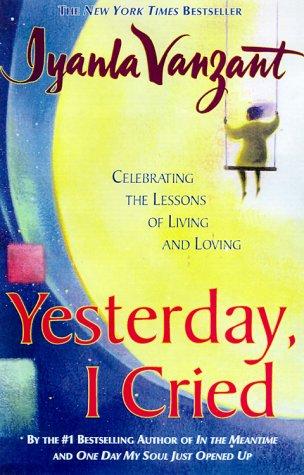
Yesterday, I Cried by Iyanla Vanzant is generally well-received online, with a 4.26 average rating on Goodreads from over 2,800 ratings. The book is described as a raw, honest memoir where Vanzant shares her personal journey through abuse, abandonment, difficult relationships, and ultimately spiritual healing. Readers consistently praise the book's vulnerability and authenticity, with many noting how Vanzant's willingness to expose her painful past—including childhood abuse by her grandmother, sexual abuse, multiple difficult relationships, and raising children as a teenager—creates a powerful connection with readers who see their own struggles reflected in her story.
While the book is categorized as self-help, many readers note it functions more as a memoir with spiritual lessons woven throughout. The narrative structure involves Vanzant reflecting on her life while taking a bath, which some readers found effective for introspection while others found it became repetitive and silly. Reviewers frequently describe the book as 'life-changing,' 'inspiring,' and 'soul-cleansing,' with particular appreciation for how Vanzant demonstrates that past pain can be transformed into wisdom and strength. However, some readers found the writing style meandering, the content depressing without clear takeaways, and felt the book didn't always answer the 'what's the lesson' questions posed in chapter titles.
The book appears to resonate most strongly with readers already familiar with Vanzant's work or those seeking validation for their own difficult experiences. Multiple reviewers mention crying while reading and feeling understood. Critics note that the relentless focus on traumatic events without sufficient emotional processing or clear lessons can make it feel more like a clinical recounting than an inspirational journey, and some felt Vanzant's spoken presentations are more powerful than her written work.
Reviews
There are no reviews yet.