Ukraine Conflict: Security Concerns and Differing Views

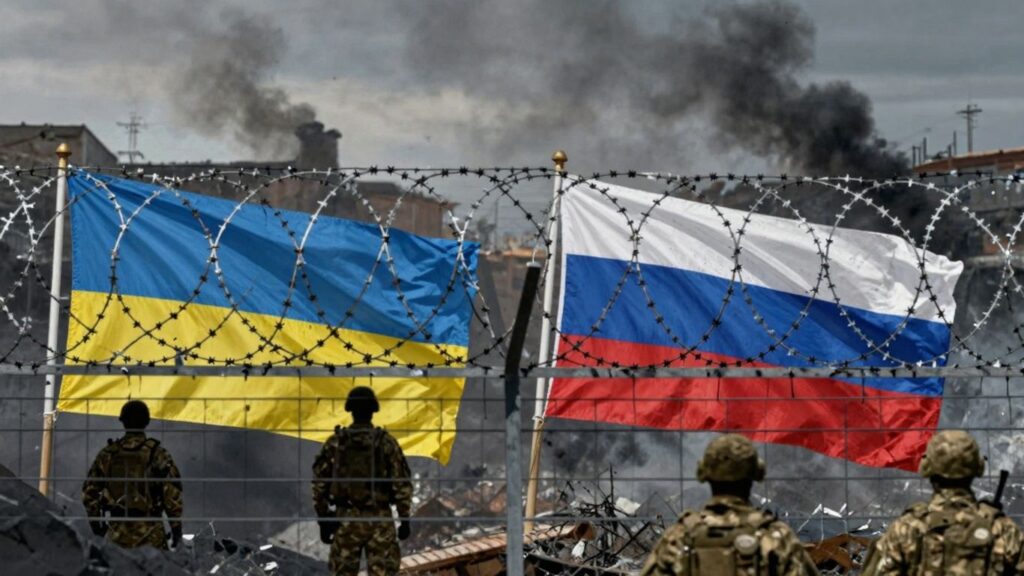
This discussion explores the complex situation surrounding the conflict in Ukraine, touching on differing perspectives regarding security agreements and the reasons behind the ongoing war. It highlights the tension between national aspirations and the security concerns of neighboring countries.
Key Takeaways
- The principle of indivisible security, where one nation’s security shouldn’t come at the expense of another’s, has been a point of contention.
- Agreements made in the past, particularly concerning European security, seem to be overlooked in the current climate.
- There’s a noticeable lack of discussion in Europe about Russia’s potential security worries.
- The narrative often focuses solely on Ukraine as a victim needing support, with the war’s cause attributed to Russian imperial ambitions.
Security Agreements and Indivisible Security
The conversation brings up the idea that countries should be allowed to make their own choices. However, from the Russian perspective, there’s a strong emphasis on past agreements about a Europe based on indivisible security. The argument is that expanding one’s own security shouldn’t negatively impact others. This concept was also part of separate agreements between the EU and Russia, especially from 2005, which aimed for shared security and harmonized integration efforts in their common neighborhood.
The Aftermath of War and Shifting Perspectives
Following a major conflict, the willingness to consider an opponent’s security concerns often diminishes significantly. Listening to the current rhetoric in Europe, there’s a distinct absence of any discussion about what Russia might be worried about. The focus is almost entirely on Ukraine, portraying it as a victim that requires substantial military aid. The prevailing view presented is that the war started solely because Russia desired to build an empire.


Responses