Why Trump Wants Regime Change in Venezuela: A Deep Dive

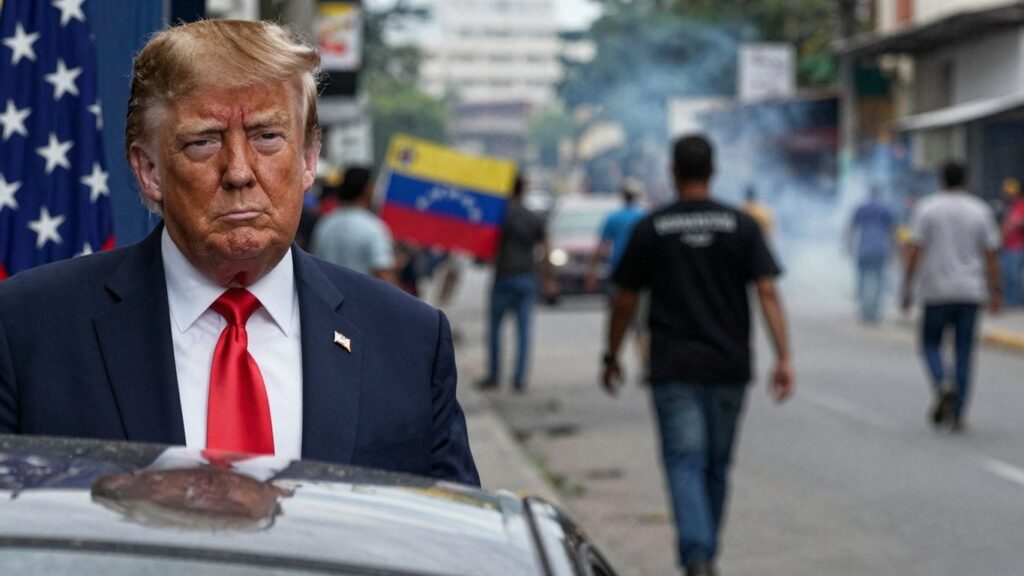
This discussion explores the complex reasons behind the Trump administration’s aggressive stance on Venezuela, touching on international relations, military actions, and political motivations. It questions the justification for US actions and examines the broader implications for global politics.
Key Takeaways
- The US is pursuing regime change in Venezuela through a combination of sanctions, military threats, and direct action, aiming for internal collapse.
- This strategy is driven by a desire to eliminate a "bad example" of a state with policies redistributing wealth, and to gain access to Venezuela’s vast oil and mineral resources.
- The administration’s actions, including deadly strikes on boats and pardoning a convicted drug trafficker, highlight a pattern of lawlessness and cynicism.
- Marco Rubio’s agenda appears to be a significant influence on US policy towards Venezuela.
The Russia-Ukraine Peace Talks and US Involvement
A recent five-hour meeting between Russian President Putin and Donald Trump’s former business partner and son-in-law, Jared Kushner, in Moscow has yielded some interesting results. One immediate outcome was the cancellation of a planned meeting between Ukrainian President Zelensky, Steve Wicker, and Kushner. Instead, Wicker and Kushner returned to the US. While the exact reasons are speculative, it suggests that the initial 28-point peace plan, rumored to be a Russian document, might not meet Russia’s minimum requirements. Issues like the size of the Ukrainian army and international recognition of territories claimed by Russia remain sticking points. Russia seems to be taking a firm stance, especially since Ukraine reportedly walked away from a more favorable peace deal three years ago. This indicates that despite talk of concessions, Russia and the US are still far apart on key issues.
Putin’s Stance on Europe and Military Readiness
President Putin’s recent comments, made before meeting with Wicker and Kushner, were notably defiant, warm, and self-confident. He questioned whether Europe truly wants to confront Russia, stating that while Russia isn’t planning to go to war, it is ready if Europe initiates one. Putin suggested such a conflict would be over quickly, contrasting it with the "surgical" and careful approach in Ukraine. This confidence seems to stem from a perception that European leaders have made themselves irrelevant by insisting on no compromise with Russia and encouraging Ukraine to fight a war it cannot win. Europe’s plans to fund the proxy war by seizing frozen Russian assets have also hit roadblocks, with Belgium, where most assets are held, refusing. European states are also struggling to come up with funds for new initiatives. Putin appears to be mocking Europe’s uncompromising stance, its increased dependence on the US, and its military spending at the expense of social programs, which is causing unrest.
The US Approach to Venezuela: Regime Change and Military Force
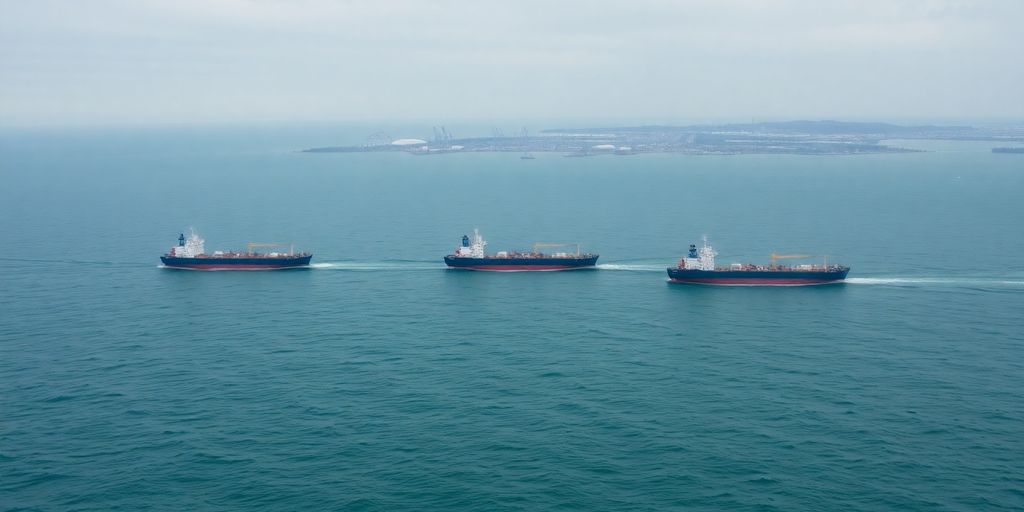
The discussion then shifts to Venezuela, where US policy appears to be driven by a desire for regime change. The justification for killing 81 boat people in the Caribbean, 1500 miles from the US, is questioned. The only apparent basis is to satisfy those in Washington who "revel and enjoy killing people." Even if the people on the boats were involved in drug running, the US has no right to kill them. This action is seen as part of a declaration of lawlessness, where the US believes it doesn’t have to follow rules. This predates the Trump administration and is part of a broader campaign against the Venezuelan government. The hope is that these strikes, showing a willingness to use force and kill people randomly, will lead to the collapse of the Venezuelan government. However, this strategy has not yet panned out.
Trump’s consideration of a "land invasion" or attacking Venezuela from land suggests a desire to overthrow the government. By talking about a land invasion and deploying significant military assets, Trump hopes to cause the Venezuelan government to implode from within, achieving regime change without deploying troops. This aligns with his political identity of being against "endless wars." His administration initially relied on crippling sanctions to destroy Venezuela’s economy. Now, they are escalating by sending military assets, killing people at sea, and issuing threats, all in hopes of a collapse. However, a significant portion of the Venezuelan population remains loyal to the government and does not want foreign powers dictating their leadership, leading to a loyal army around Maduro.
Motivations Behind US Regime Change Efforts in Venezuela
Several factors drive the US push for regime change in Venezuela. Firstly, collapsing a state that has implemented policies like socialism (though still retaining a significant capitalist element) serves as a deterrent. The US has historically opposed states that redistribute wealth to lower classes, fearing it could inspire similar movements in the region. Crushing such "bad examples" and making the economy "scream," as Henry Kissinger once said about Chile, is a long-standing US policy. Secondly, Venezuela’s oil wealth helps prop up governments in Cuba and Nicaragua, which the US also seeks to overthrow. Finally, overthrowing the Venezuelan government would grant access to its vast oil reserves, the largest in the world, as well as other valuable minerals.
While Venezuela could do business with the US by selling its oil, Washington demands more than just profit. They require states like Venezuela to be under US control. If these nations are outside the US hegemonic order or maintain friendly ties with US adversaries like Iran, China, and Russia, they are seen as a threat and must be controlled or overthrown. This has been a consistent US policy, regardless of who is in power. Notably, the Obama administration first declared Venezuela a national security threat, with the implicit message being that any state not under US agency is a threat and must be removed.
The Pete Hegseth Controversy and Shifting Explanations
The discussion turns to Pete Hegseth and the controversial boat strikes. Hegseth has taken responsibility for the fact that after one strike, survivors clinging to wreckage were killed. Admiral Bradley has been blamed, and some Republicans are critical of Hegseth’s shifting explanations and attempts to shift blame. This scandal emerged shortly after Trump pardoned Juan Orlando Hernandez, the former president of Honduras, who was convicted of facilitating drug trafficking into the US. The timing is seen as particularly cynical, given that Trump is waging a regime change campaign in Venezuela under the guise of fighting drug trafficking while simultaneously pardoning a convicted narco-trafficker.
Senator Rand Paul has expressed dissatisfaction with Hegseth’s changing statements. Initially, Secretary Hicks stated he had no knowledge of the second strike, calling it "fake news." The next day, the White House confirmed it happened. This inconsistency raises questions about Hegseth’s competence or honesty. Hegseth’s initial defiant statement clearly indicated he saw everything and knew who was on the boat and what they were doing, sending a strong signal against drug trafficking. However, he later claimed he couldn’t see due to smoke and fire, and that Admiral Bradley made the decision to kill the survivors. This attempt to blame a lower-ranking officer is a classic playbook seen in past scandals, where accountability rarely reaches the top.
Hegseth’s tweet supporting Admiral Bradley, calling him a "true professional" and stating "I stand by him and the combat decisions he has made," is interpreted as an admission that he, Hegseth, made the decision to kill the survivors. The mention of "Franklin the Turtle" as a Christmas wish list item, suggesting children should wish for killing people, is described as "sick."
This administration is noted for its open celebration of corruption and cynicism. Examples include the mocking tweet after the kidnapping of a Palestinian student and the Secretary of Agriculture bragging about rolling back food stamp spending. The administration’s openness in celebrating their "sadism" is highlighted as a distinguishing characteristic.




Responses